Custom Shades & Motorized Patio Shades in Mobile AL
Late afternoon in Midtown can turn a beautiful porch into a room nobody wants to sit in. The sun swings low, the humidity settles in, and by the time the light softens, the mosquitoes have started their shift. In Mobile, the problem is rarely just “too much sun.” It is glare, damp air, salt exposure, sudden rain, and the challenge of making a porch or patio more usable without making the house look like an afterthought. That is why shades mobile AL projects need a more custom approach than a generic patio screen package.
Shade Doctor serves Mobile with motorized patio shades, retractable screens, awnings, pergolas, and other custom exterior shade solutions built around how Gulf Coast properties are actually used. Some projects are about reclaiming a west-facing backyard. Some are about preserving the look of an older home near Midtown or Spring Hill. Some are about helping a restaurant courtyard stay comfortable through long, bright evenings. In all of them, the goal is the same: create outdoor comfort that feels integrated, durable, and easy to live with.
Places Around Mobile Where Shade Pays Off Fast
In Mobile, the biggest difference often shows up in spaces that already have potential. Deep front porches, screened back porches, covered patios near the pool, upper-story balconies, and courtyard dining areas all tend to be one or two design decisions away from becoming everyday spaces instead of occasional ones. The issue is not whether the property has outdoor square footage. The issue is whether that square footage stays comfortable at the exact times people want to use it.
West-facing patios are a prime example. A yard can be pleasant in the morning and punishing from mid-afternoon until sunset. A porch near the bay or a more open lot can catch light, glare, and wind all at once. In older neighborhoods, a beautiful front porch may have the right proportions and the wrong conditions: too bright to relax on, too exposed for privacy, or too bug-heavy after dusk to enjoy for more than ten minutes.
Mobile also has a real mix of property types, and they do not all ask for the same answer. A newer home may have broad, clean patio openings suited to motorized shade systems. An older house may need careful mounting around trim, columns, or unusual spans. A hospitality property may need to protect guest comfort without making the outdoor area feel boxed in. Good shade design starts with the use case, not the catalog.
Mobile Conditions Change What “Good Materials” Really Means
A shade system in Mobile has to live in a very specific kind of environment. Heat is part of it, but so are frequent summer rain, long humid stretches, airborne moisture, and in some areas a little more coastal punishment than inland markets ever see. Homes and businesses closer to bayfront exposure or open breezes need products that can handle more than a nice showroom demo.
That is why corrosion resistance matters here in a practical, not abstract, way. Hardware finishes, fasteners, housing components, and fabric performance all matter more when moisture lingers and salt air can accelerate wear. The same goes for mildew resistance and fabric behavior during rainy months. The best-looking option on day one is not always the smartest option for year three.
That homeowner base matters because most exterior shade projects in Mobile are not impulse buys. They are measured upgrades to homes people intend to improve and enjoy. With more than 84,000 households in the city and a majority of homes owner-occupied, there is a large base of properties where comfort, curb appeal, and long-term durability all matter at the same time.
For buyers, this usually changes the conversation from “What’s the cheapest way to block the sun?” to “What system actually makes sense for this house and this exposure?” On the Gulf Coast, that is the better question.
Porches in Mobile Need Airflow, Not Just Coverage
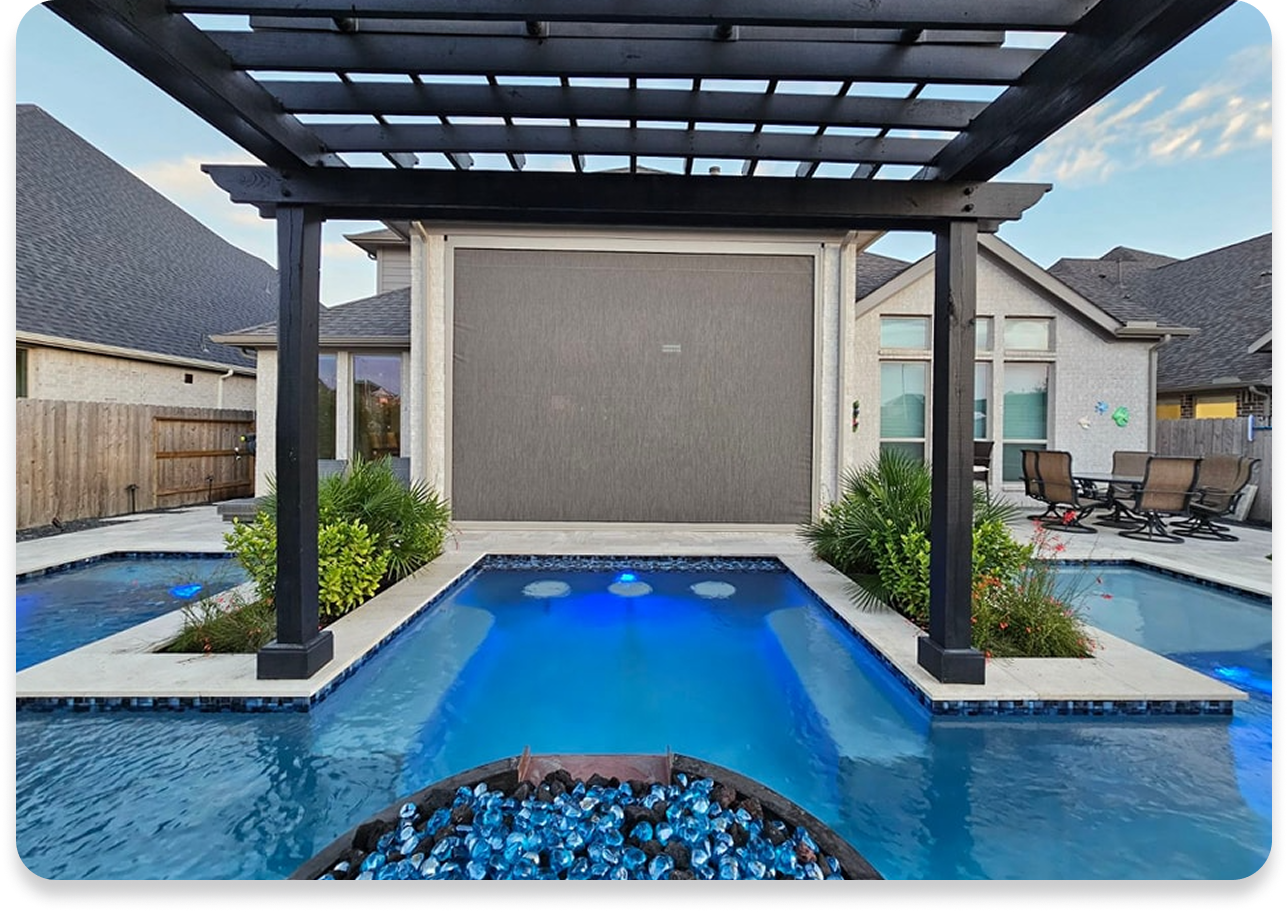
A lot of outdoor spaces in Mobile are already shaded in the architectural sense. They have roofs, overhangs, or classic porch depth. But they still collect glare and trap heat at the edges, especially when the sun drops lower. That is where exterior shades can do something a roof alone cannot: control angle-specific sunlight without fully closing off the space.
This is especially useful for screened porches and deep front porches. Many homeowners do not want to lose the breeze just to gain comfort. They want filtered light, more privacy from the street, and a way to calm down the harshest sun while keeping the porch visually open. A well-chosen mesh and openness level can make that possible. It is less about building a wall and more about tuning the room.
The same logic applies to upper porches and side porches that catch strong afternoon light. In Mobile, some of the best projects are the least flashy ones: the kind where the porch still feels like itself, just dramatically more livable.
Screened evenings and mosquito-heavy hours
Mobile outdoor living does not stop at sunset, which means dusk matters. A patio that works at 3:00 PM but becomes miserable at 7:30 PM is only half-solved. For many properties, especially those near water, tree cover, or lush landscaping, insect pressure becomes part of the design brief.
Retractable screens and shade systems can help make evening use more realistic without turning a porch into a sealed room. Depending on the layout, the solution may be side screens, motorized drop shades, or layered shade around a dining or seating zone. The point is to preserve the reason people love the space in the first place while making it usable during the hours that usually chase everyone indoors.
Older Homes in Mobile Rarely Accept Off-the-Shelf Answers
One of the most important local realities is age. Mobile has a lot of older housing stock, and older homes tend to come with charm, quirks, and dimensions that do not cooperate with standard packages. Columns may not be perfectly spaced. Openings may be tall, arched, or slightly irregular. Trim details may make mounting tricky. And on historically styled homes, appearance is not a side issue; it is part of the job.
That is why retrofit experience matters. A custom shade system for an older Mobile home may need carefully chosen mounting points, a housing color that recedes instead of shouting, and fabric selections that complement rather than compete with the home’s character. The right installation should feel like it belongs there.
That distribution is a real clue about how local projects unfold. Nearly two-thirds of the city’s homes were built before 1980. In practical terms, that means a large share of shade installations in Mobile involve adaptation, not just attachment. The installer has to read the structure, respect the architecture, and solve for fit, clearances, and operation at the same time.
For homes in Midtown, Spring Hill, and other older parts of the city, this often becomes a curb-appeal issue too. The best result is usually quiet: a system that disappears when retracted, aligns cleanly with the home, and adds function without making the façade look commercial or improvised.
Historic Districts, HOAs, and Exterior Changes That Need Finesse
Not every Mobile property has total freedom when it comes to exterior additions. Historic areas, design-conscious neighborhoods, and HOA-governed communities may all place real importance on how new elements look from the street. Even when there is no formal barrier, homeowners often want the same thing: better comfort without visual clutter.
That affects more than color. It can influence housing style, cassette size, mount location, drop line, and how visible the system is when not in use. On a historic or architecturally distinctive home, the question is not simply whether a shade can fit. It is whether it can fit gracefully.
This is one reason custom consultation matters so much in this market. A homeowner may need a solution that preserves sightlines from the street, works around decorative trim, or avoids awkward projections on a front porch. A commercial property may need to satisfy brand standards and maintain an inviting sidewalk presence. In both cases, the design has to solve practical problems without creating aesthetic ones.
Product Paths That Make Sense for Mobile Properties
Shade Doctor offers several kinds of exterior shade systems, but in Mobile the best choice usually comes down to exposure, architecture, and how the space is used between afternoon and evening.
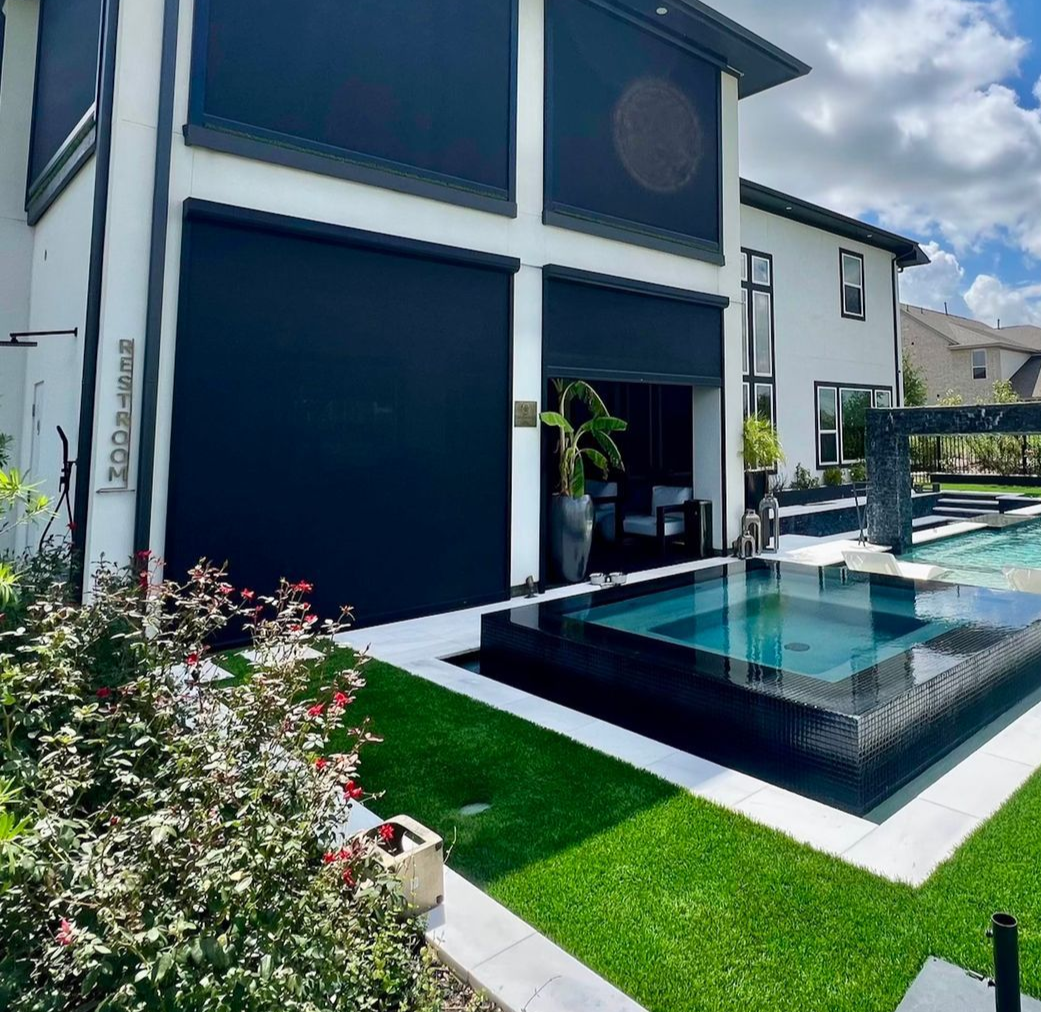
Motorized patio shades are a strong fit for covered patios, outdoor kitchens, poolside seating areas, and porches where the structure already exists but control is missing. They help cut glare, soften heat, add privacy, and make a space more flexible through the day. Because they retract, they also let homeowners preserve openness when conditions are good.
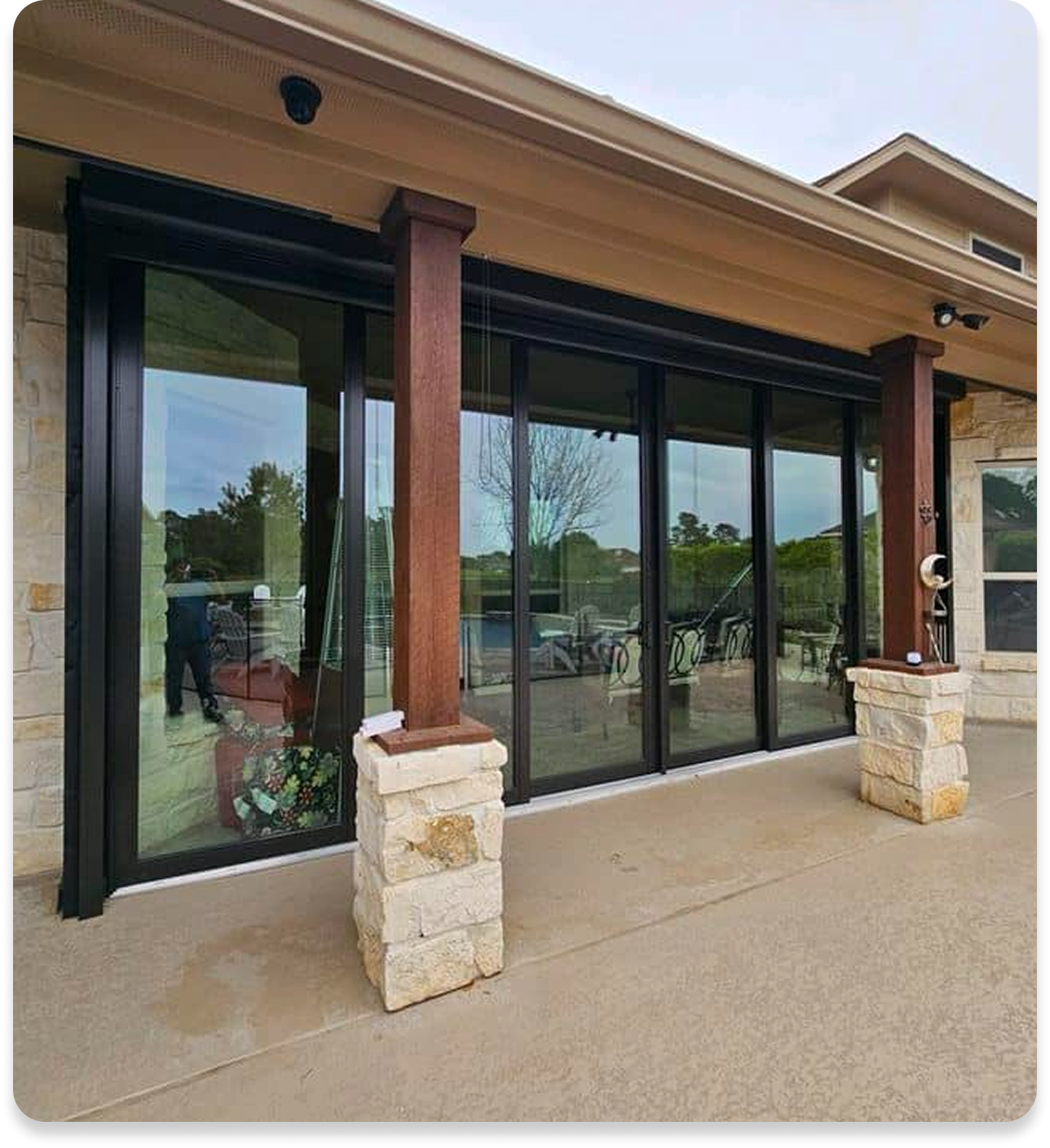
Retractable screens are especially useful where the goal is livability without visual heaviness. They work well on porches, openings adjacent to doors, and spaces that need help with insects, low-angle sun, or comfort at dinner time. For many Mobile homes, this is the category that turns “pretty but underused” into “used constantly.”
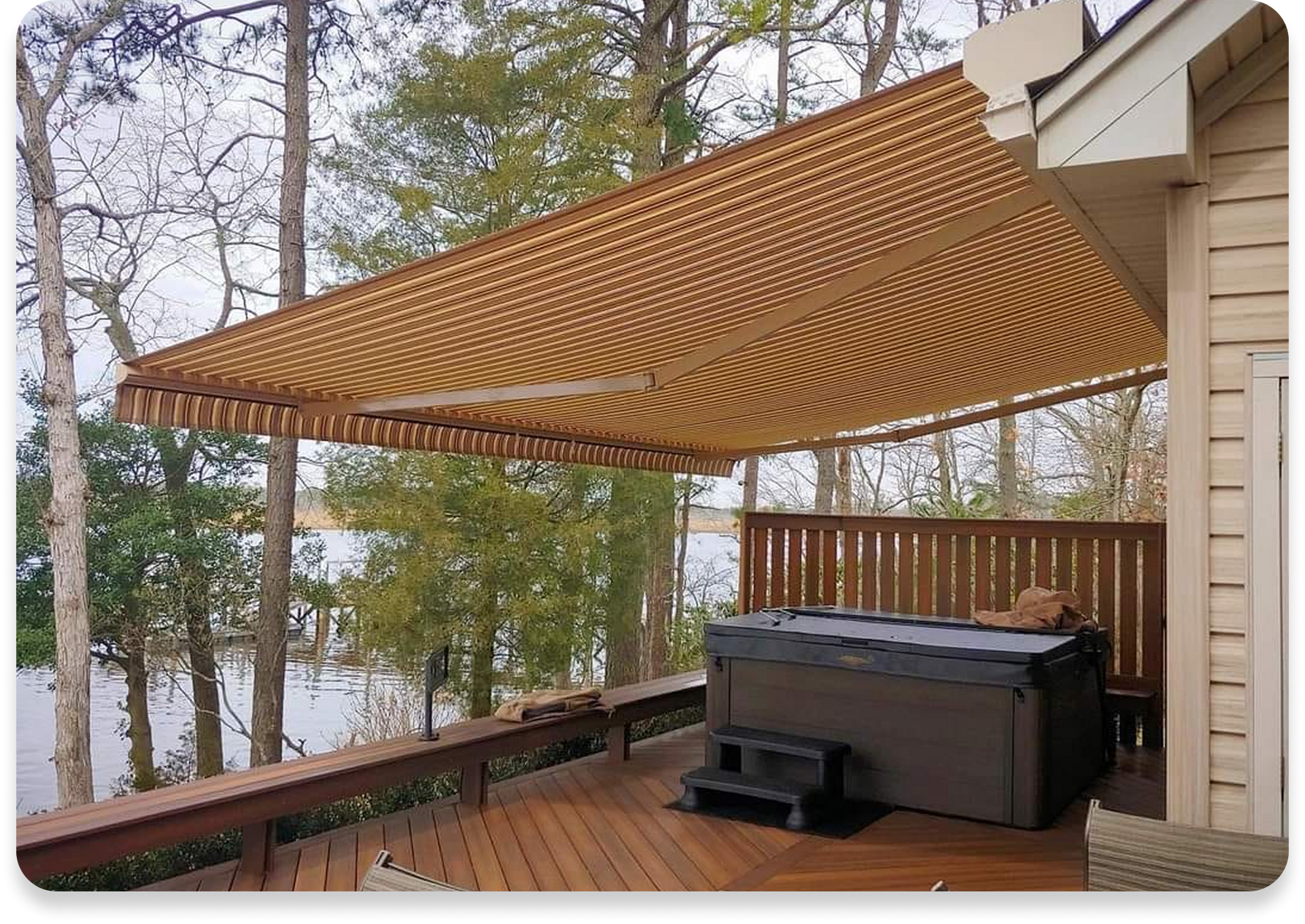
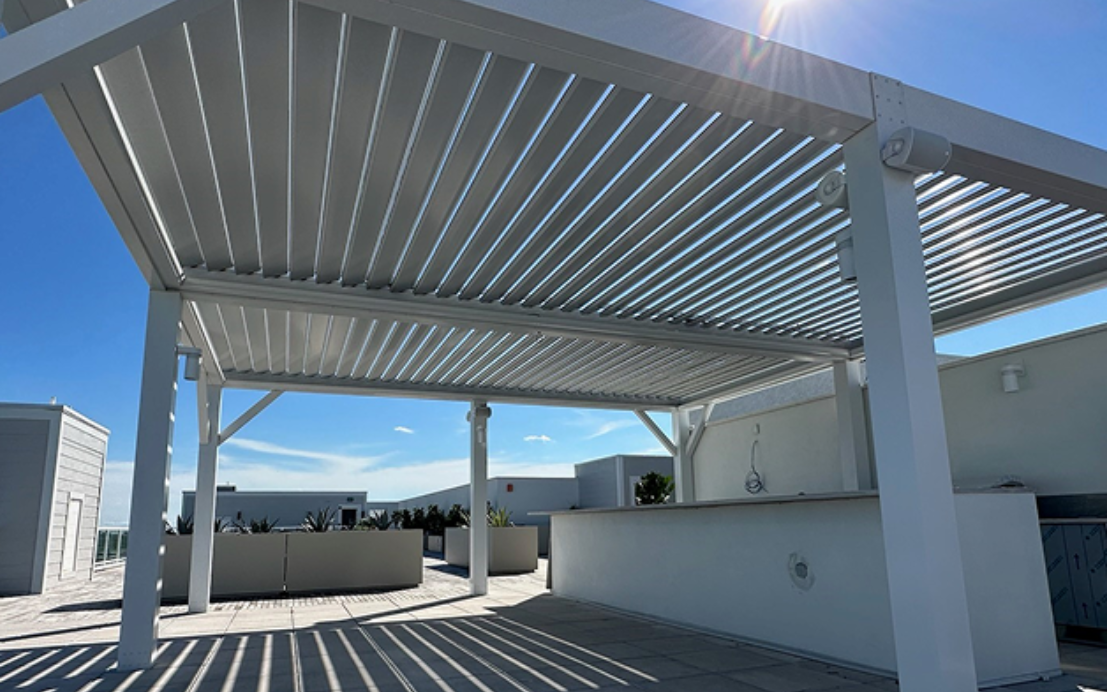
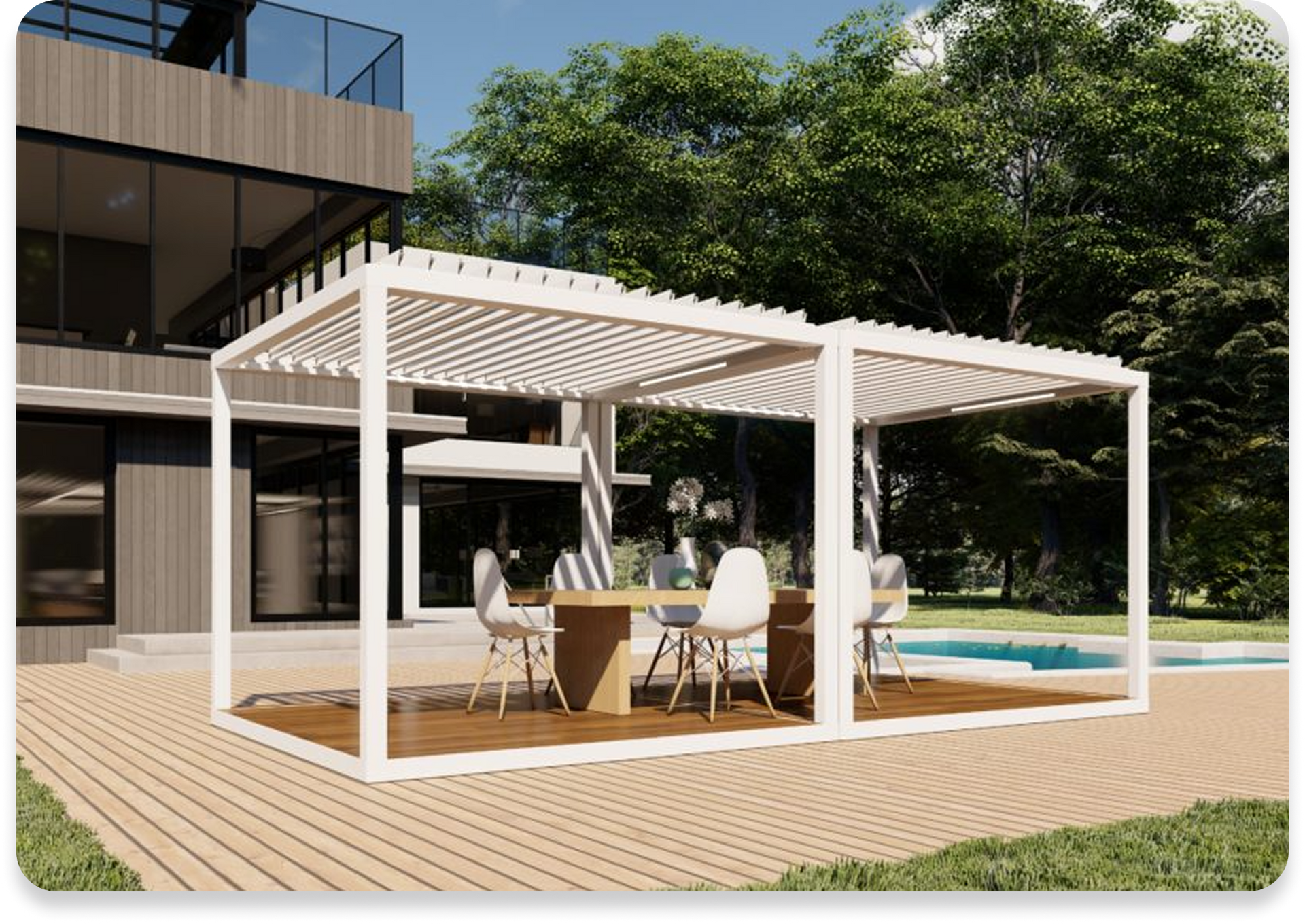
Motorized awnings can be effective on decks, patios, and areas where overhead shade is the missing piece rather than side protection. Pergolas and retractable pergolas are a good fit where a property needs stronger spatial definition or a more architectural outdoor-room feel. Commercial courtyards, restaurant patios, and hospitality spaces often benefit from these options because they combine guest comfort with a more deliberate design presence.
Wind, Rain, and the Gulf Coast “Change of Plans” Problem
Mobile has a way of changing conditions quickly. A calm afternoon can become a windy one. A bright evening can bring a pop-up shower. That does not mean outdoor shade is a bad idea here. It means the system and installation need to respect that reality.
Product selection should account for local weather behavior, including how exposed the property is and whether the shade will be used near open yards, waterfront breezes, or taller structures that funnel wind. Installation details matter too. Fastening, anchoring, sizing, and placement all help determine whether a system performs like a long-term improvement or feels fragile the first time weather turns.
Shade Doctor’s product lineup includes strong warranty language on hardware, fabric and mesh, motors and controls, plus a 105 mph blowout guarantee on qualifying systems. For Mobile buyers, that kind of durability conversation is not a footnote. It is one of the main reasons to avoid bargain-grade exterior products that were never meant for this climate rhythm.
Mobile Commercial Shade Needs a Different Kind of Flexibility
Restaurants, hospitality spaces, private clubs, and event venues in Mobile often depend on outdoor seating that feels inviting before, during, and after the dinner rush. That means shade is not just about comfort. It is about extending usable seating, protecting guest experience, and making a courtyard or patio more dependable across changing conditions.
Commercial projects also tend to have a more layered set of demands. The space has to look polished in daylight, remain functional in the evening, and avoid creating maintenance headaches in a humid coastal environment. A courtyard near downtown may need to preserve its look while reducing glare. A restaurant patio may need retractable coverage so the space can adapt to sun, wind, or changing occupancy. A hospitality property may want a premium outdoor-room feel that supports events as much as everyday service.
That is why commercial shade in Mobile works best when it is approached as an operational tool, not just a decorative add-on. The right system helps the space earn its keep.
How a Mobile Project Usually Comes Together
The process starts with the site itself. What direction does the space face? Is the problem strongest in late afternoon, at dusk, or after rain? Is the property older, highly visible, or close enough to bay exposure that corrosion resistance should drive material choices? Those questions shape the recommendation far more than product labels do.
From there, Shade Doctor develops a custom proposal around the opening sizes, mounting conditions, control preferences, and desired appearance. Some Mobile projects are straightforward. Others involve tall spans, sloped surfaces, unusual transitions, or older structural details that call for more thoughtful planning. The goal is to make the final installation feel easy to use because the hard thinking happened up front.
Installation follows the approved design, with attention to fit, operation, and finish. Afterward, the homeowner or property manager gets a system that is meant to be used regularly, not babied. That matters. Exterior shade should make life simpler, not add a new chore.
Serving Mobile and Nearby Gulf Coast Communities
Shade Doctor serves homeowners and commercial properties in Mobile and nearby communities throughout the area. That includes projects in older neighborhoods, newer suburban developments, bay-adjacent properties, and commercial environments where outdoor comfort is part of the business model.
Because this is a service-area page, the point is not that Shade Doctor is based in Mobile. The point is that the company serves Mobile with products and project planning suited to the city’s conditions: humid air, older porches, strong afternoon sun, mosquito-heavy evenings, and the architectural mix that makes one-size-fits-all recommendations fall apart.
If your porch, patio, courtyard, or outdoor dining area in Mobile feels like it should be better than it is, that instinct is probably right. A well-designed shade system can change the hours you use the space, the months you enjoy it, and the way the property feels from inside and out. The next step is a
consultation that looks at the actual opening, the actual exposure, and the actual way you want to live with it.