How Energy-Efficient Window Coverings Save on Bills
Are you searching for ways to make your house more comfortable and lower your energy bills? Often, the solution lies right in front of you: your windows. With the right energy-efficient window coverings, you can boost your home’s energy efficiency year-round, save money, and create a more inviting space. Whether updating your home’s modern look or reducing winter heat loss, upgrading window treatments is a smart, energy-efficient choice.
Other window treatments, such as soft fabric treatments, shades, and films, are also available and can offer energy efficiency and insulation benefits.
What Are Energy-Efficient Windows?
Energy-efficient windows are designed to minimize heat loss during the winter and reduce heat gain in the summer. These windows usually have two or more layers of glass, special low-emissivity coatings, and inert gas fills between the panes, all of which help to insulate your home more effectively.
By minimizing heat transfer, these windows help maintain a consistent indoor temperature, reducing the workload on your heating and cooling systems. Investing in energy-efficient windows, paired with insulating window coverings, can lead to significant savings on energy bills while enhancing overall comfort and sustainability in your home.
Various Types of Energy-Efficient Window Treatments
With numerous window coverings available, how do you select the best options for your home? Below are some of the top energy-efficient window treatments that both homeowners and energy experts recommend:
Cellular Shades (Honeycomb Shades)
Cellular shades are well-known for providing superior insulation. Their unique design includes air pockets that trap air between layers, helping prevent heat loss in winter and heat gain during summer. Not only do these window shades enhance energy efficiency, but they also provide excellent control over light filtering and privacy. Cellular shades are among the best insulating window shades available and are considered some of the most popular energy-efficient shades on the market.
Roman Shades and Roman Blinds
Roman shades (or roman blinds) combine soft fabric with a layered structure that’s effective at keeping heat inside during colder months. Heavy drapes can enhance the elegance of your room while also helping to lower energy expenses.
Solar Shades
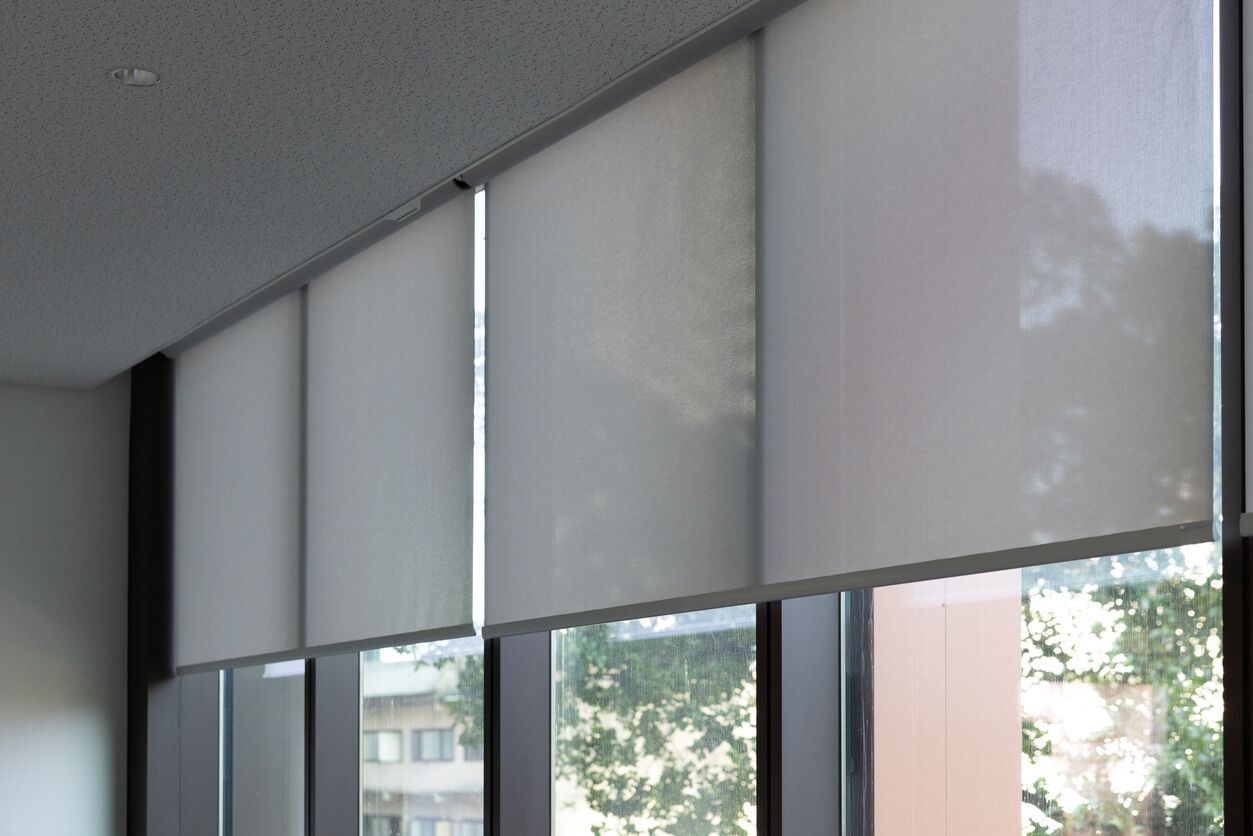
Solar shades are a stylish solution ideal for rooms that receive more sunlight or direct sunlight, such as south-facing windows. These treatments reduce glare and the fading that can affect your floor, furniture, and wood trim, while still allowing plenty of natural light to flow into your space. As an energy-efficient shade, solar shades are an excellent option for reducing heat gain and enhancing home comfort.
Roller Shades
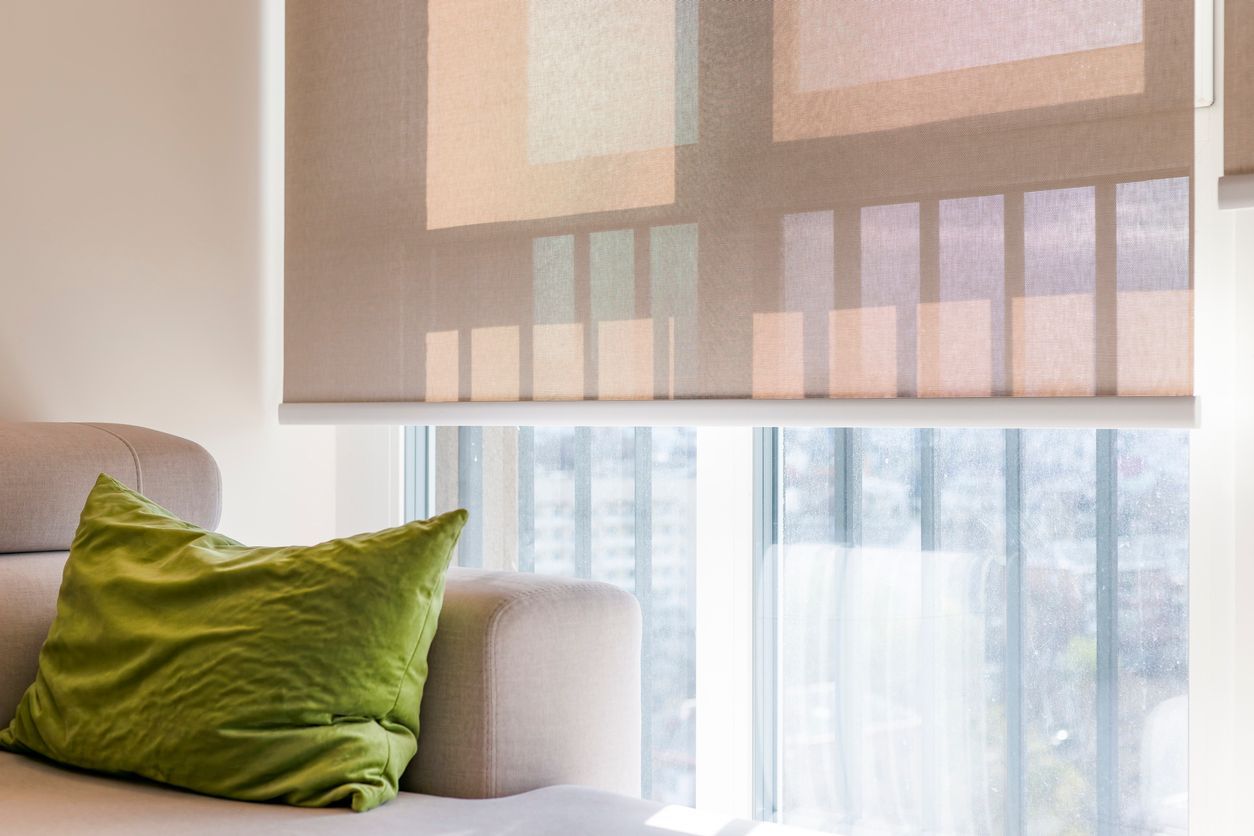
For those seeking a modern touch and ease of operation, roller shades are a popular choice. They come in various fabric densities, from light filtering to room darkening, to suit each room’s specific needs.
Curtains and Drapes
Curtains and drapes remain classic, effective window treatments, especially when made from insulating fabrics and installed from ceiling to floor to block drafts and trap air. Layering curtains with shades or blinds provides insulation in winter and enhances control over light and temperature throughout the year.
Shutters (Interior & Exterior)
Shutters are a time-tested choice for providing insulation and controlling visibility. Interior shutters, including Venetian blinds and exterior shutters, offer flexible sunlight control, reduce energy loss, and add a modern, sleek look.
Venetian Blinds
Venetian blinds give you granular control over the amount of sunlight and visibility through your windows. While not as insulating as some options, pairing blinds with draperies can enhance energy efficiency and effectively block light.
How Window Coverings Reduce Energy Loss
The secret to energy-efficient window coverings lies in their materials and construction:
Insulation Against Heat Transfer
Effective window coverings create a barrier that traps air, reducing heat transfer between the inside and outside of your home. This helps maintain a comfortable indoor temperature throughout the year.
Blocking Solar Heat Gain
Certain window treatments are designed to block or reflect the sun’s rays, preventing excessive heat from entering your home during warmer months. This reduces cooling costs and keeps your living space more comfortable.
Reducing Drafts
Well-fitted window coverings help seal gaps around windows, minimizing cold drafts in winter and hot air infiltration in summer. This enhances energy efficiency and improves overall comfort.
UV Protection
Many energy-efficient window treatments offer UV protection, shielding your furniture, flooring, and wood trim from harmful sun damage. This helps preserve your home’s interior and reduces fading.
Energy Cost Savings
By improving insulation and controlling heat flow, energy-efficient window coverings can significantly lower your heating and cooling bills. Investing in the right treatments pays off through long-term energy savings.
How to Select the Right Window Coverings For Your Home?
Choose the perfect energy-efficient window coverings for your home by considering several key factors that maximize comfort, style, and energy savings. Here are some important points to guide your selection process:
- Assess Your Climate and Seasonal Needs. Consider whether you require more insulation for cold winters, heat-blocking measures for hot summers, or a balance of both throughout the year.
- Identify the Direction Your Windows Face. South-facing windows may benefit from solar shades to reduce heat gain, while north-facing windows might prioritize insulation to keep cold inside.
- Consider the Style and Décor of Your Space. Select window treatments that complement your home's modern and sleek look or traditional aesthetic without compromising energy efficiency.
- Evaluate the Level of Light Control Required. Determine whether you prefer light filtering, room darkening, or blackout options, depending on the room's function, such as a bedroom or media room.
- Look for Window Coverings With a High Insulation Value. Cellular shades with multiple air pockets or layered fabrics, such as Roman shades, offer the best insulation by trapping hot or cold air inside.
- Measure Your Windows Accurately. Proper sizing fits snugly, maximizing insulation and minimizing gaps that cause energy loss.
- Factor in Budget and Long-Term Savings. While some energy-efficient window coverings may have a higher upfront cost, they often pay for themselves through reduced energy bills.
- Explore Additional Features. Some window treatments offer UV protection, noise reduction, or smart automation to enhance comfort and energy efficiency further.
Upgrade Your Windows, Upgrade Your Life: Call ShadeDocs Now!
Making the switch to energy-efficient window coverings is one of the simplest and most effective ways to save energy and lower your monthly energy bills. Energy-efficient window treatments improve comfort, enhance your home’s style, minimize heat loss or gain, and help lower utility bills over time.
The experts at ShadeDocs are here to help you make the best choice for your needs and budget. Our expert team helps you choose and professionally install stylish, high-quality energy-efficient window coverings tailored to your home’s needs.
Don’t let another season go by with uncomfortable drafts or skyrocketing energy bills. Reach out to us today or book a consultation to learn how we can help improve your home's comfort and energy efficiency.