Outdoor Solar Shades: Choosing the Right Openness for Your Patio View
When shopping for outdoor solar shades for your patio, deck, or pergola, one of the most important decisions you'll make is selecting the right openness factor. This choice directly impacts your outdoor comfort, view, privacy, and UV protection. Understanding the outdoor solar shade openness comparison can help you create the perfect balance for your space.
What Is Solar Shade Openness?
Solar shade openness refers to how tightly the fabric is woven, measured as a percentage. This percentage indicates how much light can pass through the material. For example, a 5% openness fabric allows 5% of light through while blocking 95% of UV rays and heat.
The openness factor affects three key elements:
- UV protection and heat rejection – Lower openness blocks more sun
- Outward visibility – Higher openness provides clearer views
- Daytime privacy – Lower openness offers more seclusion
When comparing outdoor solar shades, the openness percentage is one of the most critical specifications to understand because it determines how your space will look and feel throughout the day.
Understanding Different Openness Percentages
Outdoor solar shade fabrics typically range from 1% to 14% openness. Here's how each level performs in real-world applications.
1% to 3% Openness: Maximum UV Protection
Tightly woven fabrics in this range block 97% to 99% of UV rays and incoming heat. These shades are ideal for patios with intense sun exposure or where you want significant privacy from neighbors.
While these fabrics provide excellent sun control, they do reduce your view of the outdoors. The tighter weave creates a more filtered, dimmed outlook. This trade-off works well for outdoor dining areas or spaces where shade and comfort take priority over maintaining a clear sightline.
5% Openness: The Balanced Choice
A 5% openness factor is one of the most popular options for outdoor solar shades. It blocks 95% of UV rays while still maintaining a reasonable view of your surroundings. This middle-ground option works well for covered patios, screened porches, and pergolas where you want both protection and visibility.
Many homeowners choose 5% openness for outdoor living spaces because it reduces glare on furniture and outdoor screens without completely darkening the area. You'll still see your backyard, garden, or landscape, just with softer, filtered light.
7% to 10% Openness: Enhanced Visibility
If maintaining your outdoor view is a priority, fabrics with 7% to 10% openness offer improved clarity while still blocking 90% to 93% of harmful UV rays. These options work best for covered patios or pergolas where you want to enjoy the scenery without harsh sunlight.
Keep in mind that higher openness also means less daytime privacy. If your patio faces a neighbor's yard or a busy street, you may prefer a lower openness factor.
10% to 14% Openness: Maximum View
At the higher end of the openness spectrum, 10% to 14% fabrics prioritize visibility and natural light. These shades still provide meaningful glare reduction and UV protection (blocking 86% to 90% of rays), but they won't create the same level of seclusion or temperature control as tighter weaves.
This range works well for shaded outdoor areas that don't receive direct, intense sunlight or for homeowners who value an unobstructed view above all else.
How Fabric Color Affects Performance
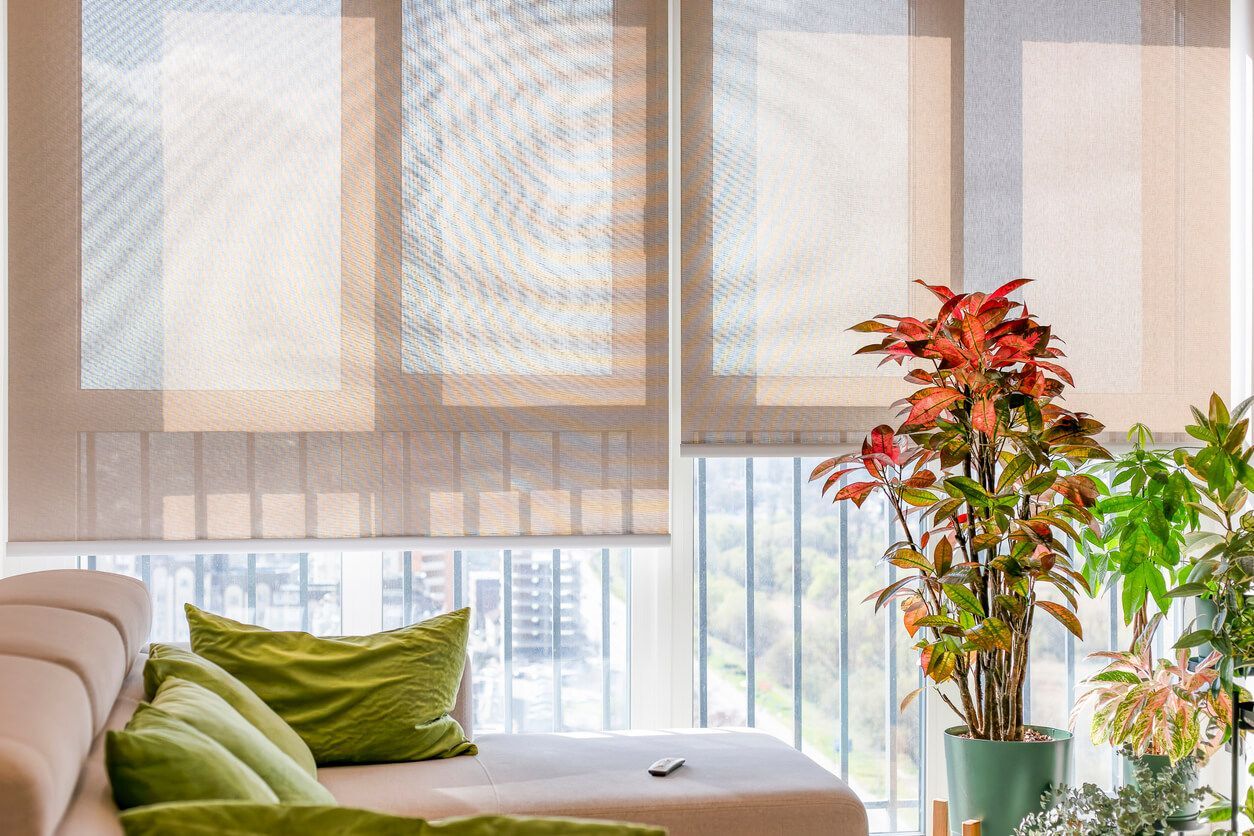
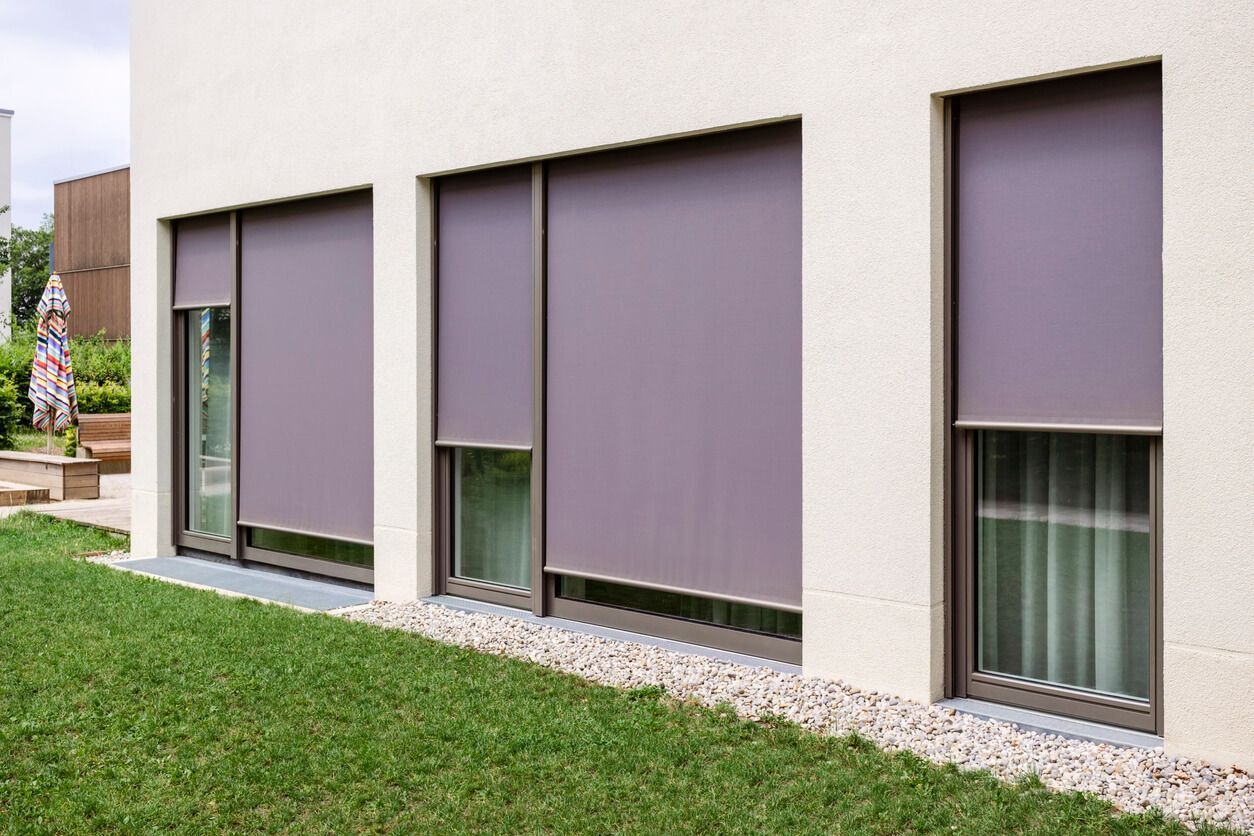
The color of your outdoor solar shade fabric also influences how it performs. Darker fabrics, such as black or charcoal, tend to provide better glare control and sharper outward views. Lighter colors like white, beige, or tan reflect more heat and create a brighter atmosphere but may slightly blur your view.
When comparing outdoor solar shade options, consider how the color and openness work together. A dark fabric with 5% openness will offer superior glare control compared to a light fabric with the same openness.
Choosing the Right Openness for Your Space
Selecting the best openness factor depends on how you use your outdoor space and what matters most to you. Here are a few scenarios to guide your decision:
For hot climates or intense sun exposure: Choose 1% to 5% openness to maximize UV protection and heat rejection. Your space will stay cooler and more comfortable, even during peak afternoon sun.
For balanced protection and view: A 5% to 7% openness factor provides a sweet spot for most outdoor living areas. You'll get strong UV protection with a clear enough view to enjoy your surroundings.
For covered patios with existing shade: If your patio already has some natural shade from trees or roof coverage, you can opt for 10% to 14% openness to maintain visibility while reducing glare.
For privacy-conscious homeowners: Stick with 1% to 5% openness if your outdoor space is close to neighbors or visible from the street. These tighter weaves offer better daytime privacy.
Do Outdoor Solar Shades Provide Nighttime Privacy?
One important consideration: outdoor solar shades work differently at night. During the day, the fabric reflects sunlight, making it difficult for people outside to see into your space. However, at night, when your patio lights are on, the effect reverses. Interior lighting can make your space more visible from the outside.
If nighttime privacy is a concern, you may want to pair your motorized outdoor shades with additional lighting control or consider how you position outdoor furniture and features.
Motorized Options for Convenience
Many homeowners choose motorized outdoor solar shades for effortless control. With motorization, you can adjust your shades throughout the day as the sun moves, optimizing comfort and view without manual effort. Motorized systems also allow you to retract your shades completely when you want full openness or lower them when the sun gets too intense.
Making Your Final Decision
When comparing outdoor solar shade openness options, think about your priorities:
- Do you need maximum UV protection and cooling?
- Is maintaining a clear view important?
- How much daytime privacy do you require?
There's no single "best" openness factor for every outdoor space. The right choice depends on your climate, how you use your patio, and what balance of comfort, view, and privacy works for your lifestyle. By understanding how different openness percentages perform, you can select outdoor solar shades that enhance your outdoor living experience for years to come.