Motorized Patio Shades Cost in Texas: What Homeowners Should Expect
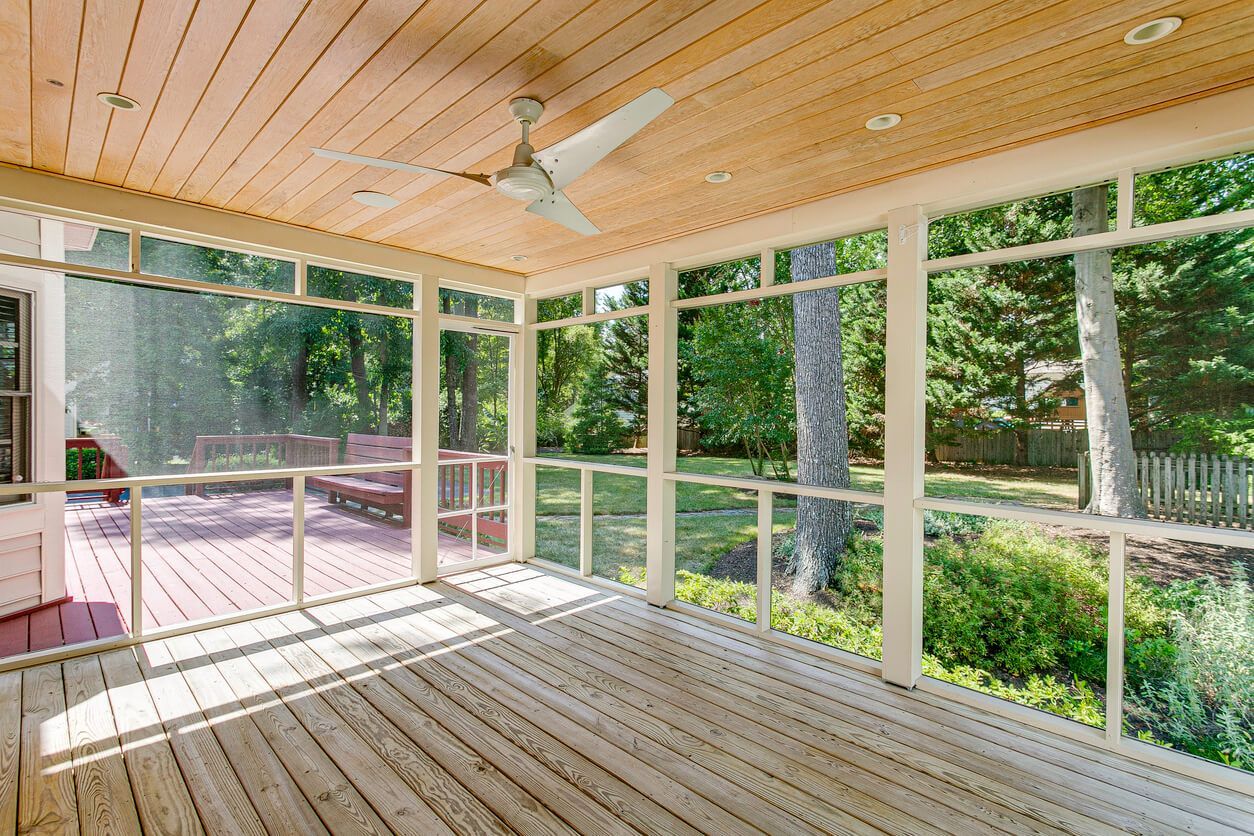
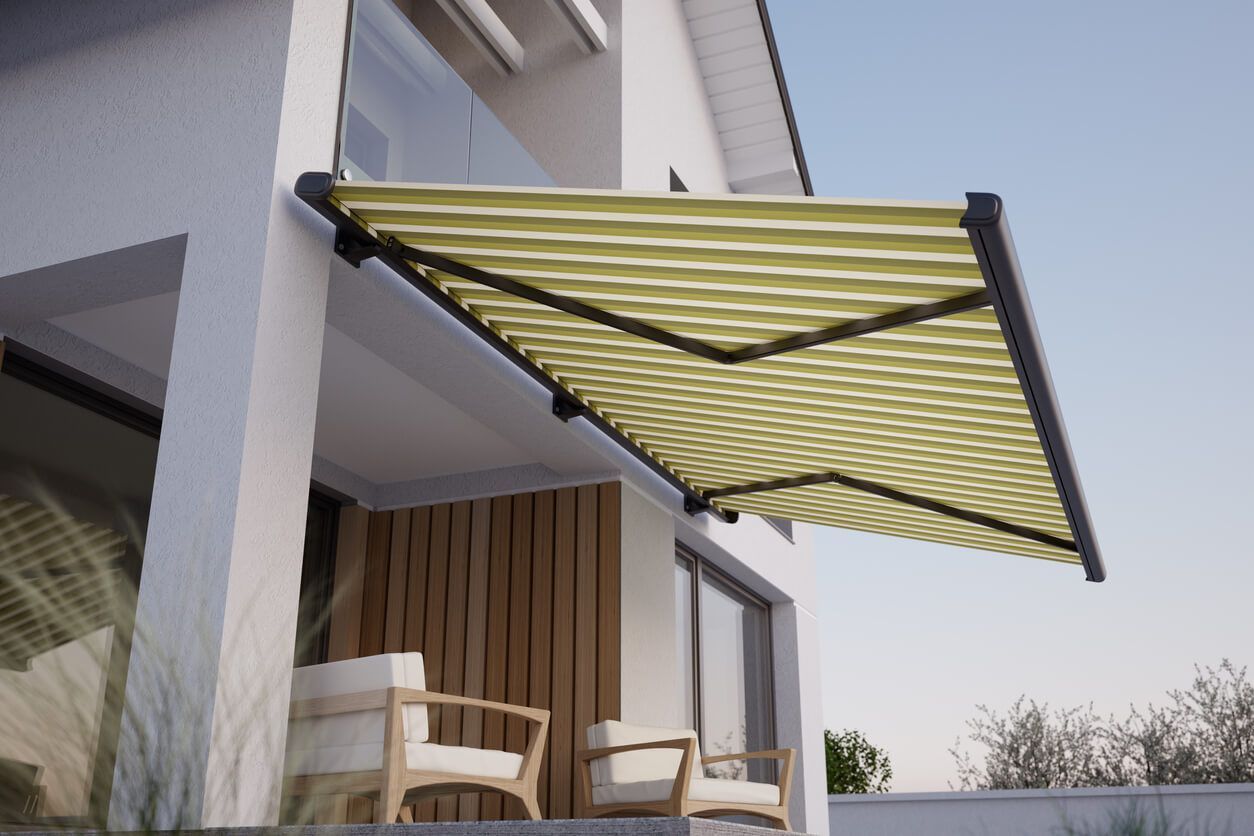
Motorized outdoor shades transform how you use your patio, deck, or outdoor living space. They provide instant sun control, insect protection, and climate comfort at the touch of a button. But before investing in these convenience-enhancing systems, most Texas homeowners want to understand one thing: how much do motorized patio shades cost?
The answer depends on several factors, from the size of your patio openings to the specific features you choose. This guide breaks down motorized patio shade pricing so you know what to expect when budgeting for your outdoor living upgrade.
Typical Price Ranges for Motorized Patio Shades
In Texas, motorized patio shade costs typically range from $2,000 to $5,000 per opening for professionally installed systems. This price includes the shade itself, the motorization system, mounting hardware, and professional installation.
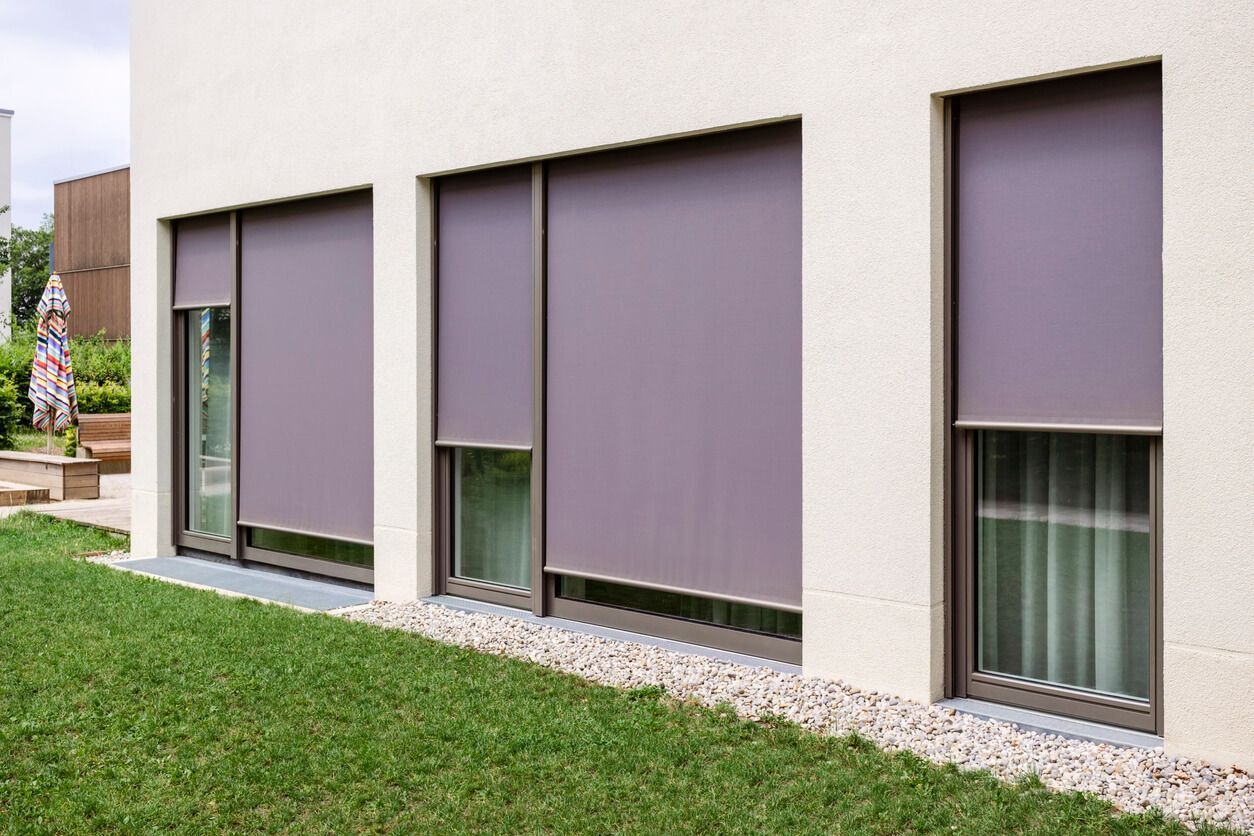
A "single opening" refers to one area where you want shade coverage, such as a patio door opening, one side of a pergola, or a section of your deck. Smaller openings measuring around 8 feet wide by 10 feet tall will fall toward the lower end of this range, while larger openings approaching 20 feet wide or with greater height will cost more.
For homeowners looking to fully enclose a patio with shades on multiple sides, multiply the per-opening cost by the number of openings you need to cover. A four-sided patio enclosure could range from $8,000 to $20,000 or more depending on size and specifications.
Factors That Affect Motorized Patio Shade Costs
Understanding what drives pricing helps you make informed decisions about which features matter most for your outdoor space.
Opening Size and Coverage Area
Size is the primary cost factor. Motorized patio shades are custom-manufactured to fit your exact opening dimensions. The minimum width for most motorized systems is around 32 inches due to motor size requirements. On the high end, some systems can span up to 22 feet wide with heights reaching 16 feet.
Larger shades require more fabric, heavier-duty motors, and more robust mounting hardware, all of which increase the final price. A 6-foot-wide by 8-foot-tall opening will cost significantly less than a 16-foot-wide by 12-foot-tall opening.
Fabric Type and Openness Factor
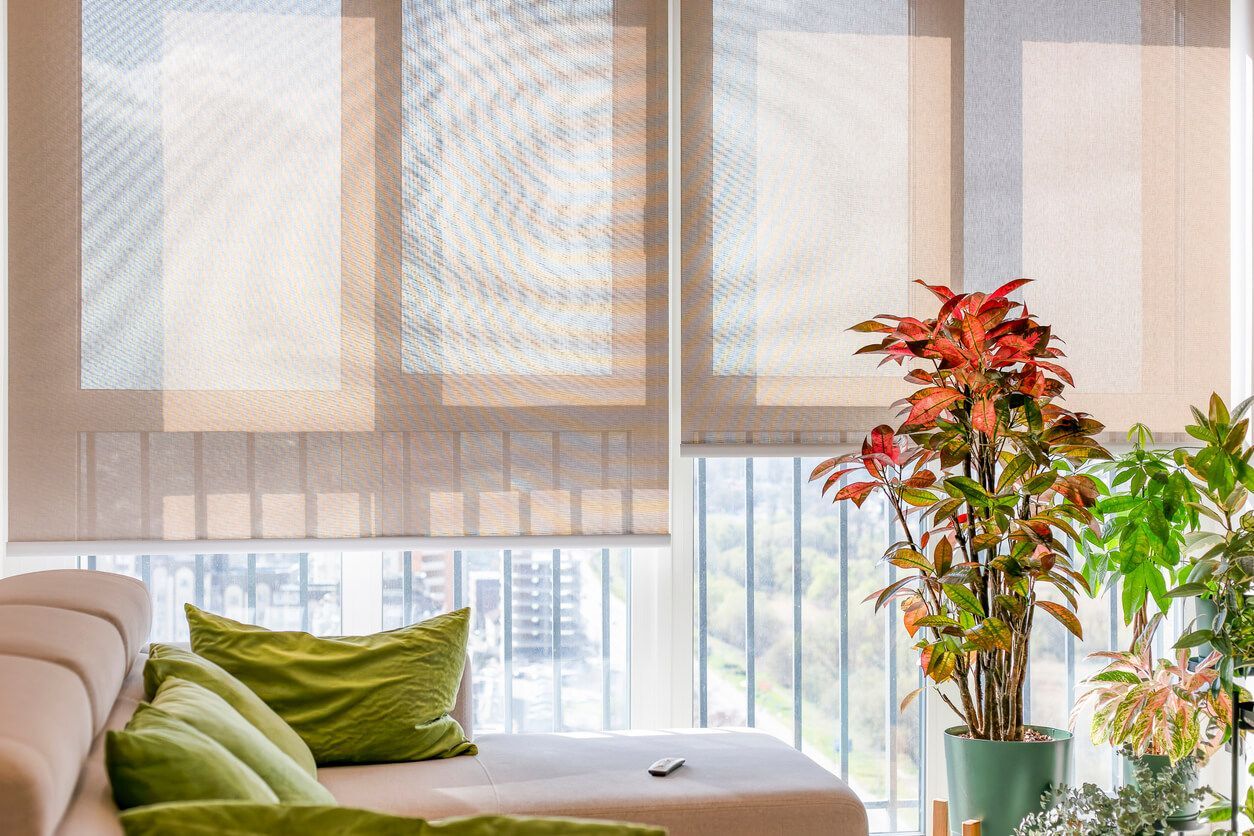
Motorized patio shade fabrics vary in density, UV protection, and functionality. Basic insect screen fabrics that primarily keep bugs out while allowing air and light through cost less than dense solar fabrics that block 90-95% of sunlight and heat.
The fabric openness factor affects both performance and price. Tighter weave fabrics with lower openness percentages (1-5%) offer superior sun blocking but typically cost more than more open weaves (10-14%). Specialty fabrics with enhanced weather resistance, fade protection, or specific color requirements may also carry premium pricing.
Track System Configuration
How the shade fabric is secured on the sides significantly impacts both performance and cost.
Cable-guided systems are the most economical option. These use side cables to guide the fabric as it raises and lowers. While functional, cable systems allow some fabric movement in wind and don't create a fully sealed enclosure.
Zipper track systems offer superior performance. A welded zipper on each fabric edge locks into side tracks, creating a sealed enclosure that keeps insects, pollen, and rain out while preventing fabric movement in wind. Zipper systems cost more than cable guides but deliver better protection and durability.
Magnetic retention systems represent the premium option. These use magnets to lock the fabric into tracks, providing maximum wind resistance. While extremely secure, they're typically the most expensive track option and may be overkill for most residential applications.
Motor Quality and Brand
Most quality motorized patio shades use motors from established manufacturers like Somfy or Alpha. These motors are engineered specifically for outdoor shade applications, with weather-resistant construction and reliable performance.
Premium motor systems come with longer warranties, often 5-7 years, and quieter operation. Budget motors from lesser-known manufacturers may reduce upfront costs but could lead to reliability issues and shorter lifespans. Investing in quality motors typically proves more cost-effective long-term.
Control Options
Basic motorized patio shades include a handheld remote control at no additional cost. For more advanced control, expect to pay extra:
Wall-mounted switches provide convenient control without keeping track of a remote. These hardwired controls add minimal cost.
Smart home integration allows you to control your shades via smartphone apps, voice commands through Alexa or Google Home, or integration with whole-home automation systems like Control4. Smart connectivity typically requires interface devices like Bond Bridge or specialized controllers, adding $200-$500+ to your project cost.
Wind and sun sensors automatically retract your shades when wind speeds become dangerous or lower them when the sun reaches certain angles. These automated sensors provide protection and convenience but increase system costs.
Mounting Surface and Installation Complexity
The type of surface where your shades mount affects installation costs. Straightforward installations on wood surfaces or simple brick walls cost less than complex installations requiring custom trim work, structural modifications, or working with challenging materials.
Recessed installations, where tracks are built into soffits or columns during construction, create a cleaner look but involve more labor and coordination. Retrofit installations on existing patios with surface-mounted tracks are more common and generally less expensive.
Additional Cost Considerations
Beyond the base shade system, several other factors can influence your total project investment.
Number of Shades Needed
If you're looking to create a fully enclosed outdoor room or protect your patio from sun on multiple sides, you'll need multiple shades. While the per-shade price might decrease slightly with multi-shade projects due to installation efficiencies, you're still multiplying the base cost.
Consider which sides of your patio genuinely need shading. If your primary goal is blocking afternoon sun from the west, you may only need one or two shades rather than a full enclosure. If insect and pollen protection matter more, you'll want coverage on all open sides.
Trim Work and Structural Modifications
Standard installations assume you have appropriate mounting surfaces and structure. If your patio requires additional framing, trim carpentry, or modifications to accommodate the shades, expect installation costs to increase.
Some patios need additional columns or posts added to support shade systems. Others might require fascia boards or mounting blocks installed before the shades themselves. Discuss these potential requirements during your consultation so you receive accurate pricing.
Electrical Requirements
Motorized patio shades require power. Each shade motor plugs into a standard 110V outlet, drawing minimal current, typically around 1.5 amps when operating. If your patio lacks sufficient outdoor outlets in the right locations, you'll need to hire an electrician to add them.
Electrical work costs vary based on local rates and the complexity of getting power to your shade locations. Budget $150-$400 per outlet depending on the distance from your electrical panel and any challenges running wiring.
Fabric Color and Customization
Most shade systems offer multiple standard frame colors and several standard fabric options included in base pricing. If you want custom color-matching for frames, expect to pay a premium. Powder coating allows for custom colors but typically requires minimum order quantities and longer lead times.
Similarly, specialized fabric colors, patterns, or materials beyond standard offerings will increase costs. Discuss color options during your consultation to understand what's included versus what carries upcharges.
Professional Installation vs. DIY
While DIY motorized patio shade kits exist, professional installation is strongly recommended for several reasons.
Motorized shades require precise measurements, often within 1/8 inch tolerance. Measuring errors result in gaps that compromise insect protection and fabric performance. Professional installers have the experience to measure accurately and account for building irregularities that affect shade operation.
Installation involves working at heights, drilling into home exterior walls, and correctly mounting heavy hardware. Improper installation can damage your home, create water intrusion points, or result in shade failure.
Most importantly, manufacturer warranties often require professional installation to remain valid. If a DIY installation goes wrong, you may void your warranty coverage on both the fabric and motor systems.
Professional installation costs are typically included in the $2,000-$5,000 per opening price range quoted earlier. Attempting DIY to save installation costs often proves penny-wise and pound-foolish when problems emerge.
Long-Term Value and Return on Investment
When evaluating how much motorized patio shades cost, consider the value they deliver over time.
Extended outdoor season. Motorized shades make your patio usable during times when sun, heat, or insects would otherwise drive you indoors. You're effectively adding usable square footage to your home without the cost of building an addition.
Energy savings. Shades reduce solar heat gain through patio doors and windows, lowering your air conditioning costs during Texas summers. Over years of use, these savings offset a portion of your initial investment.
Furniture protection. Outdoor furniture, cushions, and rugs last significantly longer when protected from constant sun exposure. Motorized shades reduce UV damage and fading, extending the life of your outdoor furnishings.
Home value. Quality outdoor living spaces appeal to buyers. Motorized patio shades demonstrate that a home has been upgraded and maintained, potentially increasing resale value.
Convenience and enjoyment. The primary return on investment is simply enjoying your outdoor space more often and more comfortably. That quality-of-life improvement has value beyond dollars.
Getting Accurate Pricing for Your Project
Every patio is different. While this guide provides typical cost ranges, the only way to know exactly how much motorized patio shades will cost for your specific situation is to schedule an on-site consultation with a professional installer.
During a consultation, expect the installer to:
- Measure your patio openings and assess mounting surfaces
- Discuss your goals for the shades (sun control, insect protection, rain blocking, etc.)
- Show fabric samples and explain differences in performance and pricing
- Review control options and recommend appropriate systems
- Provide a detailed quote breaking down costs by shade
Quality installers provide written quotes that clearly specify what's included and what might cost extra. Don't hesitate to ask questions about any line items you don't understand.
Making Your Decision
Motorized patio shades represent a significant investment in your home and outdoor living quality. Understanding the factors that influence pricing helps you make informed decisions about which features deliver the most value for your specific needs.
For most Texas homeowners, budgeting $2,500-$4,000 per opening provides a solid baseline for quality motorized patio shades with zipper tracks, good fabric, and reliable motors. Adjust your budget higher for very large openings, premium features, or complex installations. Adjust lower for smaller openings with simpler configurations.
The convenience, comfort, and extended usability that motorized patio shades provide make them one of the most satisfying home improvements for outdoor living enthusiasts. Now that you understand the cost factors, you're ready to move forward with transforming your Texas patio into the comfortable, protected outdoor retreat you've envisioned.