High-Wind Shade Systems: Engineered for Coastal Durability
Living in a high-wind area doesn't mean you have to give up on creating comfortable outdoor living spaces. From coastal homes facing ocean breezes to properties in the Southwest dealing with persistent gusts, the right wind resistant shade system can transform your patio, deck, or pergola into a usable retreat year-round.
Modern motorized outdoor shade solutions are engineered to withstand challenging wind conditions while delivering the comfort and protection you expect from quality outdoor shading.
Why Wind Resistance Matters for Outdoor Shades
Wind poses the biggest threat to outdoor shade structures. Traditional options like freestanding umbrellas or lightweight canopies struggle in moderate winds, let alone the sustained gusts common in many regions. When wind catches an improperly designed shade system, several problems arise:
Fabric stress and damage. Excessive flapping causes accelerated wear on fabrics and stitching. What should last years may require replacement in a single season.
Hardware failure. Wind pressure stresses mounting points, brackets, and roller mechanisms. Over time, this can lead to structural failure or complete system collapse.
Safety concerns. An unstable shade system in high winds creates hazards for people, furniture, and property beneath it.
Choosing a wind resistant shade system eliminates these concerns. Purpose-built outdoor shading is designed to either withstand sustained winds when deployed or retract completely when conditions become too severe.
How Motorized Outdoor Shades Handle Wind
The key advantage of motorized retractable outdoor shades and awnings is their ability to adapt to changing wind conditions. Unlike permanent structures that must endure every weather event, retractable systems give you control.
When winds pick up, you can retract your shades with the push of a button or through automated sensors. The fabric rolls securely into a protective housing mounted to your home or structure, completely removing it from wind exposure. Once conditions calm, you deploy the shade again for instant outdoor comfort.
This flexibility makes motorized shades ideal for areas with variable wind patterns. You're not locked into leaving your shade up during a storm or taking it down manually before every weather event.
Design Features That Improve Wind Resistance
Not all outdoor shade systems are created equal when it comes to wind performance. Several engineering features distinguish professional-grade motorized shades from residential products.
Robust Mounting Systems
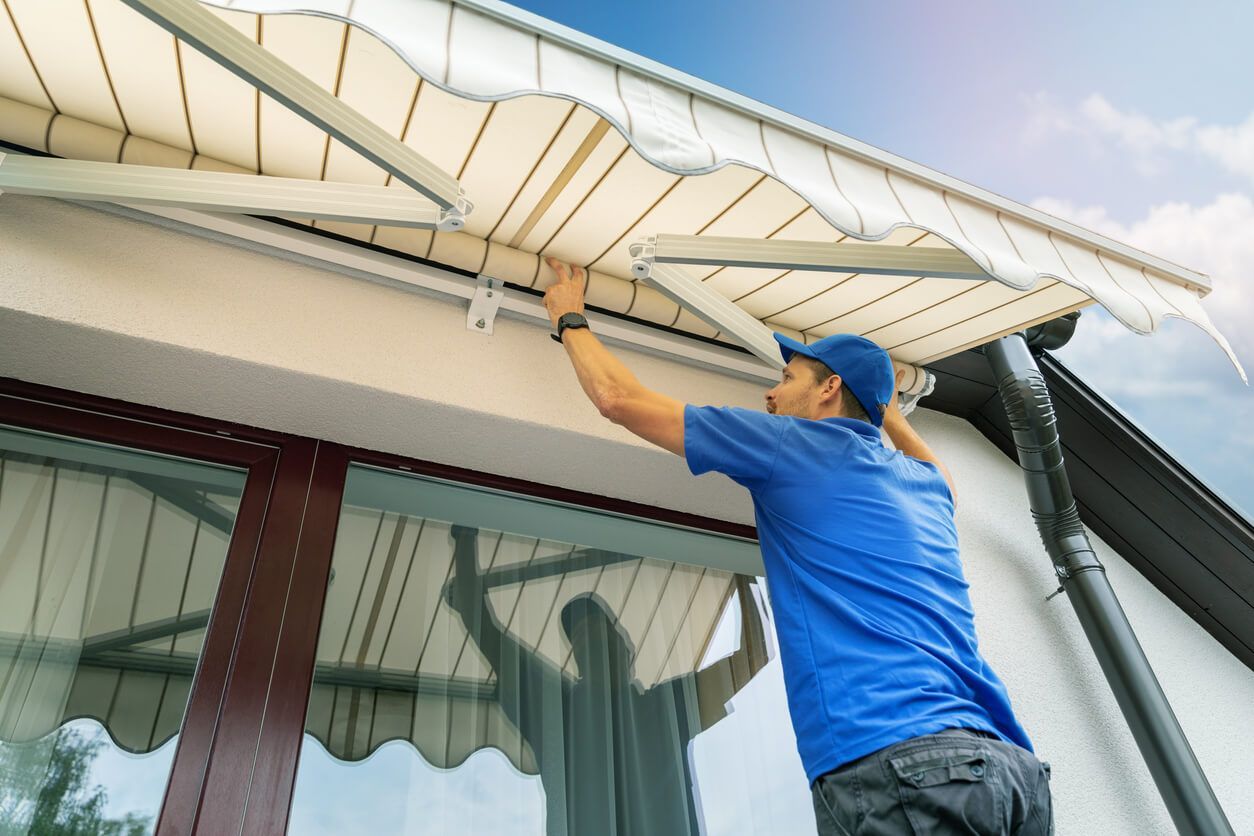
Wind resistant shade installations start with proper mounting. Heavy-duty brackets secure the shade housing directly to your home's structure, typically attaching to wall studs or roof beams. This creates a solid anchor point that distributes wind loads across multiple connection points rather than stressing a single location.
The mounting system must also support the weight of the fabric, roller mechanism, and motor while resisting the lateral forces wind creates when the shade is deployed.
Reinforced Fabrics
High-performance outdoor shade fabrics combine UV resistance, weather resistance, and structural strength. Quality materials maintain their integrity even when subjected to wind stress, reducing the flapping that accelerates wear.
Some outdoor shade fabrics are specifically engineered with tighter weaves or reinforced edges to handle sustained tension without tearing or stretching. These materials cost more initially but deliver superior longevity in challenging environments. To learn more about how different fabric openness ratings affect performance, see our guide on choosing the right solar shade openness for your patio.
Guide Rails and Track Systems
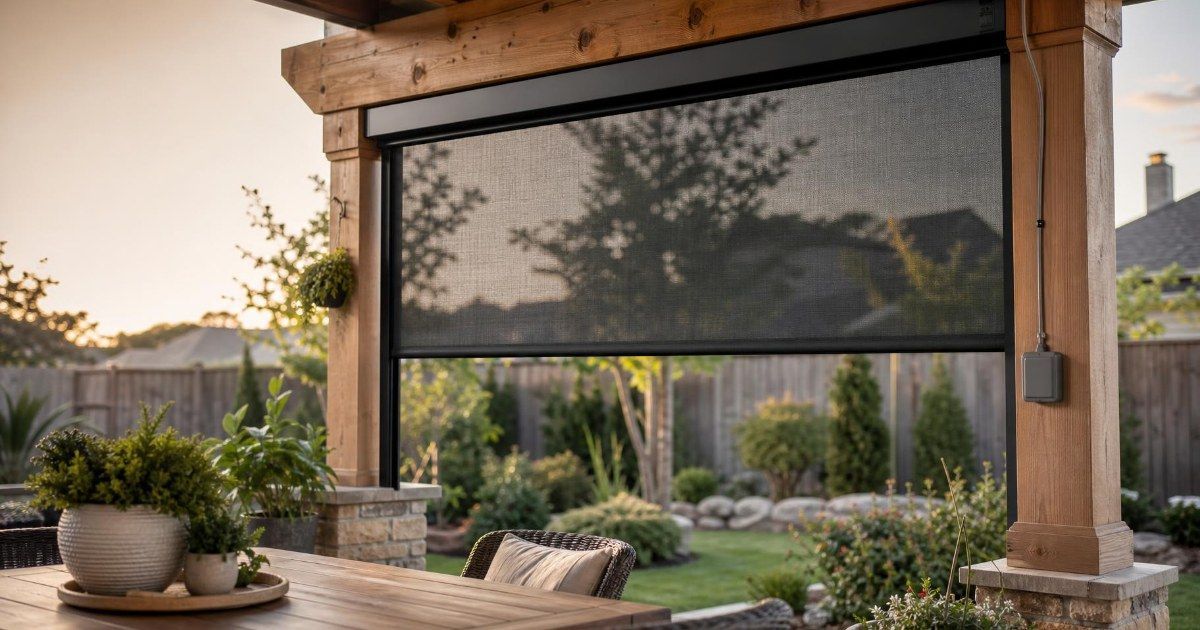
One of the most effective wind-resistant features for motorized outdoor shades is a guide rail or track system. Rather than allowing the fabric edges to hang freely, guide rails secure the fabric within channels on both sides as it extends.
This eliminates fabric movement in crosswinds, preventing the billowing and flapping that damages traditional awnings. Guide rails also maintain consistent tension across the entire shade surface, improving both performance and appearance.
For extremely windy locations, motorized shades with guide rails offer significantly better wind resistance than open-sided awning configurations.
Retractable Awnings for Wind-Prone Areas
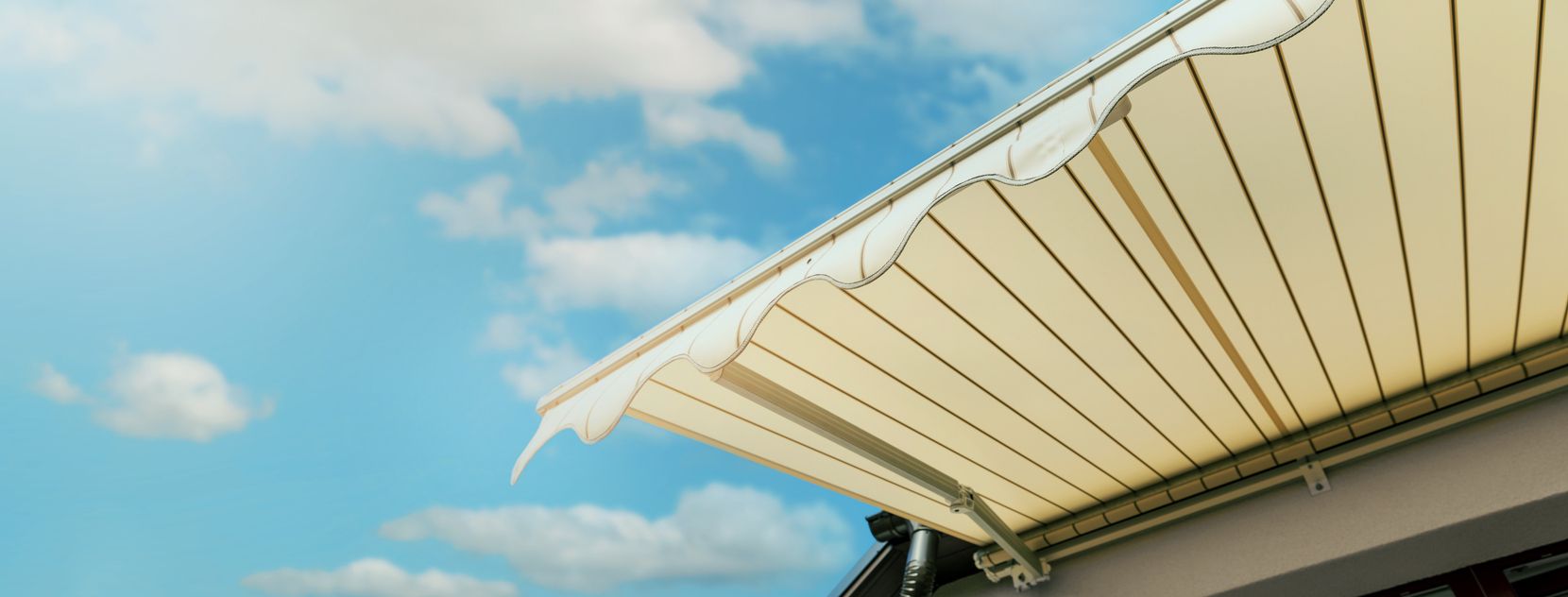
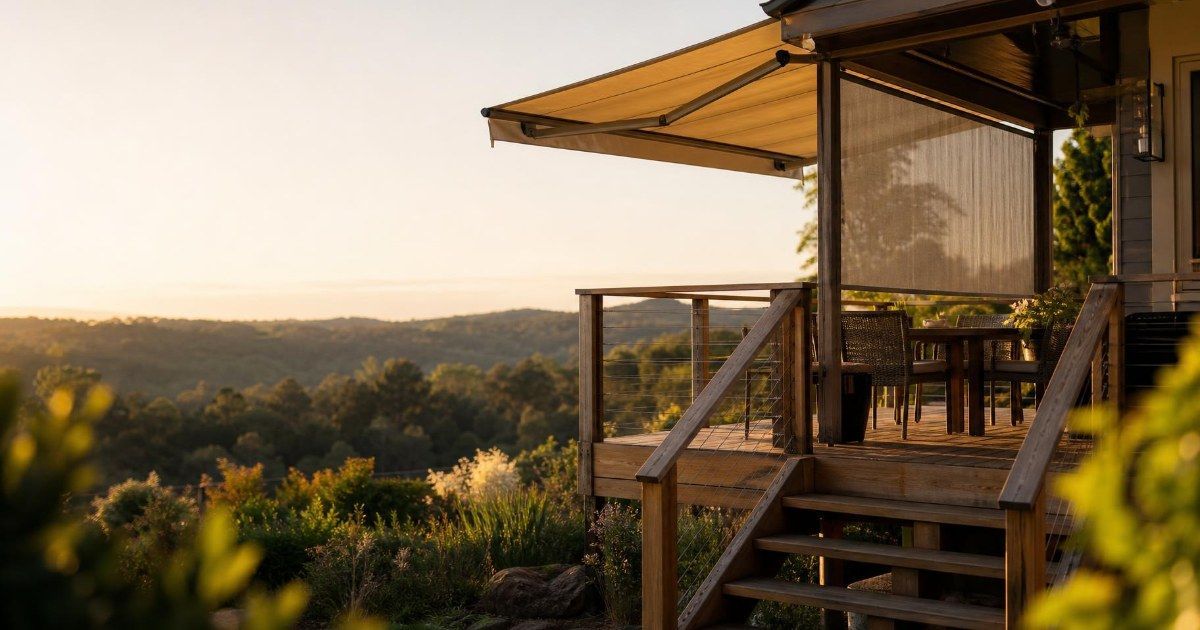
Retractable awnings provide overhead shade for patios, decks, and outdoor dining areas. While they excel in creating comfortable spaces, their horizontal orientation makes them more susceptible to wind uplift than vertical shades.
In areas with frequent moderate winds, choose retractable awnings with:
Wind sensors. Automated sensors detect wind speed and automatically retract the awning before damaging gusts arrive. This protection works even when you're away from home.
Manual override. Quality systems allow you to retract the awning instantly via remote control if weather conditions change suddenly.
Proper pitch adjustment. Setting the correct angle helps wind flow over the awning rather than catching underneath it. Many motorized awnings allow you to adjust the pitch for different conditions.
For coastal properties or areas with sustained high winds, vertical motorized shades with guide rails often provide better wind resistance than traditional overhead awnings. If you're still comparing your options, check out our breakdown of awnings vs. pergolas to find the right shade solution for your space.
Motorized Screens for Wind Protection
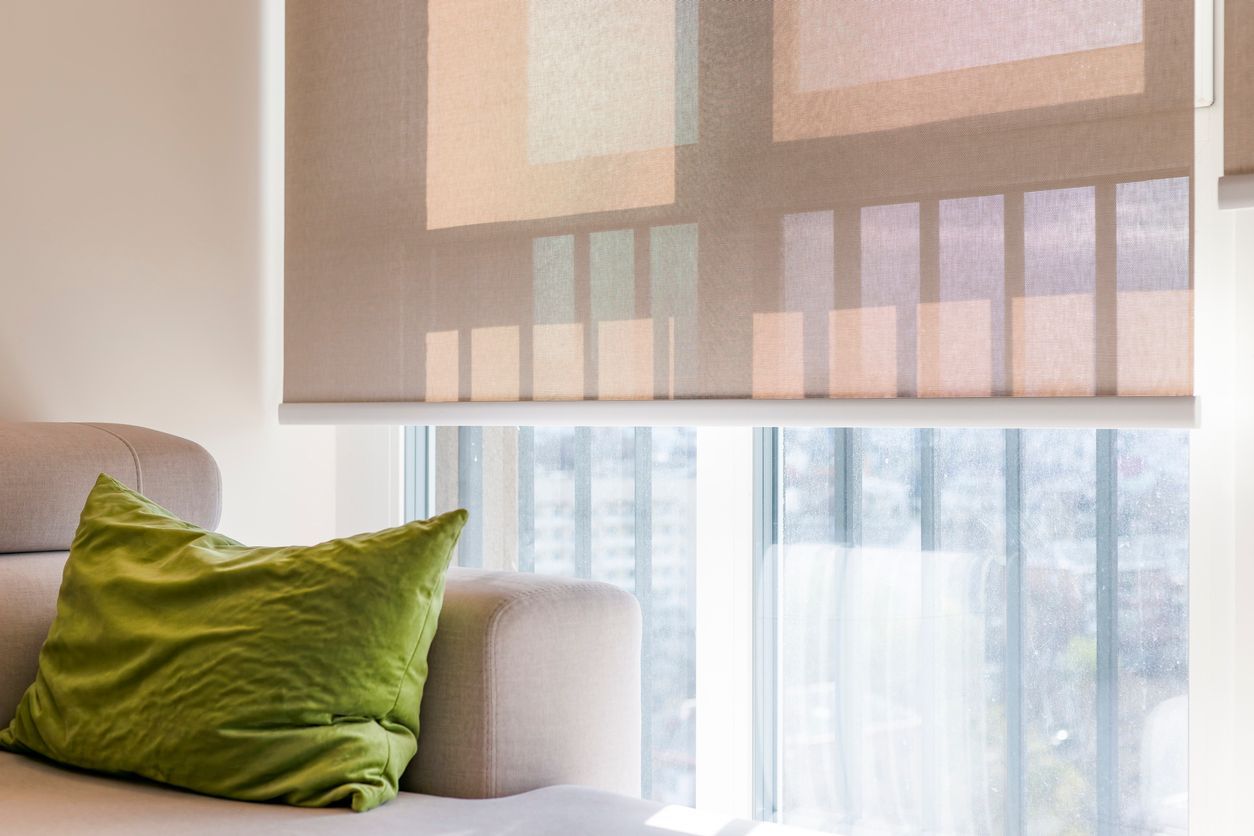
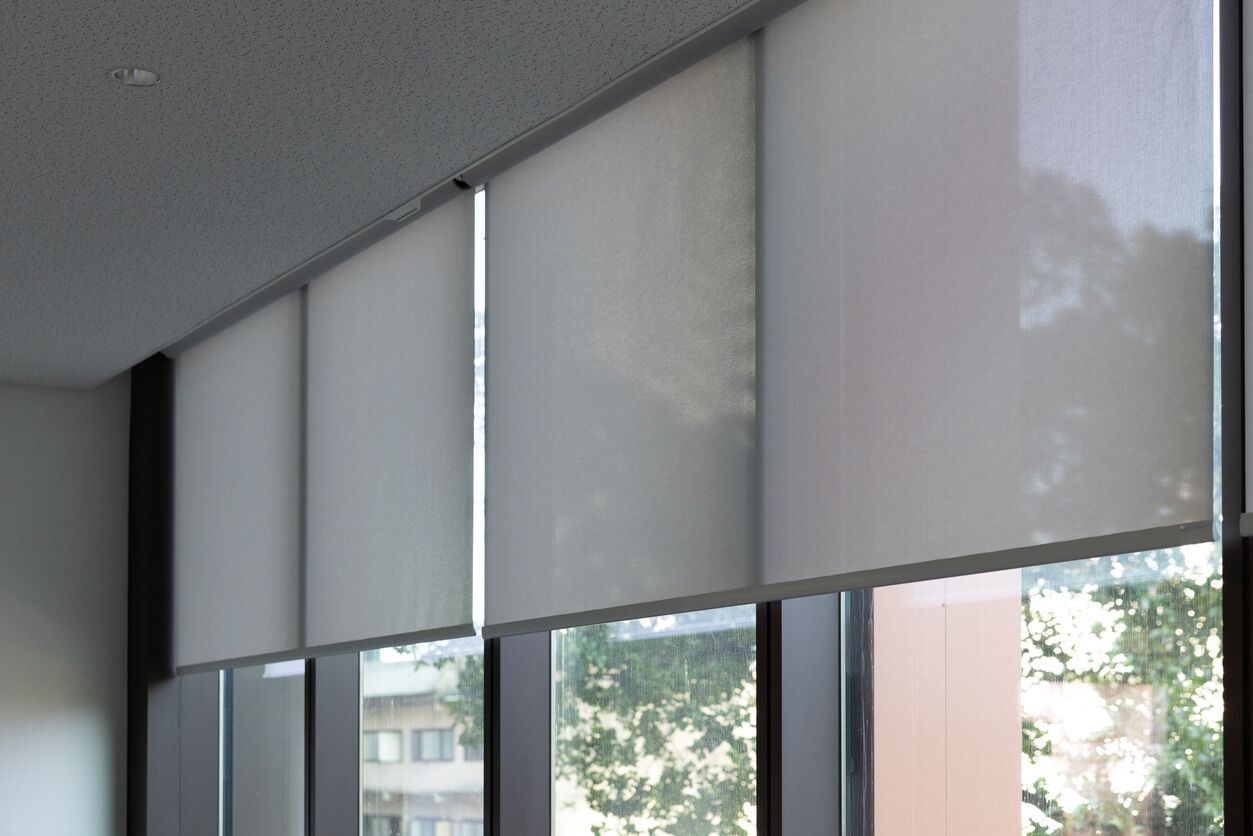
Motorized outdoor screens serve dual purposes in high-wind areas. When deployed, they create a protected space by blocking wind before it reaches your outdoor living area. When wind conditions become too strong, you retract them completely to avoid damage.
These screens work particularly well for:
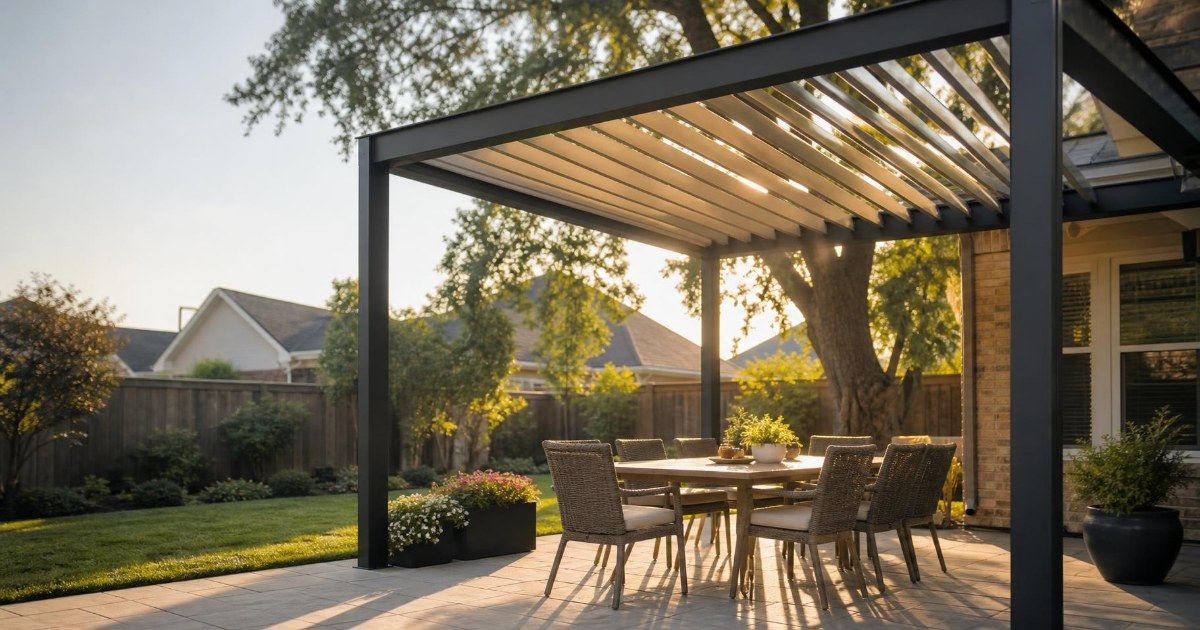
Covered patios and pergolas. Adding motorized screens to the open sides of a covered structure creates a wind-protected outdoor room while maintaining visibility and ventilation.
Wraparound deck protection. Multiple motorized screens can work together to shield decks from prevailing winds, allowing you to enjoy outdoor spaces that would otherwise be too breezy for comfort.
Pool and spa areas. Wind-resistant screens around pools reduce evaporation, keep the area warmer, and prevent debris from blowing into the water.
The key is matching the screen configuration to your property's specific wind patterns. A professional assessment from Shade Doctor can identify which sides need protection and where screens deliver the most value.
Comparing Permanent vs. Retractable Wind Resistant Shade Options
Homeowners sometimes debate between permanent shade structures and retractable motorized systems for high-wind locations. Each approach has advantages.
Permanent structures like custom shade sails, pergolas with fixed covers, or hard-roof pavilions offer continuous protection and can withstand severe winds when properly engineered. However, they represent a larger upfront investment and provide no flexibility for seasonal changes or extreme weather events.
Retractable motorized systems cost less to install while delivering greater versatility. You can retract them before hurricanes, tropical storms, or other severe weather, then redeploy them immediately afterward. This adaptability often results in lower long-term maintenance costs compared to permanent structures that endure every weather event.
For most coastal and high-wind locations, retractable motorized shades offer the best balance of wind resistance, functionality, and value.
Installation Considerations for Maximum Wind Resistance
Even the best wind resistant shade system will underperform if not installed correctly. Professional installation ensures your shades can handle the wind conditions at your specific location.
Key installation factors include:
Structural attachment points. Mounting hardware must attach to solid structural elements, not just surface materials. This typically means securing brackets to wall studs, beams, or reinforced mounting blocks.
Proper clearances. Shades need adequate clearance from walls, ceilings, and other structures to operate smoothly and avoid fabric damage during windy conditions.
Wind exposure assessment. Understanding your property's prevailing wind directions and typical wind speeds helps determine the appropriate shade configuration and whether additional features like guide rails are necessary.
Local building codes. Many coastal and high-wind zones have specific building codes for exterior structures. Professional installers ensure compliance while optimizing wind resistance.
Maintaining Wind Resistant Shade Systems
Regular maintenance keeps your motorized outdoor shades performing reliably through years of wind exposure. Simple practices extend system life significantly:
Retract your shades before severe weather. While quality systems can handle moderate winds, retracting them before storms prevents unnecessary stress on fabrics and mechanisms.
Keep fabrics clean. Dirt and debris trapped in fabric weaves can accelerate wear when wind causes movement. Regular cleaning with mild soap and water maintains fabric integrity. You can also learn how to protect your outdoor furniture from sun, rain, and wind using similar preventive strategies.
Inspect mounting hardware periodically. Check brackets, screws, and attachment points at least twice yearly for signs of loosening or corrosion, especially in coastal environments where salt air accelerates deterioration.
Test the retraction mechanism regularly. Exercise your motorized shades monthly, even if you're not actively using them, to ensure the motor and electronics remain functional.
Choosing the Right Wind Resistant Shade for Your Property
Selecting outdoor shading for a high-wind location requires balancing your comfort goals with the practical realities of your climate. Consider these factors:
Typical wind speeds. Sustained daily winds of 15-20 mph require different solutions than areas that only experience occasional gusts during storms.
Wind direction patterns. Prevailing winds from consistent directions allow you to optimize shade placement and configuration for maximum protection and performance.
Usage priorities. If you need year-round outdoor space, invest in more robust systems with guide rails and wind sensors. For seasonal use, simpler retractable options may suffice.
Aesthetic preferences. Modern motorized shade systems come in various configurations, colors, and mounting options to complement your home's architecture while delivering wind-resistant performance.
Working with experienced outdoor shade professionals helps you navigate these choices and select systems engineered for your specific wind conditions. Schedule a free consultation with Shade Doctor. The right wind resistant shade transforms a breezy, unusable outdoor space into a comfortable extension of your home that you can enjoy whenever you want, without worrying about the next gust of wind.