Awning vs. Pergola: Which is the Right Shade Solution for You?
Transforming your outdoor space starts with choosing the right shade solution. An awning or a pergola offers unique benefits for comfort, style, and home value. Both offer unique benefits, from providing shade and weather protection to adding visual appeal and extending your living space. Whether you want to escape harsh sun or create a cozy outdoor spot, knowing key differences helps you choose the perfect fit.
Let’s explore how these popular outdoor structures can elevate your outdoor living experience year-round.
What Are Shade Solutions?
Choosing the right shade solution is crucial for comfort and protection in your outdoor living space. Retractable awnings offer adjustable shade and shelter from harsh sunlight and unpredictable weather, while pergolas provide partial shade with an open, airy design that allows natural light to pass through. Understanding these options helps you create a beautiful, functional outdoor area tailored to your lifestyle.
What Are Awnings?
Awnings are versatile outdoor structures that attach to your house or building, usually above windows, doors, or patios. Both wall-mounted and freestanding structures are available, but wall-mounted options are the most common for residential use.
Retractable Awnings
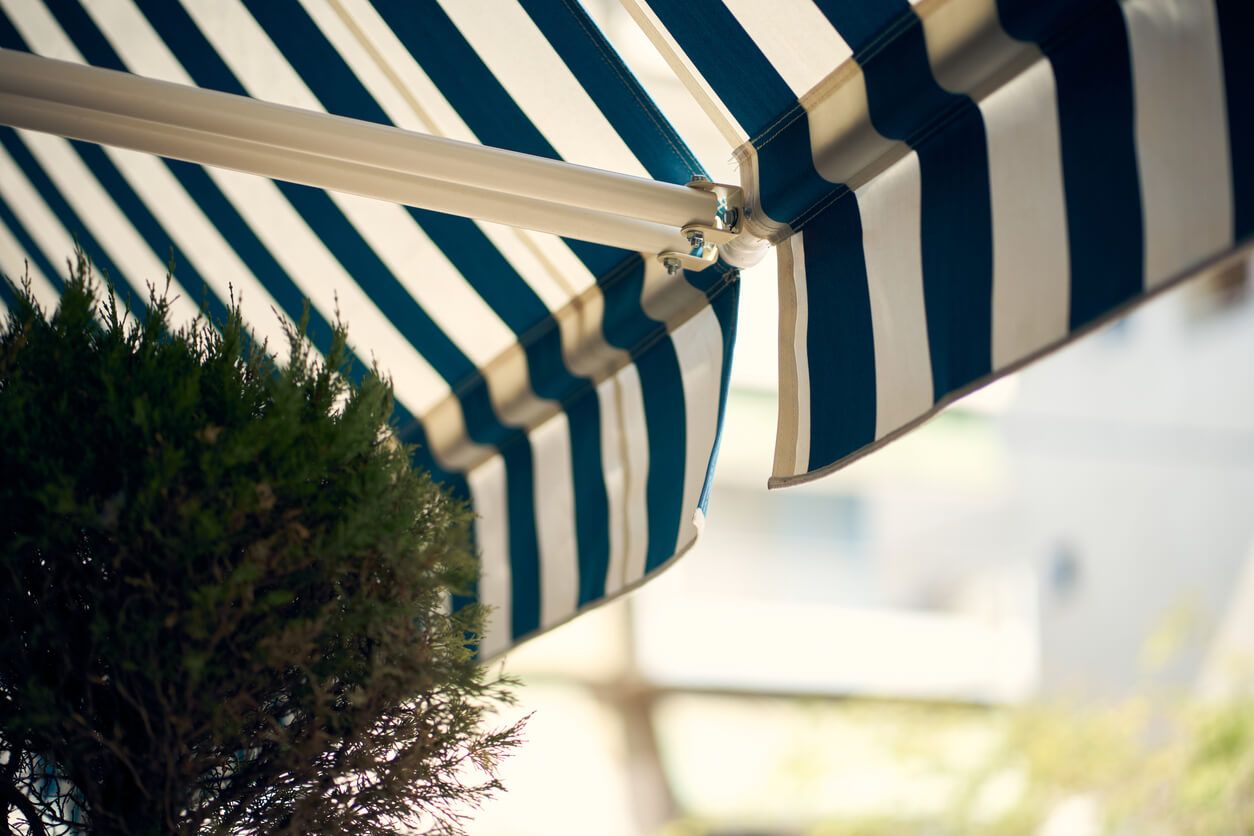
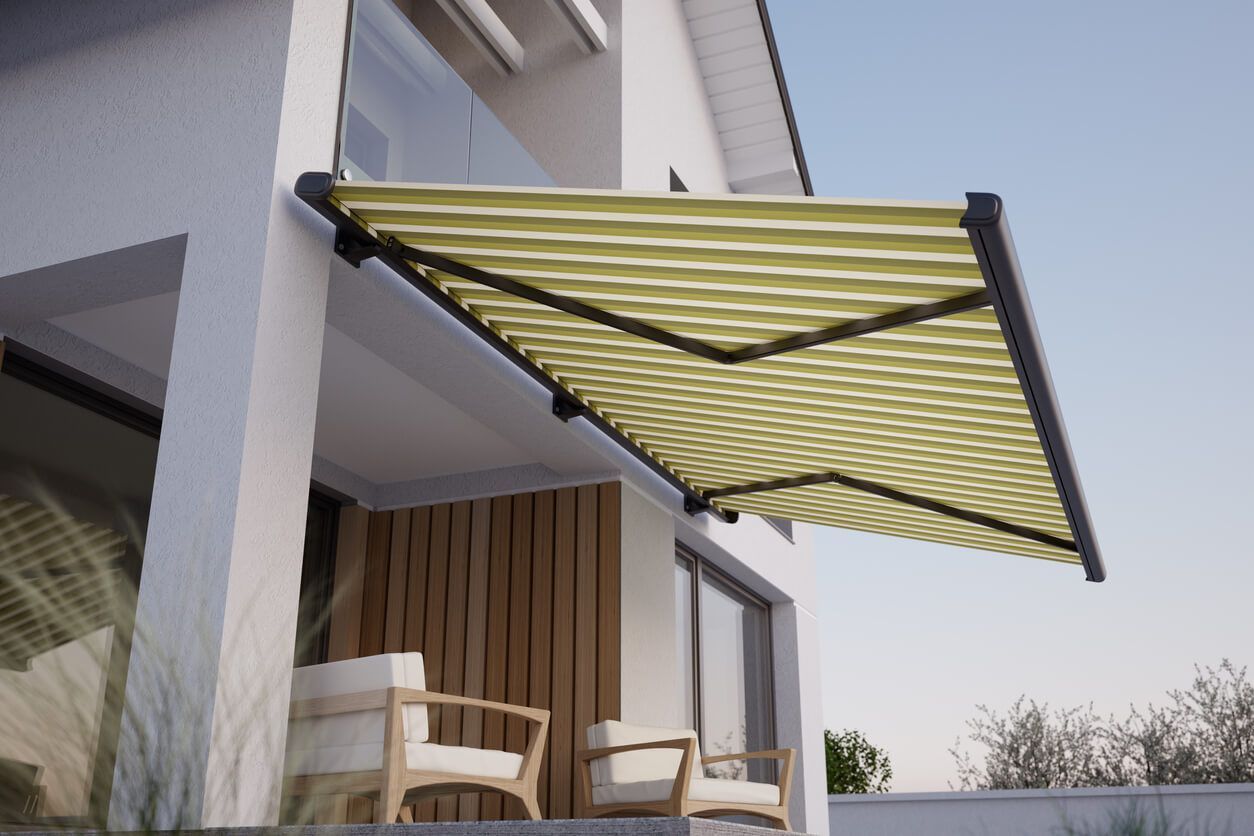
Retractable awnings offer adjustable shade on demand. With the simple push of a button, these awnings can extend or retract as needed, making them ideal for areas with variable sun or weather conditions. If you want shade and weather protection, retractable awnings let you easily enjoy the sun or shelter from wind, rain, and harsh sunlight.
Fabric Awnings
Fabric awnings are a budget-friendly choice that still offer shade and sun protection. This type of awning blocks harmful UV rays, lowers indoor temperatures, reduces utility bills, and boosts your home's energy efficiency.
What Is a Pergola?
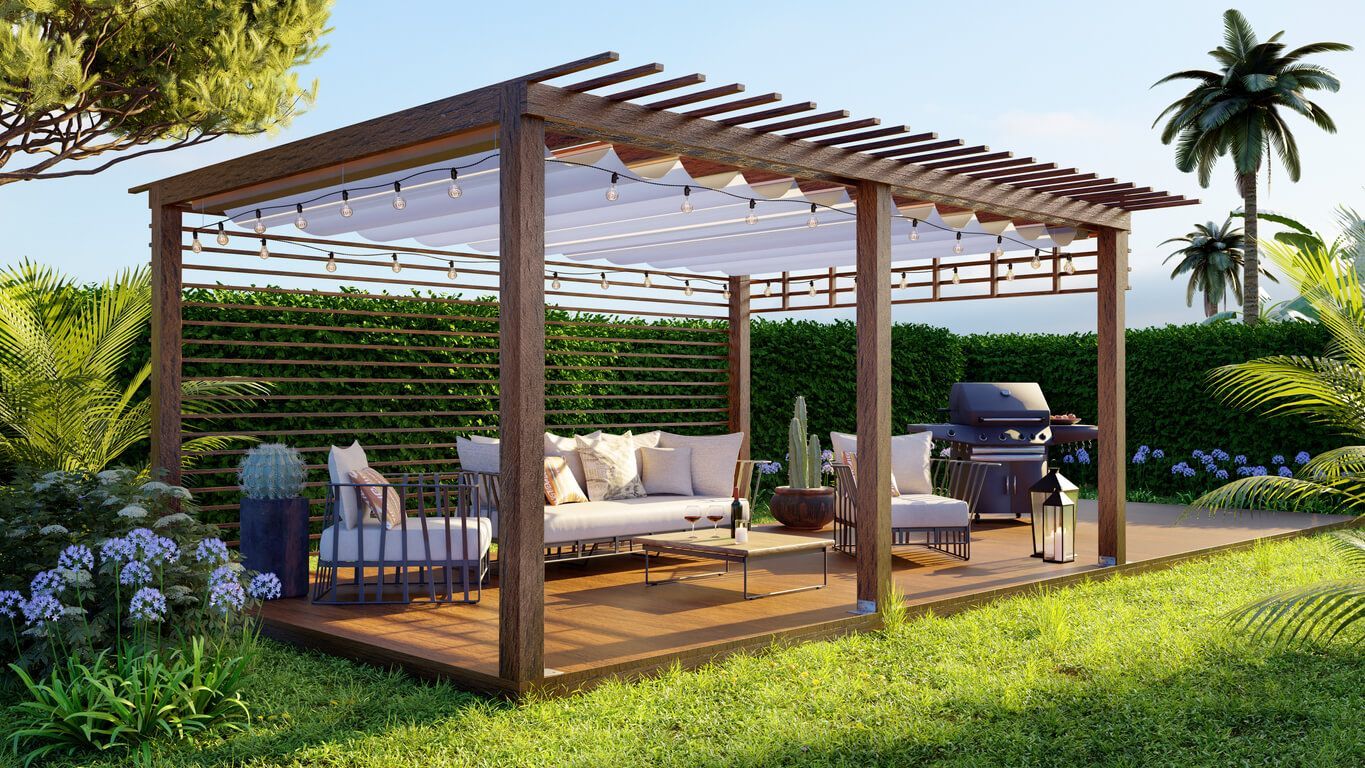
A pergola is an open outdoor structure that defines a space for lounging, dining, or even housing a hot tub. Pergolas provide an elegant framework for climbing plants and can easily be outfitted with accessories, such as LED lighting, to transition your outdoor living space from day to night.
Wooden Pergolas and Modern Pergolas
Pergolas are often made from wood or metal, while awnings are typically made from fabric or aluminum. Wooden pergolas are traditional and create a natural appeal, while modern pergolas, which are often built from metal or composite materials, offer sleeker lines and greater durability. Wooden pergolas require regular maintenance to prevent deterioration, while aluminum and vinyl models offer easier care.
Partial Shade and Retractable Canopies
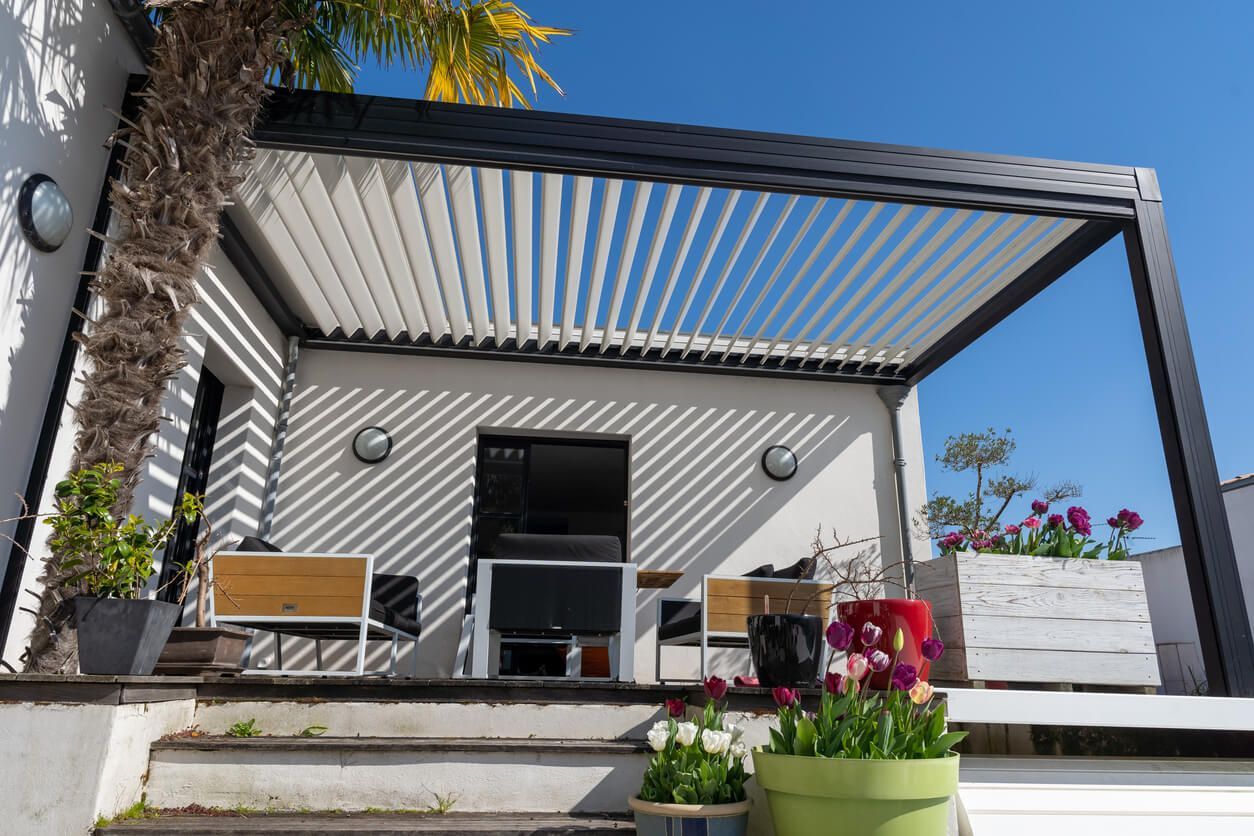
Classic pergolas offer partial shade with their slatted roofs, allowing some sunlight while filtering out the harshest rays. For added flexibility, retractable pergolas or louvered roofs allow you to control the amount of light entering the space, making it easy to adapt to the day's weather or your current activity.
Pergola vs. Awning: Key Differences
When selecting a shade solution for your outdoor space, it's essential to understand the distinction between a pergola and an awning. Each offers distinct advantages in terms of design, functionality, and maintenance.
| Feature | Awning | Pergola |
|---|---|---|
| Structure Type | Attached to the house, usually above windows, doors, or patios | Freestanding or attached open framework with rafters and beams |
| Shade Coverage | Provides adjustable, often full shade when extended | Offers partial shade with a slatted or open roof design |
| Material | Fabric or aluminum | Wood, metal, aluminum, or composite materials |
| Flexibility | Retractable awnings can be extended or retracted as needed | Some modern pergolas have retractable canopies or motorized louvered roofs |
| Weather Protection | Provides protection from the sun, rain, and wind when extended | Partial rain protection if equipped with a canopy or louvered roof; otherwise, minimal |
| Installation | Easier and quicker installation; wall-mounted | More complex installation; may require foundation and structural support |
| Maintenance | Requires regular cleaning, fabric replacement every 10 years or so | Wooden pergolas need regular maintenance; metal and vinyl models require minimal upkeep |
| Space Requirement | Ideal for small patios and decks; saves ground space | Requires more ground space; creates a distinct outdoor area |
| Customization | Limited to fabric style and material options | Wide range of customization, including size, color, roofing, lighting, and accessories |
| Impact on Home Value | Enhances curb appeal and comfort; moderate impact on property value | Can increase home value by 50% to 80% of the cost due to architectural appeal and functionality |
| Privacy | Limited privacy; mostly open and attached to the house | Can be enhanced with privacy screens, paneling, or climbing plants |
| Durability | Fabric awnings have a shorter lifespan; aluminum options are more durable | Durable, especially aluminum or composite pergolas, built to withstand high winds and weather |
| Cost | Generally, more cost-effective upfront | Higher initial cost but better long-term investment |
| Ideal Use | Quick shade and weather protection for daily life | Creating a stylish, comfortable outdoor retreat for year-round enjoyment |
How to Choose the Right Shade Solution You Need?
Choosing the ideal shade solution for your outdoor space involves considering several important factors:
- Determine Desired Shade and Sun Exposure. Think about how much shade you want. If you need adjustable, full-coverage retractable awnings, they provide flexibility. For partial shade with an open feel, pergolas offer a stylish solution.
- Consider Weather Protection Needs. Awnings generally provide better weather protection from rain, wind, and sun, especially retractable models that adjust as needed.
- Evaluate Maintenance Requirements. Fabric awnings may require periodic cleaning and eventual replacement, whereas aluminum or vinyl pergolas generally need minimal upkeep. Wooden pergolas need regular maintenance to prevent deterioration.
- Think About Aesthetic Preferences. Pergolas offer architectural appeal and can be customized with lighting, climbing plants, or retractable canopies to enhance the ambiance of your outdoor living space.
- Budget and Long-Term Value. Awnings tend to be more budget-friendly upfront, but pergolas often add greater long-term value to your home and can significantly increase property value.
- Installation Complexity. Wall-mounted awnings usually have quicker and easier installation compared to pergolas, which may require foundations and structural support.
- Privacy Considerations. Pergolas can be enhanced with privacy screens or paneling to create a more secluded space, while awnings generally offer limited privacy.
- Customization Options. Pergolas offer broad customization options in terms of size, materials, color, and accessories, whereas awnings primarily vary by fabric style and retractability.
By carefully considering these factors, you can select a shade structure that best suits your lifestyle, enhances comfort, and complements your outdoor living space. For the best results, seek the advice of qualified professionals who can assess your specific needs and help you choose and install the most suitable option.
Discover Your Perfect Shade Solution: Contact ShadeDocs Now!
Choosing between an awning and a pergola depends on your style, available space, and how you want to enjoy your outdoor living area. Awnings provide effective shade and weather protection, making them ideal for smaller patios and decks that are exposed to the sun and rain. Pergolas add architectural charm and partial shade, creating a stylish outdoor retreat that can accommodate plants, lighting, or even a hot tub.
At ShadeDocs, our team of skilled professionals is committed to helping you discover the ideal shade solution that fits your home and suits your lifestyle. Whether you’re considering a sleek, modern pergola or an energy-efficient retractable awning, we offer expert advice, top-quality products, and flawless installation.
Schedule your consultation today and see how ShadeDocs can elevate your outdoor space!