Aluminum vs Wood Pergolas: Maintenance and Longevity Compared
If you are planning a backyard upgrade and stuck between an aluminum vs wood pergola, you are not alone. This is one of the most common questions homeowners ask when they want a structure that adds shade, style, and actual day-to-day use to an outdoor space. On paper, both options sound great. In real life, they age very differently.
A pergola is not just a pretty frame over a patio. It lives outside full time. It bakes in the sun, gets hit by rain, deals with humidity, wind, pollen, dirt, and whatever else your local climate throws at it. That means the better question is not simply which pergola looks better on installation day. It is which one still looks good, works well, and feels worth the money five, ten, or fifteen years later.
For homeowners in Texas and other hot, storm-prone regions, that difference matters even more. A pergola in Houston, Katy, or anywhere along the Gulf Coast has to deal with intense UV exposure, moisture, and temperature swings that can be brutal on outdoor materials. In this guide, we will compare wood and aluminum pergolas side by side, with a close look at maintenance, lifespan, durability, appearance, and long-term value.
Why This Comparison Matters for Real Outdoor Living
A lot of pergola articles treat the decision like you are choosing between paint swatches. But this is a structural investment that affects how often you use your patio, how much upkeep you take on, and how much money you spend over time. The wrong choice can turn your backyard retreat into one more thing on your weekend to-do list.
That is especially true if your goal is low-stress outdoor comfort. Many homeowners want a pergola because they are tired of dodging harsh afternoon sun or avoiding their patio altogether during the hottest part of the day. They want a space for grilling, relaxing, hosting friends, or watching the kids swim without roasting. The pergola material you choose shapes how easy that space is to own.
What Is a Wood Pergola?
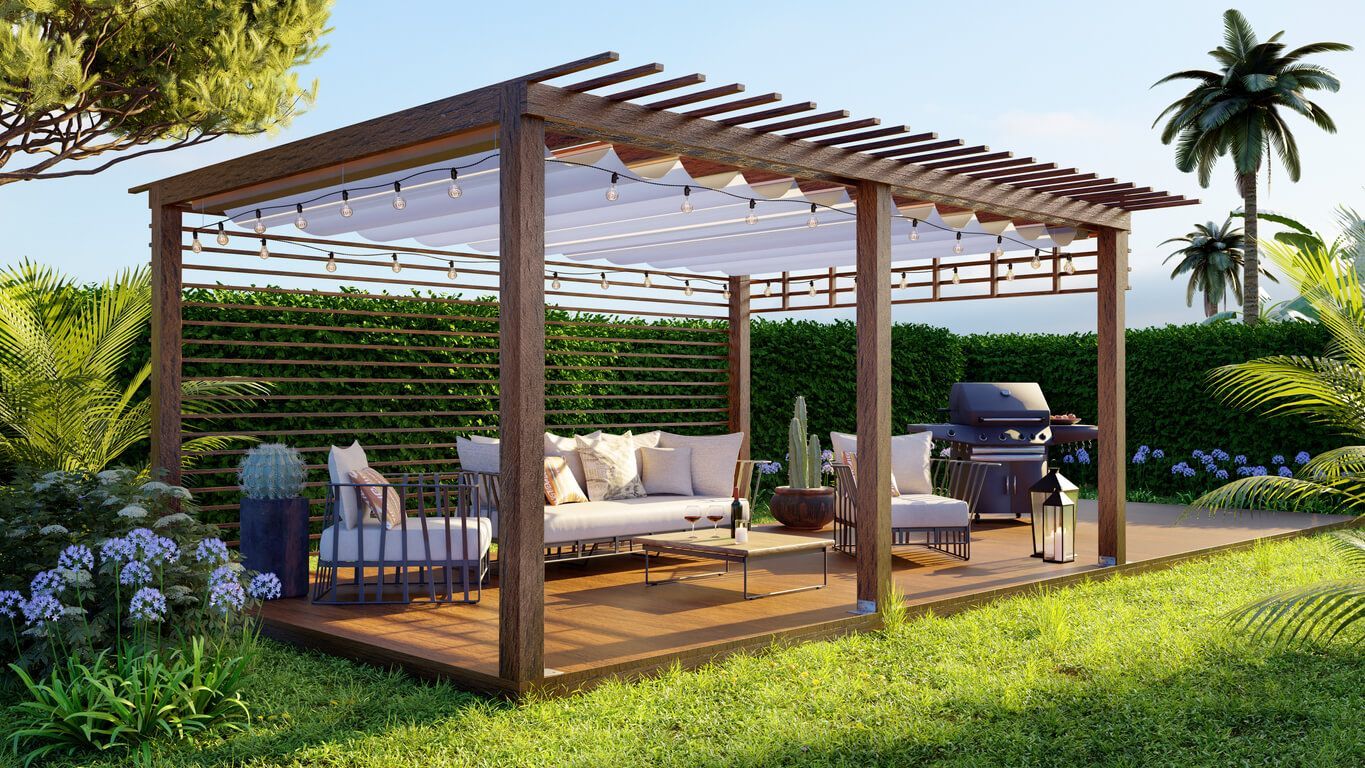
A wood pergola is the traditional version most people picture first. It is usually built from cedar, redwood, pressure-treated pine, or another exterior-grade lumber. Wood pergolas can be freestanding or attached to the home, and they are often chosen for their natural texture and classic backyard feel.
There is no denying the charm. A wood pergola can make a patio feel warm, grounded, and architectural in a way that feels almost garden-like. It can soften a hardscape-heavy yard and blend beautifully with landscaping, stone, or rustic home exteriors. In the right setting, wood has a kind of visual honesty to it. It looks like it belongs outdoors.
What Is an Aluminum Pergola?
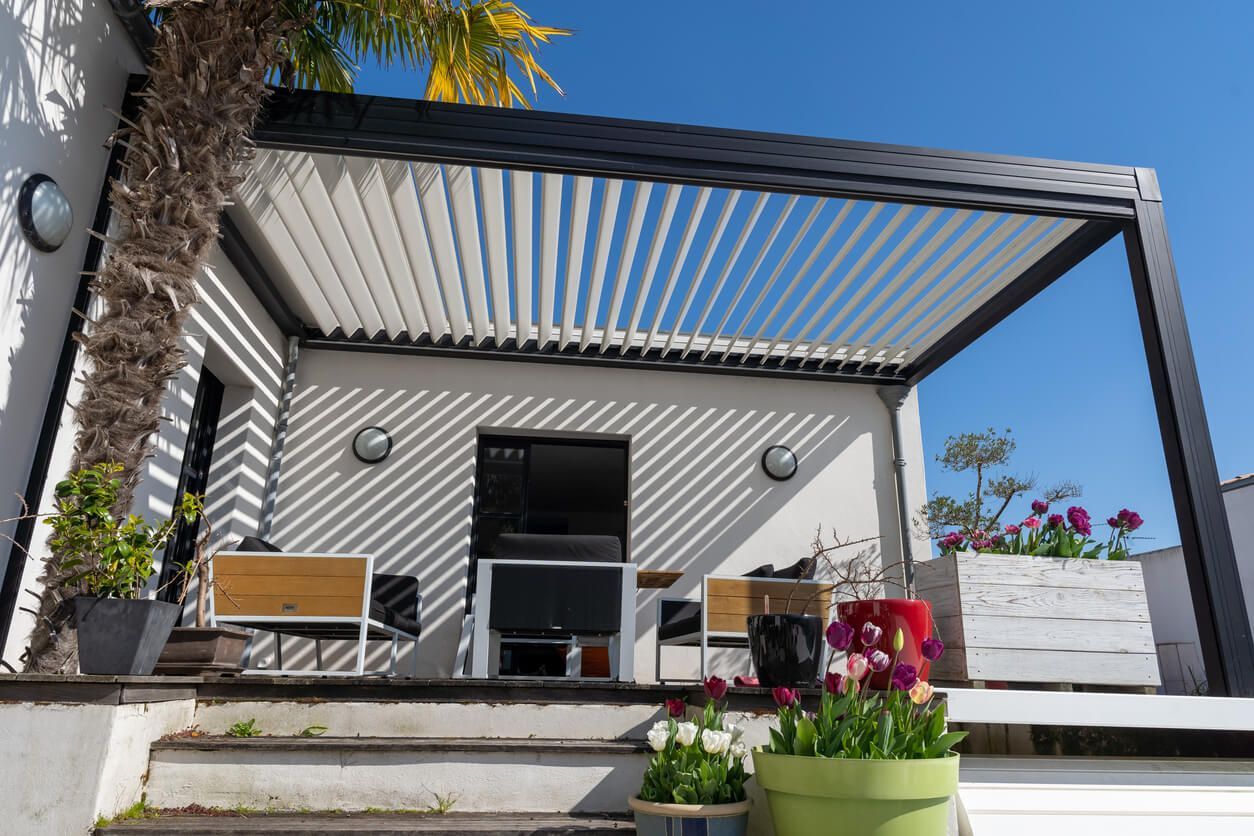
An aluminum pergola is a modern outdoor structure made from powder-coated aluminum components rather than natural lumber. Depending on the design, it may have fixed slats, manually adjustable louvers, or retractable features. Aluminum pergolas are especially popular with homeowners who want a cleaner look and less maintenance.
This is where function starts to pull ahead. Aluminum does not absorb moisture like wood. It does not invite termites to dinner. It does not warp the way lumber can after years of heat and rain. For many homeowners, an aluminum pergola is appealing for the same reason composite decking is appealing: it lets you enjoy the space without constantly babysitting the material.
Aluminum vs Wood Pergola: Maintenance Requirements
If maintenance is high on your priority list, aluminum usually wins this comparison without much drama. It is the difference between owning a vehicle that needs regular tune-ups and one that mostly just asks for a wash now and then.
Wood pergolas require ongoing care to stay attractive and structurally sound. Depending on the species of wood, climate, and finish, you may need to stain, seal, or paint the pergola every couple of years. In wetter or more humid environments, that schedule can tighten up. If you skip the upkeep, the wood can fade, crack, splinter, warp, or begin to rot. Even beautiful cedar is not magic. It still ages, still dries out, and still needs help.
Aluminum pergolas are much simpler. In most cases, maintenance means occasionally rinsing off dirt, pollen, and debris with water and using a mild soap if needed. Powder-coated finishes are designed to resist fading, corrosion, and peeling. There is no sanding weekend. No stain samples. No moment where you realize one beam looks sunburned and another looks moldy.
For busy homeowners, that difference is huge. If you actually want to spend your weekends under the pergola instead of working on it, aluminum has a clear advantage.
How Weather Affects Wood Pergolas Over Time
Wood and weather have a complicated relationship. At first, wood looks rich and natural. Over time, the elements begin negotiating with it. Sun dries it out. Rain swells it. Humidity seeps in. Wind shakes joints loose. The result is slow but steady change.
In hot climates like Texas, UV exposure can bleach wood and break down protective finishes faster than many homeowners expect. Add Gulf Coast humidity or frequent storms, and now you are dealing with moisture intrusion, mildew risk, and the possibility of rot in vulnerable areas. Even if the pergola remains structurally sound, it may begin to look tired long before you planned.
That does not mean wood is a bad choice. It means wood is a hands-on choice. If you love the look enough to maintain it, that tradeoff may be worth it. But if you are hoping for a set-it-and-enjoy-it backyard structure, wood often asks for more than people bargain for.
How Aluminum Holds Up in Harsh Conditions
Aluminum is built for the long game outdoors. It does not rot, and it does not become a buffet for insects. It handles moisture far better than wood, which makes it especially useful in humid, rainy, or coastal-adjacent environments.
That matters in places where weather does not play nice. In Texas, for example, your pergola may face blazing summer heat, sudden thunderstorms, and long stretches of humidity that make everything outside feel one step away from mildew. Aluminum shrugs off those conditions better than wood. It stays more dimensionally stable, which means fewer issues with warping, splitting, or structural movement.
A quality aluminum pergola also keeps its appearance longer with less intervention. That is a big reason why modern pergola systems are often made from aluminum rather than timber. The material is practical, durable, and well-suited for homeowners who want performance without constant upkeep.
Which Pergola Lasts Longer?
When comparing pergola longevity, aluminum generally has the edge. A well-made aluminum pergola can last for decades with relatively little maintenance. Because it is resistant to rust, rot, insects, and moisture damage, there are simply fewer ways for it to fail under normal conditions.
Wood pergolas can also last a long time, but the phrase there is can. Their lifespan depends heavily on the wood species, installation quality, climate exposure, and how consistently the owner keeps up with sealing, staining, and repairs. A neglected wood pergola may start showing real wear much sooner than expected. A carefully maintained one may last many years, but it demands more attention to get there.
Think of it like two fences. One needs regular repainting, board replacement, and weatherproofing to stay in shape. The other mostly needs the occasional rinse. Both may stand for a while, but one makes far fewer demands along the way.
Appearance: Natural Warmth vs Modern Clean Lines
This is where the choice becomes more personal. Wood brings warmth, texture, and an organic feel that aluminum cannot fully replicate. If your home has a traditional, farmhouse, craftsman, or rustic design, a wood pergola may feel visually right. It can look handcrafted, established, and timeless.
Still, there is a catch. The wood pergola that looks stunning in year one may not look the same in year five unless you actively preserve it. That soft, rich finish can turn gray, uneven, or weathered if left untreated. Some homeowners like that patina. Others do not.
Aluminum pergolas lean more contemporary. They offer crisp lines, a clean silhouette, and a polished finish that fits modern homes especially well. They also tend to keep that look longer. If you prefer a streamlined outdoor living space with less visual aging, aluminum is often the better fit.
And with today’s design options, aluminum does not have to feel cold or industrial. Many systems are sleek, upscale, and intentionally designed to complement luxury patios, pools, and outdoor kitchens.
Cost Over Time: Upfront Price vs Lifetime Value
A wood pergola may sometimes have a lower upfront cost, depending on the type of lumber and design. That can make it attractive at first glance, especially for homeowners working within a fixed budget.
But initial price is only part of the story. Over time, wood often costs more in maintenance, refinishing, repairs, and possible part replacement. Stain, sealant, labor, and upkeep add up. So does the value of your time. Homeowners do not always factor that in, but they should.
Aluminum pergolas may cost more upfront, especially when they include upgraded features like louvered roofs or integrated shade components. Still, the long-term value is often stronger because the ongoing maintenance burden is so much lower. In many cases, you are paying more at the beginning to avoid years of recurring work and expense.
Which Option Is Better for Texas Homes?
For many Texas homeowners, aluminum pergolas make more practical sense. The climate is simply tough on wood. High heat, strong sun, humidity, and seasonal storms create a punishing environment for materials that absorb moisture and expand or contract over time.
That is one reason more homeowners in Houston, Katy, and surrounding areas are leaning toward aluminum pergolas and other low-maintenance shade structures. They want something that can handle the weather without turning into a recurring project. They want a backyard solution, not a backyard responsibility.
That said, wood can still be a great fit if the aesthetic is your top priority and you are realistic about maintenance. Some homeowners genuinely enjoy the ritual of preserving wood. If that sounds like you, and you love the natural look enough to care for it, wood can absolutely be worthwhile.
Best Choice for Low-Maintenance Outdoor Living
If your main goal is easy ownership, aluminum is hard to beat. It is durable, weather-resistant, insect-resistant, and far less demanding over time. For homeowners who want to maximize patio use without signing up for constant upkeep, aluminum usually offers the better experience.
This becomes even more important when your pergola is part of a bigger outdoor living plan. If you are pairing it with motorized shades, retractable screens, or a more advanced patio design, aluminum fits naturally into that modern, performance-driven setup. It works well with smart upgrades and tends to support a cleaner, more cohesive finished space.
Wood still has undeniable beauty, but beauty with baggage is still baggage. If you love the look and accept the maintenance, that may be fine. If you want longevity with fewer strings attached, aluminum is usually the smarter move.
Final Verdict: Aluminum vs Wood Pergolas
So, which is better in the aluminum vs wood pergola debate? If you are focused on maintenance and longevity, aluminum comes out ahead for most homeowners. It lasts longer with less effort, handles harsh weather better, and keeps its appearance with far less upkeep.
Wood pergolas offer natural charm and traditional appeal, but they require more attention to stay in good shape. They are better suited for homeowners who prioritize aesthetics first and do not mind regular maintenance as part of ownership.
If you are investing in a pergola to make your patio more comfortable, usable, and enjoyable year-round, it makes sense to choose a material that supports that goal instead of complicating it. In many cases, aluminum does exactly that.
Upgrade Your Outdoor Space With the Right Shade Solution
At Shade Doctor, we help homeowners create outdoor spaces that are built for real life, not just showroom photos. Whether you are exploring pergolas, retractable pergolas, motorized patio shades, or awnings, our team can help you compare options based on your home, climate, and how you actually use your backyard.
If you are weighing aluminum vs wood pergolas and want expert guidance, schedule a consultation with Shade Doctor. We will help you find a shade solution that looks great on day one and still makes sense years down the road.