Retractable Pergolas for Backyards: Pros, Cons, and Use Cases
If you love being outside but hate how quickly a backyard can turn against you, a retractable pergola starts to make a lot of sense. One minute the patio is perfect. The next, the sun is drilling straight down, the glare is bouncing off the pool, and everyone is migrating back indoors. A retractable pergola gives you a way to control that experience instead of surrendering to it.
For homeowners in Texas and other hot-weather markets, that flexibility matters. Backyard spaces are no longer just “nice to have” zones with a grill and a few chairs. They are extensions of the home—places for dinner, morning coffee, game days, birthdays, and long summer evenings. A retractable pergola helps make that space usable more often by giving you adjustable shade, a cleaner architectural look, and more control over comfort.
In this guide, we’ll break down what a retractable pergola is, where it works best, the biggest pros and cons, and the backyard use cases where it really shines. If you are comparing outdoor shade solutions and trying to decide whether a retractable pergola is worth it, this will give you a realistic picture—not just the glossy brochure version.
What Is a Retractable Pergola?
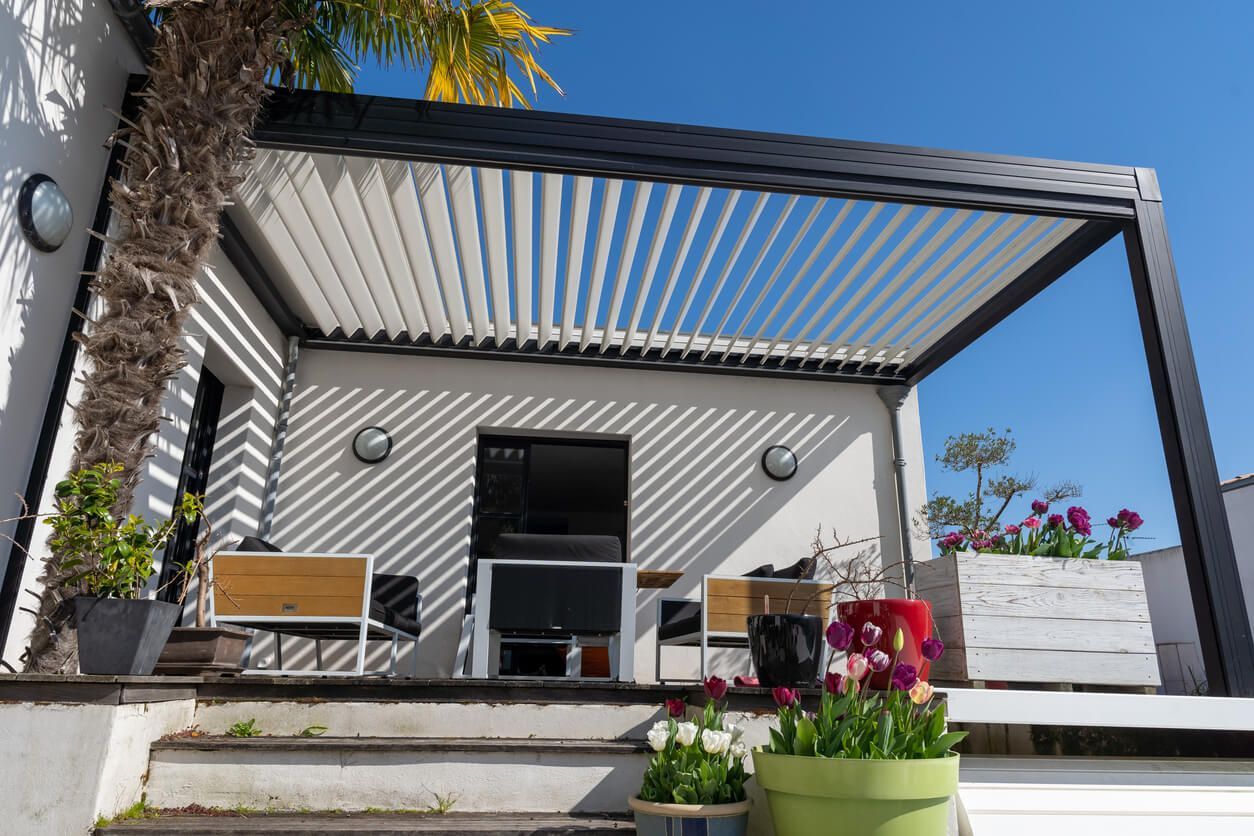
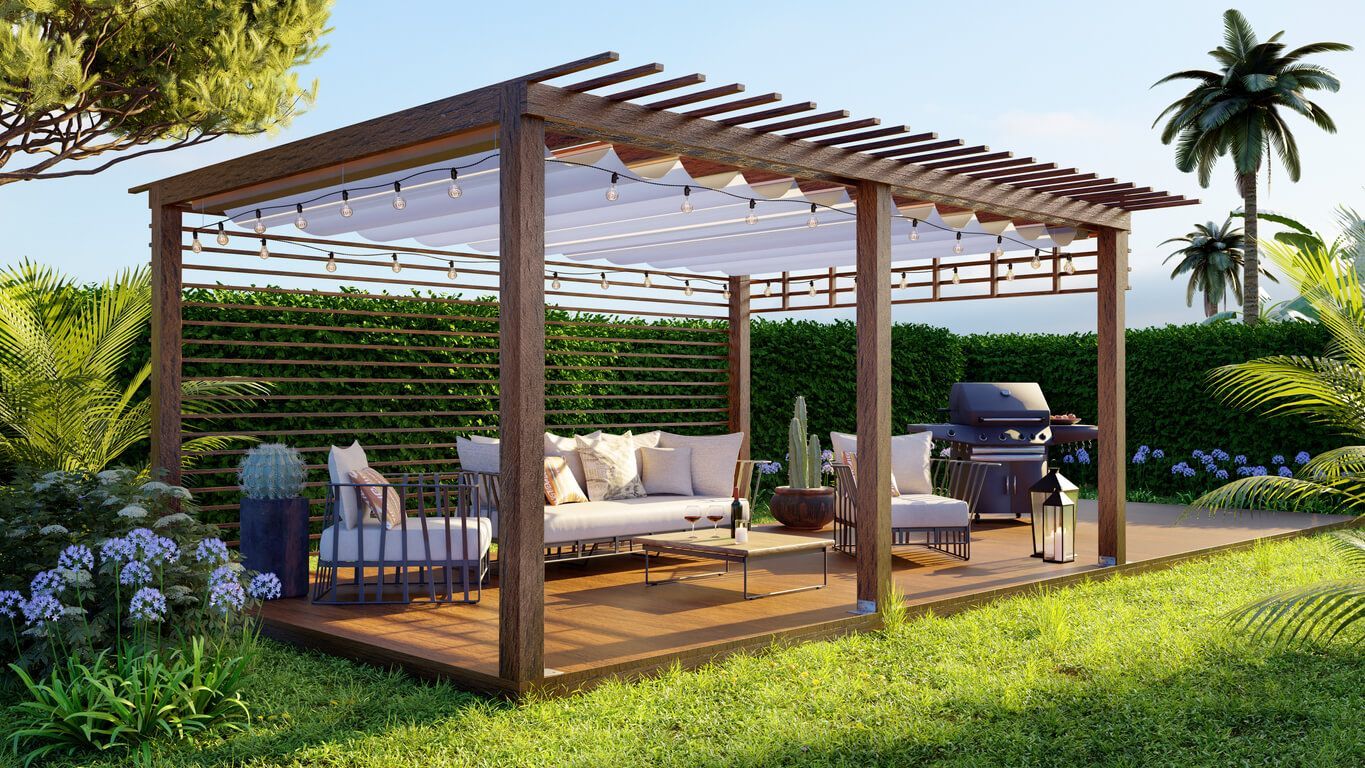
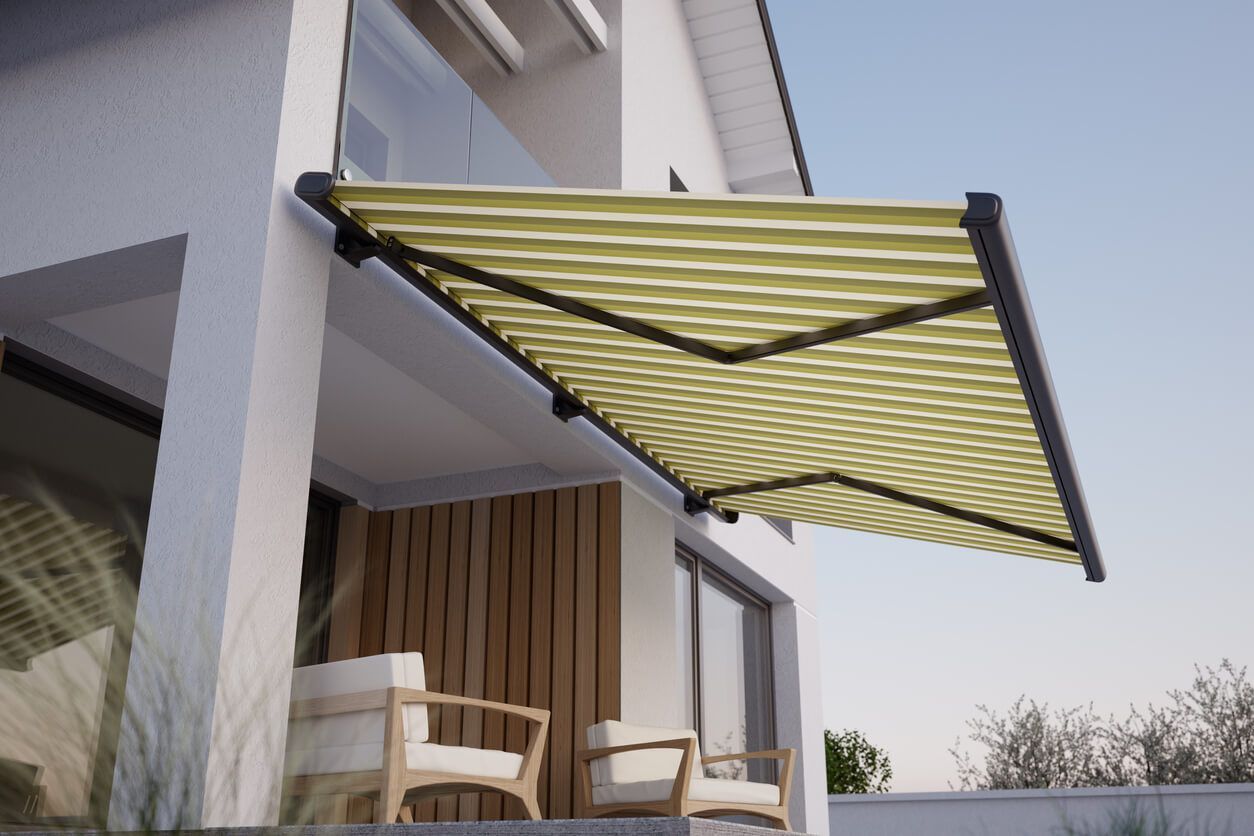
A retractable pergola is an outdoor structure designed to provide adjustable overhead coverage. Unlike a traditional pergola with fixed slats or an open roof, a retractable pergola can open or close depending on the weather, the time of day, or how much sun you want in the space. Some systems use retractable fabric canopies, while others use operable louvers that tilt or slide to manage light, airflow, and rain protection.
That adaptability is the whole point. A fixed pergola gives you a permanent look and some filtered shade, but it does not react. A retractable pergola does. Think of it like the difference between a static window and one with smart glass. One is always the same. The other changes with the conditions. For homeowners building a serious outdoor living area, that difference can be the deciding factor.
Why Retractable Pergolas Are So Popular for Backyards
Backyards have become more functional over the last decade. Homeowners are investing in outdoor kitchens, lounge areas, fire features, pools, and covered patios because they want the backyard to work harder. The problem is that weather is unpredictable, and fixed structures do not always give you enough control. A retractable pergola closes that gap.
It is especially attractive in places like Houston, Katy, and throughout Texas, where the sun can be intense for much of the year. In those climates, too much direct exposure can make a beautiful patio feel unusable by noon. A retractable pergola gives you the ability to create shade when you need it and open the roof when you want sunlight, airflow, or a view of the sky. That’s a much more livable setup than committing to one condition all day.
Pros of a Retractable Pergola
1. Flexible Shade on Demand
The biggest advantage of a retractable pergola is simple: control. You are not locked into full sun or full shade. If the morning is cool and pleasant, you can open the roof and enjoy the light. If the afternoon heat starts pressing down, you can close it and create a more comfortable retreat.
That kind of flexibility changes how often people actually use their backyard. A patio that is only comfortable for one or two hours a day is not doing much for your lifestyle. A retractable pergola can stretch those usable hours significantly. It turns outdoor living from a seasonal gamble into something much more dependable.
2. Better Comfort for Outdoor Entertaining
A backyard gathering lives or dies on comfort. If guests are squinting, sweating, or constantly moving chairs to avoid the sun, the space is not working. A retractable pergola helps create a controlled environment for dining, lounging, and entertaining without making the area feel boxed in.
This is especially useful over patios, poolside seating areas, and outdoor kitchens. Instead of guessing where the shade will fall, you can adjust coverage to match the moment. That means less glare during lunch, more comfort during dinner, and a backyard that feels designed instead of improvised.
3. Strong Visual Appeal
A retractable pergola can add a sharp architectural element to the backyard. It creates structure and definition without the heaviness of a fully enclosed addition. In design terms, it acts like a frame for the outdoor room. It tells the eye, “This is the gathering space.”
That matters more than people think. A backyard can have expensive furniture and still feel scattered if there is no visual anchor. A retractable pergola gives the space a center of gravity. Whether your home is modern, transitional, Mediterranean, or more traditional, the right pergola can make the entire yard look more intentional.
4. Potential Home Value Appeal
Well-designed outdoor living improvements can make a home more appealing to future buyers. A retractable pergola is not just decorative—it signals function, comfort, and upgraded lifestyle. Buyers often respond to outdoor spaces that feel ready to use rather than spaces that still require imagination.
Of course, value depends on the quality of the installation, the materials, and how well the pergola fits the home. But in many markets, a polished outdoor shade structure adds real curb appeal in the backyard. It suggests that the property offers more than square footage inside the walls.
5. Can Pair Well With Other Shade Features
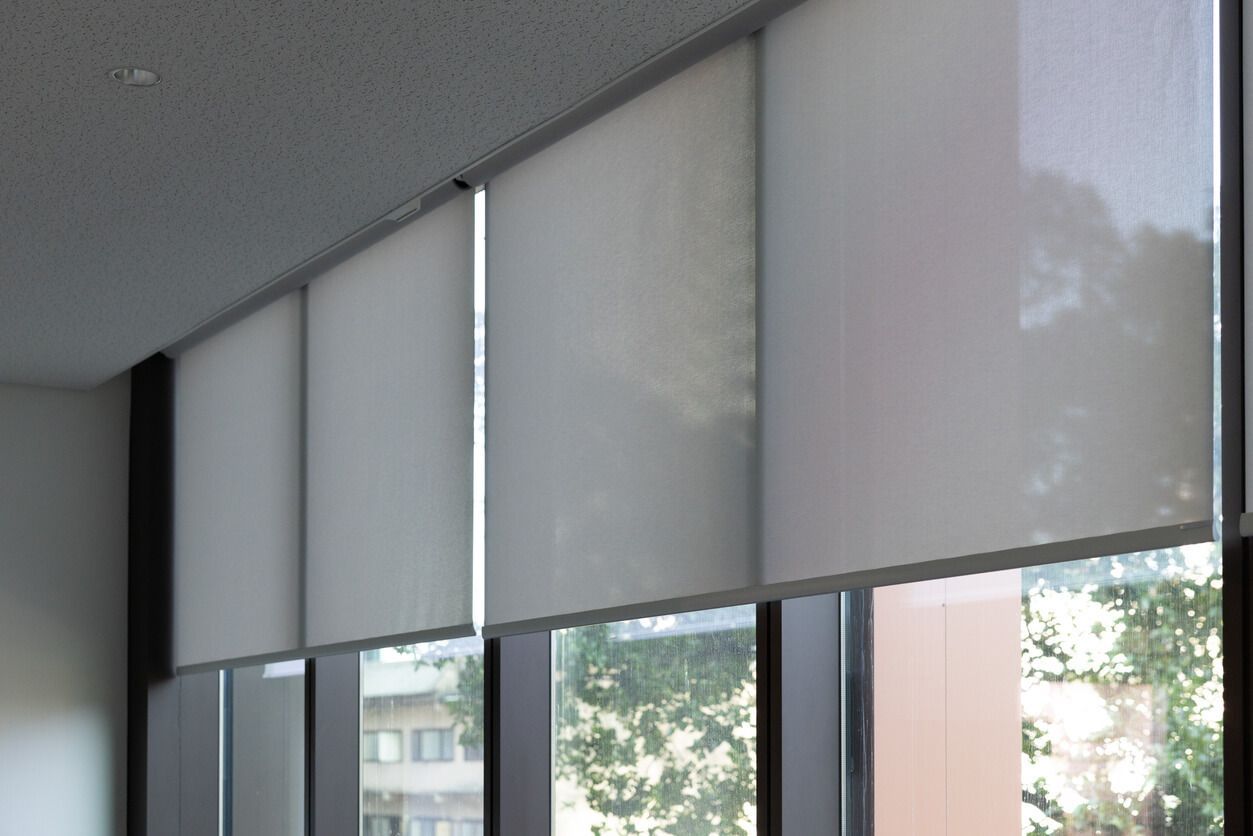
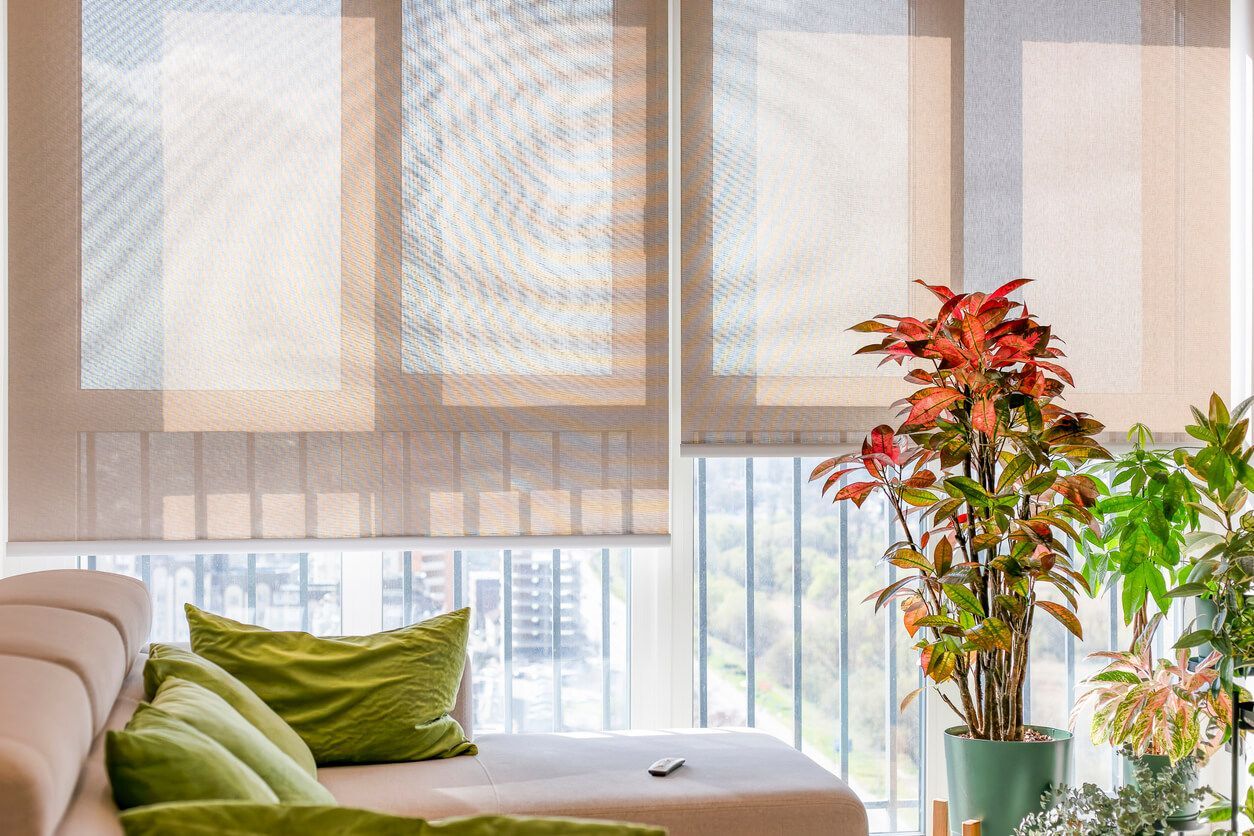
A retractable pergola does not have to work alone. It can be part of a larger backyard shade strategy that includes motorized patio shades, retractable screens, fans, lighting, and heating elements. That combination can create an outdoor area that functions across more seasons and more hours of the day.
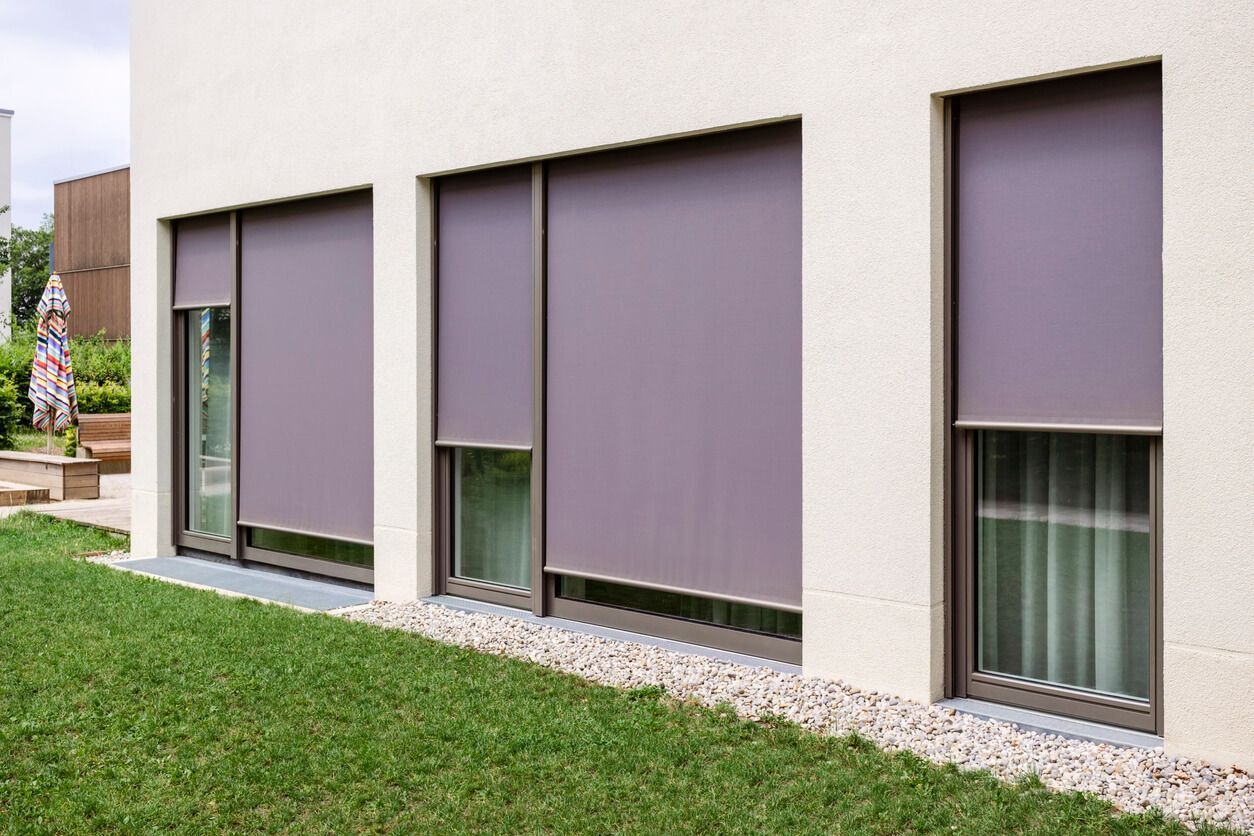
For example, a homeowner might use the pergola overhead for sun control and motorized shades on the sides for privacy and bug reduction. That kind of layered approach is often what turns a patio from “pretty” into “used all the time.” It is the difference between a showroom backyard and a lived-in one.
Cons of a Retractable Pergola
1. Higher Upfront Cost Than Simpler Shade Options
A retractable pergola is typically a bigger investment than a fixed pergola, shade sail, or standard patio cover. You are paying for structural engineering, premium materials, moving components, and often custom fabrication. If you are comparing line items only, it may look expensive at first glance.
But this is where homeowners need to be honest about what they are buying. A retractable pergola is not just a roof. It is a flexible outdoor living system. That said, if your main goal is simply to block a little afternoon sun over a small area, a simpler solution may be more practical.
2. More Complex Installation
Because retractable pergolas involve moving parts and custom measurements, installation is more specialized than dropping in a basic backyard structure. The pergola has to be properly integrated with the site conditions, drainage needs, structural supports, and sometimes electrical components depending on the design.
This is not the kind of project where “close enough” works out well. A poor installation can lead to drainage issues, uneven operation, or a finished look that feels awkward against the home. That is why working with an experienced outdoor shade company matters so much, especially in regions with heat, wind, and heavy storms.
3. Maintenance Is Still Part of the Deal
Even premium systems need some maintenance. Depending on the pergola type, you may need periodic cleaning, inspections, and service to keep moving parts functioning properly. Dirt, pollen, leaves, and weather exposure can all affect performance over time.
That does not mean retractable pergolas are fragile. It means they are active systems, and active systems deserve attention. A homeowner who wants absolute zero maintenance may be happier with a more static structure. But for most people, the added function is worth the routine care.
4. Not Every Backyard Is the Right Fit
Some yards are too tight, oddly shaped, or already crowded with existing structures. In those cases, a retractable pergola may not be the best use of space. The layout has to support both the footprint of the structure and the way people will move around it.
There is also the question of proportion. A pergola that is too small can look like an afterthought. One that is too large can dominate the yard and make the house feel visually off-balance. Good design matters here. The best retractable pergola installations feel like they belong to the home, not like they were parachuted into the backyard after the fact.
Best Use Cases for a Retractable Pergola
Outdoor Dining Areas
If you regularly eat outside, a retractable pergola is one of the smartest upgrades you can make. Dining is one of the backyard activities most affected by direct sun. Nobody wants to eat lunch while baking under overhead glare or watch dinner guests abandon the table because the heat won.
A retractable pergola over a dining area creates instant usability. You can open it on pleasant evenings, close it during peak sun, and make the patio feel more like an outdoor room. Add lighting overhead, and suddenly the same space works just as well for a quiet weekday dinner as it does for a birthday party.
Poolside Lounges
Pool decks look amazing in photos, but in real life they can get brutally hot. A retractable pergola near the pool gives swimmers and guests a place to cool down without having to go back inside. It creates a transition zone between full sun and full shelter.
This use case is especially strong in Texas backyards, where pool areas often get hammered by long stretches of summer heat. A retractable pergola can cover lounge chairs, a sectional, or even a small bar area, making the poolside experience feel more like a resort and less like a test of endurance.
Outdoor Kitchens and Grilling Spaces
Outdoor kitchens are natural candidates for retractable pergolas because they combine function and gathering. The cook wants shade. The guests want shade. And the entire area benefits from having a more defined structure overhead.
That said, the layout needs to be planned thoughtfully around ventilation, appliance clearances, and heat. When done right, a retractable pergola can make the kitchen zone more comfortable and visually polished. It can also help tie together the grill, prep area, and seating so the backyard feels cohesive instead of pieced together in stages.
Backyard Lounges and Conversation Areas
Some of the best pergola projects are not centered on dining at all. They are built around relaxing—coffee in the morning, reading in the afternoon, drinks with friends in the evening. A retractable pergola over a lounge setup creates a destination in the yard, a place people are naturally drawn to.
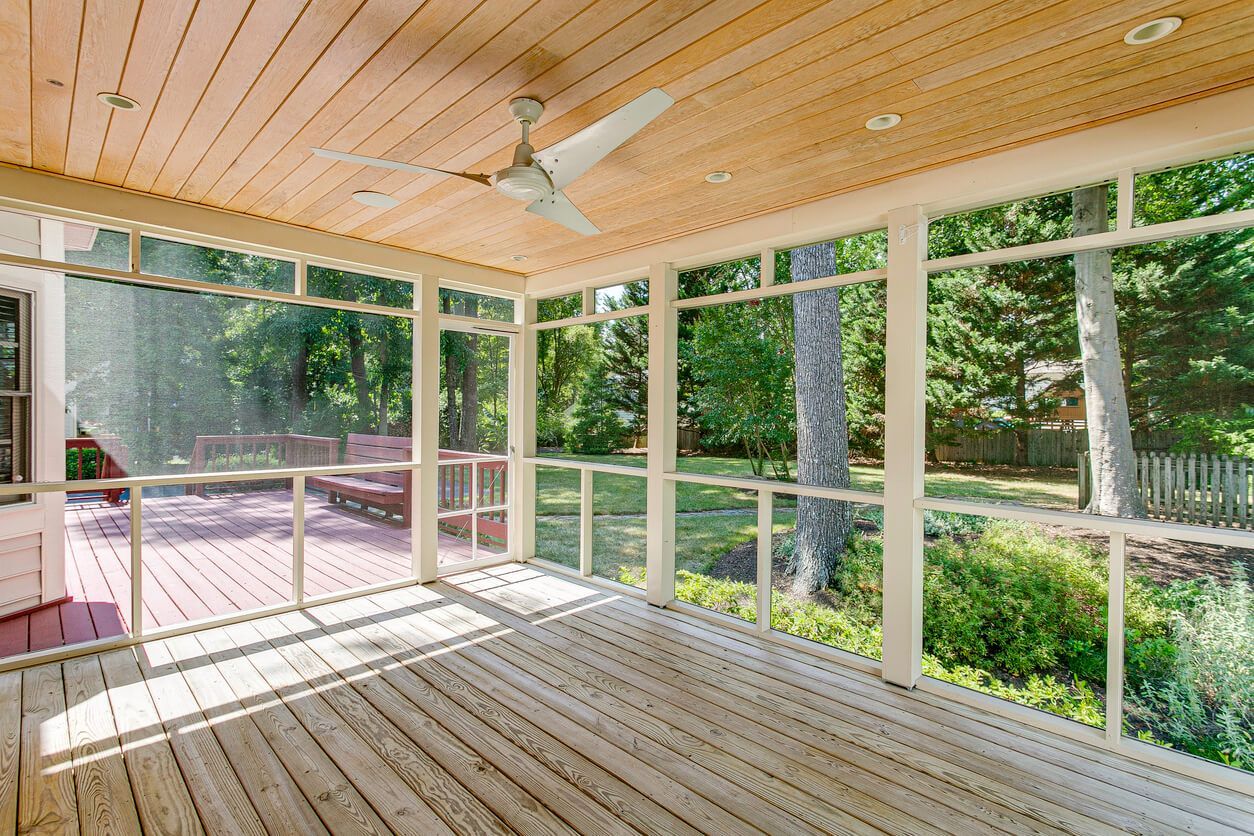
These spaces work particularly well when paired with ceiling fans, lighting, or motorized screens. The result is a backyard zone that feels protected without feeling shut off. It is a little like having a covered porch, but with more flexibility and a more custom look.
Transitional Patio Spaces Attached to the Home
A retractable pergola can also be ideal for patios directly off the back of the house. These are often the most-used outdoor spaces because they connect naturally to the kitchen, living room, or family room. Adding a retractable pergola here can blur the line between indoors and outdoors in a way that feels seamless.
This setup is especially effective when homeowners want to reduce harsh sunlight entering the home while still preserving openness. In some situations, combining a retractable pergola with motorized patio shades can improve comfort both outside and just inside the adjacent rooms.
Retractable Pergola vs. Traditional Pergola
A traditional pergola has a classic appeal, and for some homeowners it is enough. It provides structure, partial shade, and a timeless look. But its limitations are obvious on hot days, rainy days, or times when the angle of the sun changes faster than the space can handle.
A retractable pergola offers a more responsive solution. It does not force you to accept one fixed condition. If your backyard is used heavily and you want the space to perform, not just look good, retractable usually wins on function. Traditional pergolas still have their place, but they are better suited to homeowners who prioritize appearance over adaptability.
Is a Retractable Pergola Worth It?
For the right homeowner, yes. If your backyard is an important part of how you live, entertain, and relax, a retractable pergola can absolutely be worth the investment. It gives you control over shade, strengthens the design of the space, and helps your patio or backyard lounge area work harder throughout the year.
It is not a one-size-fits-all product, and it is not the cheapest route to backyard shade. But if you are tired of outdoor spaces that look great for 20 minutes and then become unusable, a retractable pergola solves a real problem. It is one of those upgrades that can quietly change daily life—less retreating indoors, more time outside, and a backyard that finally earns its square footage.
Final Thoughts on Choosing the Right Retractable Pergola
The best retractable pergola is not just the one with the nicest brochure photos. It is the one designed for your home, your climate, and how you actually use your backyard. A family with a pool and kids has different needs than homeowners building a quiet outdoor dining retreat. A Houston-area patio facing brutal western sun needs a different strategy than a smaller, shaded yard in another region.
That is why custom design matters. The right pergola should fit the architecture, solve a comfort problem, and make the backyard easier to enjoy. When that happens, it stops being just another outdoor feature and starts becoming the part of the home everyone gravitates toward.
If you are exploring retractable pergolas for your backyard, it helps to work with outdoor shade experts who understand both design and performance. A well-planned system can transform your patio into a space that feels comfortable, polished, and usable in the real world—not just in a photo taken at sunset.