Louvered Pergolas Explained: How Adjustable Roof Systems Work
A louvered pergola sits in that sweet spot between a traditional pergola and a full patio cover. It gives you the open-air feel people love, but with a roof system that can actually adapt when the weather changes. One minute you want sunshine over the pool, and the next you want shade for dinner outside. Instead of being stuck with one fixed condition, you can adjust the roof to match the moment.
That flexibility is exactly why louvered pergolas have become such a popular upgrade for outdoor living spaces. Homeowners in Houston and across the South know the routine: blazing afternoon sun, a surprise shower, then humidity that settles in like a heavy blanket. A standard pergola looks great, but an adjustable pergola roof gives you more control over comfort, usability, and protection.
What Is a Louvered Pergola?
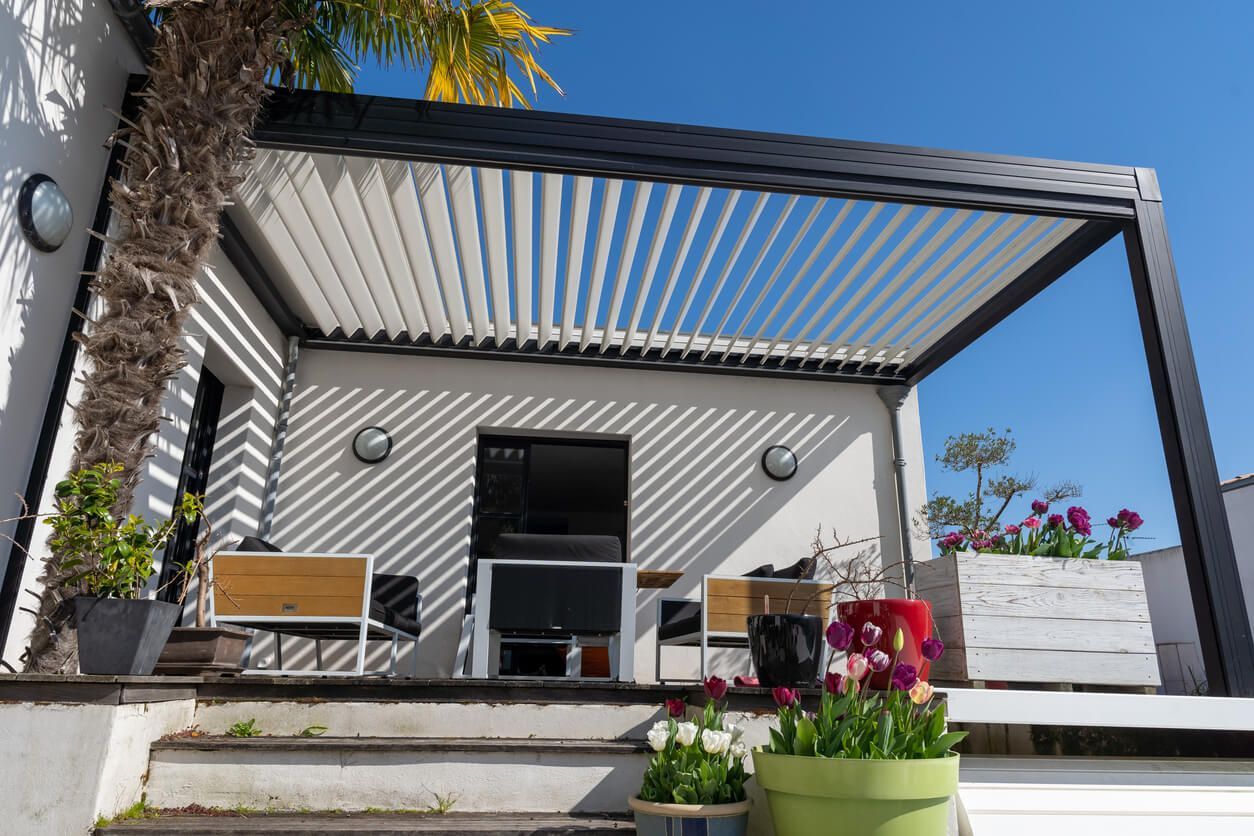
A louvered pergola is an outdoor structure with a roof made of adjustable slats, called louvers, that can open and close. When the louvers are open, they allow sunlight and airflow to pass through. When they close, they create a more solid overhead barrier that helps block sun and light rain.
Think of it like Venetian blinds for your patio, only much bigger, stronger, and built to live outdoors. Instead of hanging in front of a window, the louvers sit overhead in a framed pergola system supported by posts. Some models are operated manually, while others are motorized and controlled by a remote, wall switch, or smart home integration.
How a Louvered Pergola Roof System Works
At the heart of the system are the rotating louvers. These aluminum slats pivot in unison, usually through a mechanical linkage or motorized drive system. When activated, the louvers tilt to a chosen angle so you can fine-tune how much sun, shade, and ventilation you want.
On a bright Texas afternoon, for example, you might angle the louvers just enough to block harsh overhead glare while still letting heat escape. Later in the evening, you can open them wider to catch a breeze. If rain starts falling, the louvers can close completely to help shed water away from the covered area.
Most high-quality louvered pergola systems also include built-in gutter channels. When the roof is fully closed, rainwater is directed into internal drainage paths and routed down through the posts. That hidden drainage is one of the features that separates a well-engineered pergola from a decorative structure that only looks good in photos.
The result is a patio cover that behaves more like a responsive outdoor room than a static shade structure. It adapts. It moves. It gives you options when the weather refuses to cooperate.
Open Louvers vs. Closed Louvers: What Changes?
When the louvers are open, the pergola feels airy and architectural. Sunlight filters in, breezes move through, and the space feels connected to the outdoors. This setting is ideal when you want the visual openness of a classic pergola without the fixed slats that always cast the same shadow pattern.
When the louvers are partially tilted, you get controlled shade. That is often the most useful position in real life. Full sun can be too intense, especially over seating areas, outdoor kitchens, or poolside lounges. Tilting the louvers lets you cut glare and direct light without closing off the space entirely.
When the louvers are fully closed, the pergola becomes a more protective overhead system. It can shield furniture, reduce direct UV exposure, and make your patio more usable during a light rain. It will not turn your yard into a sealed indoor space, but it can make a dramatic difference in comfort.
This is why people often describe a louvered pergola as having three personalities. Open like a pergola. Angled like a shade system. Closed like a patio cover. That range is what makes it so practical.
Manual vs. Motorized Louvered Pergolas
Manual louvered pergolas use a crank or similar mechanism to adjust the roof. They can be a good fit for smaller spaces or homeowners who want the look and function of adjustable louvers without the added cost of automation.
Motorized louvered pergolas offer a more seamless experience. With the push of a button, the louvers rotate into position. Some systems can also connect to rain sensors, wind sensors, lighting controls, and smart home features. If you are already investing in a premium outdoor living space, motorization often makes sense because it removes friction from everyday use.
That matters more than people realize. If adjusting the roof feels like a chore, you will use that feature less often. If it takes two seconds with a remote, you will actually respond to changing weather conditions in real time. Convenience is not fluff here. It is part of what makes the structure valuable.
Why Homeowners Choose a Louvered Pergola
The biggest draw is control. A fixed patio cover gives you full-time shade whether you want it or not. A traditional pergola gives you filtered light but limited weather protection. A louvered pergola gives you a middle ground that can shift with the day.
That makes it especially appealing for outdoor spaces that do more than one job. Maybe your patio hosts weekend cookouts, quiet coffee in the morning, and late-night gatherings with friends. Those are different use cases, and they benefit from different roof positions. Adjustable louvers let one space do all of them better.
There is also a strong design appeal. Louvered pergolas have a clean, modern look that works well with contemporary homes, transitional architecture, and upscale outdoor living projects. They look intentional. Not like an afterthought bolted onto the back of the house, but like part of the home’s design language.
And then there is the climate factor. In hot, sun-heavy regions like Houston, Katy, and much of Texas, overhead shade is not a luxury for most of the year. It is what makes the patio usable in the first place. A louvered roof system gives you relief from direct sun without permanently sacrificing openness.
Key Benefits of an Adjustable Pergola Roof
One major benefit is shade control. Instead of living with whatever the sun decides to do, you can adjust the louvers to reduce heat and glare throughout the day. This can make outdoor dining, lounging, and entertaining much more comfortable.
Another benefit is airflow. Fixed solid covers can trap heat underneath, especially in summer. A louvered pergola lets hot air escape when the roof is open or partially angled. That can help the space feel less stuffy and more inviting, particularly during humid Gulf Coast weather.
Weather protection is another selling point. While no outdoor structure erases the elements completely, a closed louvered roof can help protect against light rain and intense midday sun. Combined with outdoor screens, fans, and lighting, it can turn a basic patio into a far more functional retreat.
There is also the value of versatility. A louvered pergola can cover a seating area, outdoor kitchen, pool deck, or spa zone. It can be freestanding in the yard or attached near the house depending on the design. That flexibility makes it useful across a wide range of properties and lifestyles.
Are Louvered Pergolas Good for Texas Weather?
In many cases, yes. In fact, Texas is one of the places where a louvered pergola makes the most sense. The climate is unpredictable in a very specific way: strong sun, sudden storms, high heat, and long outdoor seasons. A roof that adjusts is simply more useful than one that stays frozen in one position.
For homeowners around Houston, this matters on an everyday level. Summer sun can turn a beautiful patio into a skillet by early afternoon. A louvered pergola helps tame that heat while still allowing ventilation. Then if a quick rain rolls through, the roof can close to help protect the space.
That said, product quality and installation matter. A pergola system in Texas needs to be engineered for real weather, not just showroom conditions. Materials, drainage, anchoring, and structural design all play a role in long-term performance. That is why working with an experienced outdoor shade specialist is important.
Common Materials Used in Louvered Pergolas
Most premium louvered pergolas are made from aluminum, and for good reason. Aluminum is durable, corrosion-resistant, and relatively low maintenance. It also allows manufacturers to create sleek lines and modern profiles without the upkeep demands of wood.
Powder-coated aluminum is especially common because it stands up well to sun, moisture, and general outdoor wear. In climates with heat, humidity, and storms, that durability matters. Homeowners usually want something that looks sharp without demanding constant repainting, sealing, or repair.
Some pergolas may include steel components or decorative elements, but aluminum tends to be the workhorse material for the frame and louvers. It offers the right mix of strength, weather resistance, and clean aesthetics for modern outdoor living systems.
Popular Add-Ons for Louvered Pergola Systems
A louvered pergola can be impressive on its own, but the right upgrades can make it even more functional. Integrated LED lighting is one of the most common additions. It extends the usability of the space into the evening and creates a polished, finished look.
Ceiling fans are another smart addition, especially in hot climates. Pair a fan with adjustable louvers and you get a much more comfortable environment during summer. The louvers control sunlight, while the fan keeps air moving where people are actually sitting.
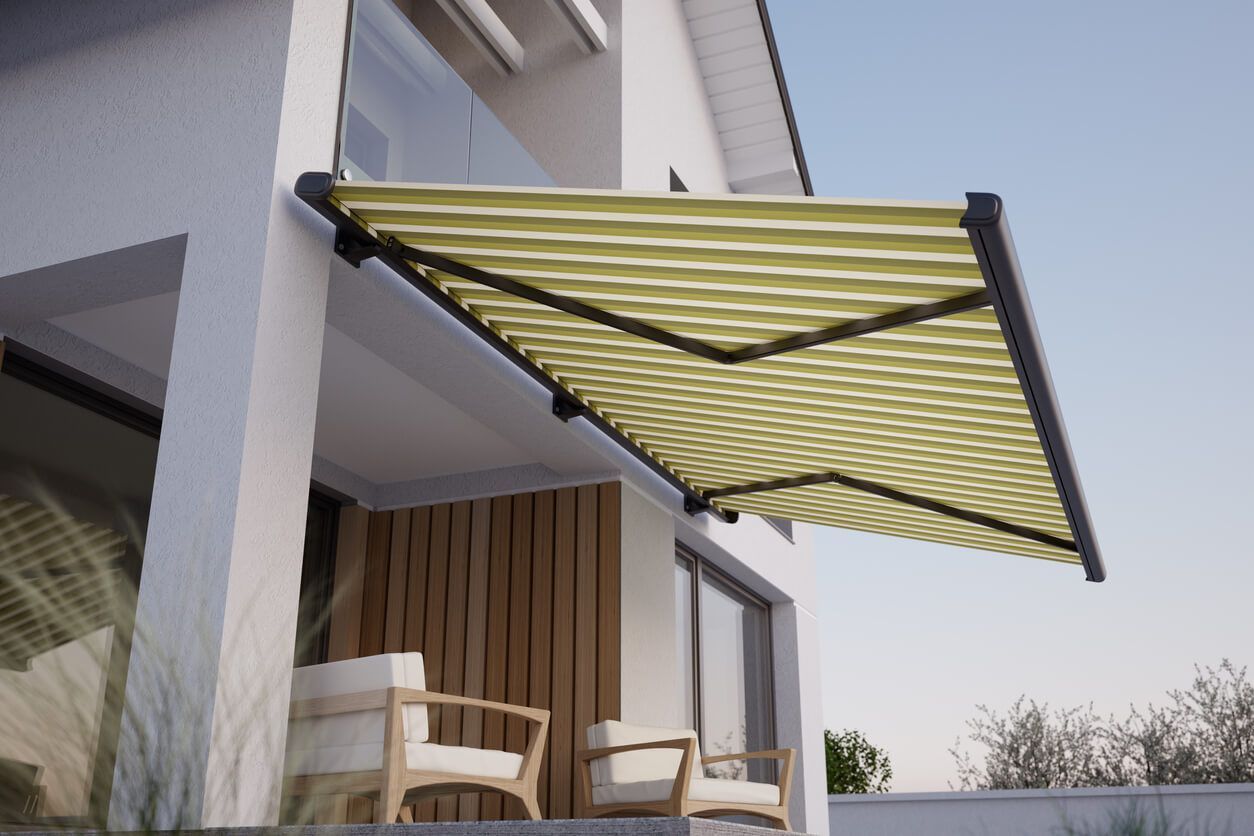
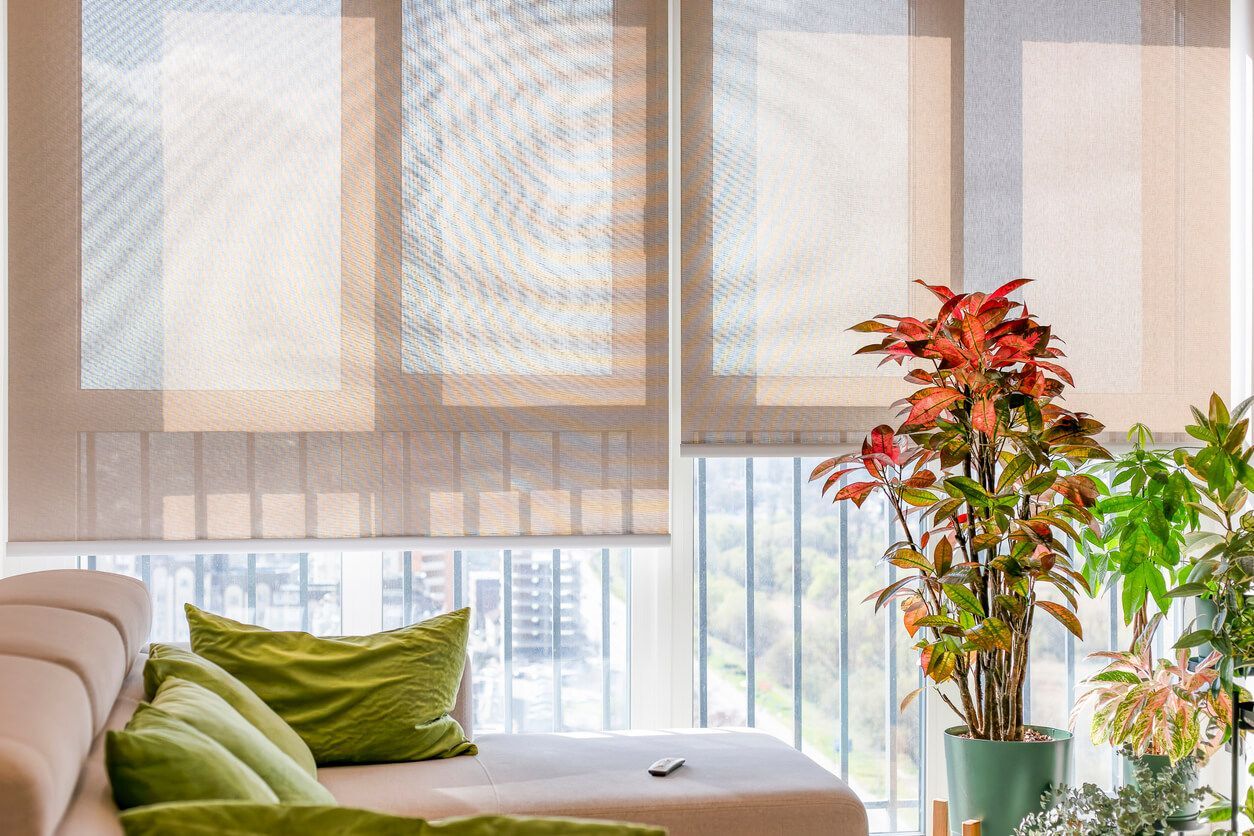
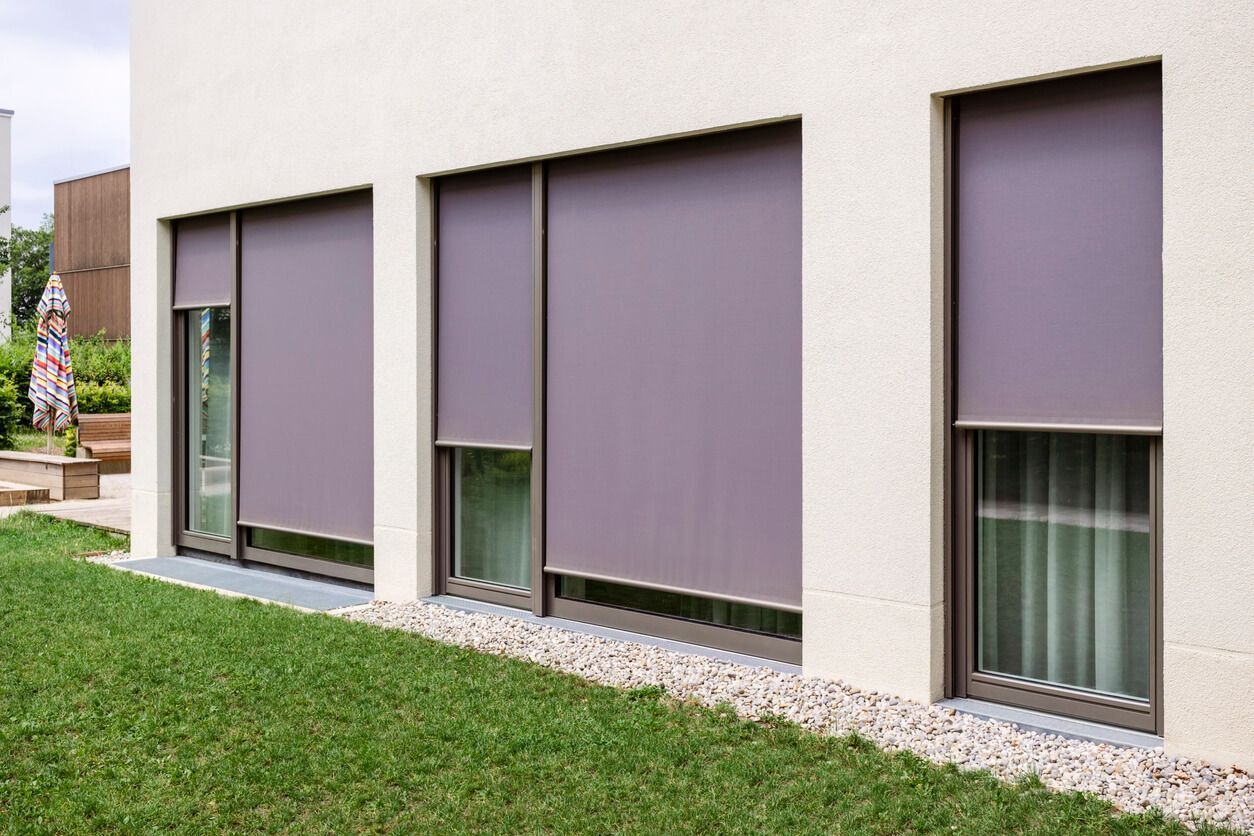
Motorized retractable screens are also a natural fit. They can help block low-angle sun, insects, and added heat from the sides. This is where companies like Shade Doctor bring real value, because combining pergolas with retractable screens and awnings allows homeowners to create a layered shade solution instead of relying on a single feature.
Other common upgrades include heaters, smart controls, privacy walls, and outdoor audio. The pergola becomes the anchor structure for a more complete outdoor room.
Where a Louvered Pergola Works Best
A louvered pergola works especially well over patios, poolside lounges, outdoor kitchens, and dining spaces. These are areas where people want comfort without feeling boxed in. Adjustable louvers let the space stay open when conditions are pleasant and more protected when they are not.
They are also a strong fit for homes that get intense western sun. If your backyard turns into a glare bomb by late afternoon, a louvered roof can help soften the harshest part of the day. It gives you a way to keep using the space instead of retreating indoors.
Commercial properties can benefit too. Restaurants, hospitality spaces, and amenity decks often use louvered pergolas to create flexible outdoor seating areas. The system helps businesses respond to weather without losing the visual appeal of open-air design.
Is a Louvered Pergola Worth It?
For many homeowners, yes. If you want a structure that does more than sit there and look attractive, a louvered pergola offers real day-to-day function. It can increase comfort, improve usability, and make your outdoor space feel more intentional and complete.
It is not the cheapest patio upgrade, and it should not be treated like one. This is a premium outdoor living feature. But for homeowners who spend serious time outside, the value is easy to understand. It is the difference between having a patio you occasionally admire and having one you actually use.
The best way to think about it is this: a traditional pergola gives you a frame. A louvered pergola gives you a system. One is static. The other responds to the way people really live.
Final Thoughts on Louvered Pergolas
A louvered pergola is one of the smartest ways to bring flexibility into an outdoor living space. It combines architectural style with practical control over shade, airflow, and light weather protection. For homeowners who want more than a fixed cover and more function than a decorative pergola, it fills the gap beautifully.
In hot, storm-prone markets like Houston and throughout Texas, that flexibility is not just nice to have. It can be the reason your patio becomes usable for more of the year. If you are planning an outdoor upgrade and want a structure that works as hard as it looks good, a louvered pergola deserves a serious look.
If you are exploring pergolas, retractable screens, or custom shade solutions for your home, Shade Doctor can help you design an outdoor space that feels comfortable, polished, and ready for real life.