Commercial Shade Solutions for Restaurants and Hospitality Spaces

June 10, 2026

A great patio can sell the room before the host ever says hello. Guests notice it immediately: whether the seating feels cool, whether the glare is manageable, whether the space looks inviting at noon and still useful at dusk. In restaurants, hotels, resorts, bars, and event venues, exterior comfort is not a cosmetic detail. It affects table turns, guest satisfaction, staff performance, and how much usable square footage you truly have.

That is where commercial shade solutions become a serious business tool rather than an afterthought. The right system helps hospitality properties create comfortable, attractive outdoor environments that work harder in more seasons. It can soften the sun, reduce heat buildup, improve privacy, and make an open-air dining area feel like a finished destination instead of a backup plan.

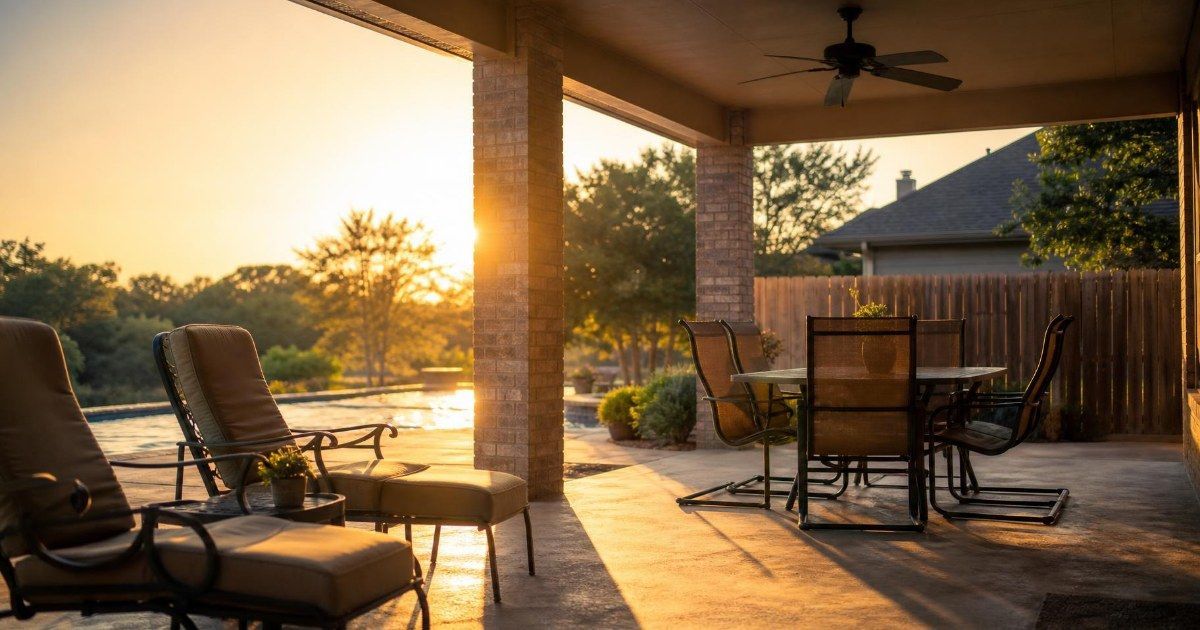
For operators in warm, high-sun markets like Texas and across the South, this matters even more. A patio without proper shade can become dead real estate for much of the day. A well-designed system, on the other hand, can turn the same outdoor space into one of the most profitable and memorable parts of the property.

Why shade matters in hospitality settings


Restaurants and hospitality venues do not just need coverage. They need performance. A dining patio, rooftop lounge, pool deck, or hotel terrace has to balance comfort, aesthetics, durability, and daily operations all at once. Guests want sun protection, but they also want the space to feel open and beautiful. Managers want flexibility, but they also need systems that are reliable and easy for staff to use.

That balance is why shade has become such a major design and revenue conversation. The sun's rays can drive surface temperatures up fast, especially on concrete, pavers, decking, and dark furniture finishes. Without a dependable shade solution, guests squint, shift seats, ask to move indoors, or skip the patio altogether. In a hospitality environment, every one of those moments costs something.

A smart commercial shade plan can help protect guests, improve comfort, and support the brand experience. It can also help protect furnishings, finishes, and equipment from long-term UV exposure. In practical terms, that means a better-looking property, a more usable layout, and an outdoor area that feels intentional instead of improvised.

The business case for a better outdoor space


In hospitality, square footage only earns when people want to occupy it. An outdoor space with no relief from the sun often becomes a narrow-window asset, usable only in the early morning or late evening. By adding well-designed shade systems, operators can create more hours of comfort, more seating flexibility, and more confidence when selling the patio for everyday service or private events.

Think about a restaurant with twenty patio seats that sit empty during lunch because the tables are blazing hot by noon. Or a hotel pool deck where guests cluster under a few umbrellas while the rest of the deck goes unused. Those are not design quirks. They are missed opportunities. The right shade structures can spread comfort more evenly across the property so guests actually use the space you already paid to build.

There is also a psychological side to it. People linger where they feel protected. A shaded patio reads as calmer, cooler, and more welcoming. It gives guests permission to settle in. For restaurants, that may support a more premium experience. For resorts and hotels, it can make the property feel more polished and guest-centered.

Types of commercial shade structures used in restaurants and hospitality


Not every hospitality property needs the same approach. A quick-service patio has different priorities than a boutique hotel courtyard. A rooftop bar has different wind and exposure conditions than a poolside cabana deck. That is why the best commercial shade structures are usually custom-fit to the property, the usage pattern, and the architectural style.

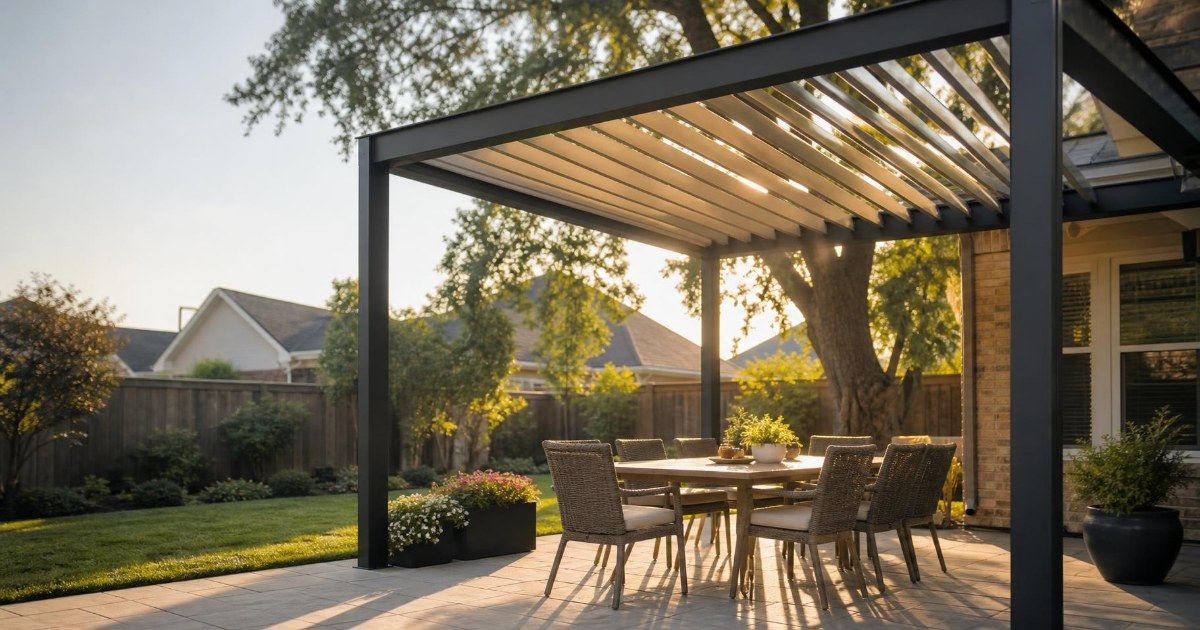
Some venues benefit from fixed canopies that establish a permanent visual identity. Others need retractable shade systems that can adapt to changing weather, service hours, and private events. The goal is not just to cover an area. It is to choose the right shade structure for how the space actually functions.

Retractable shade systems for flexible service areas


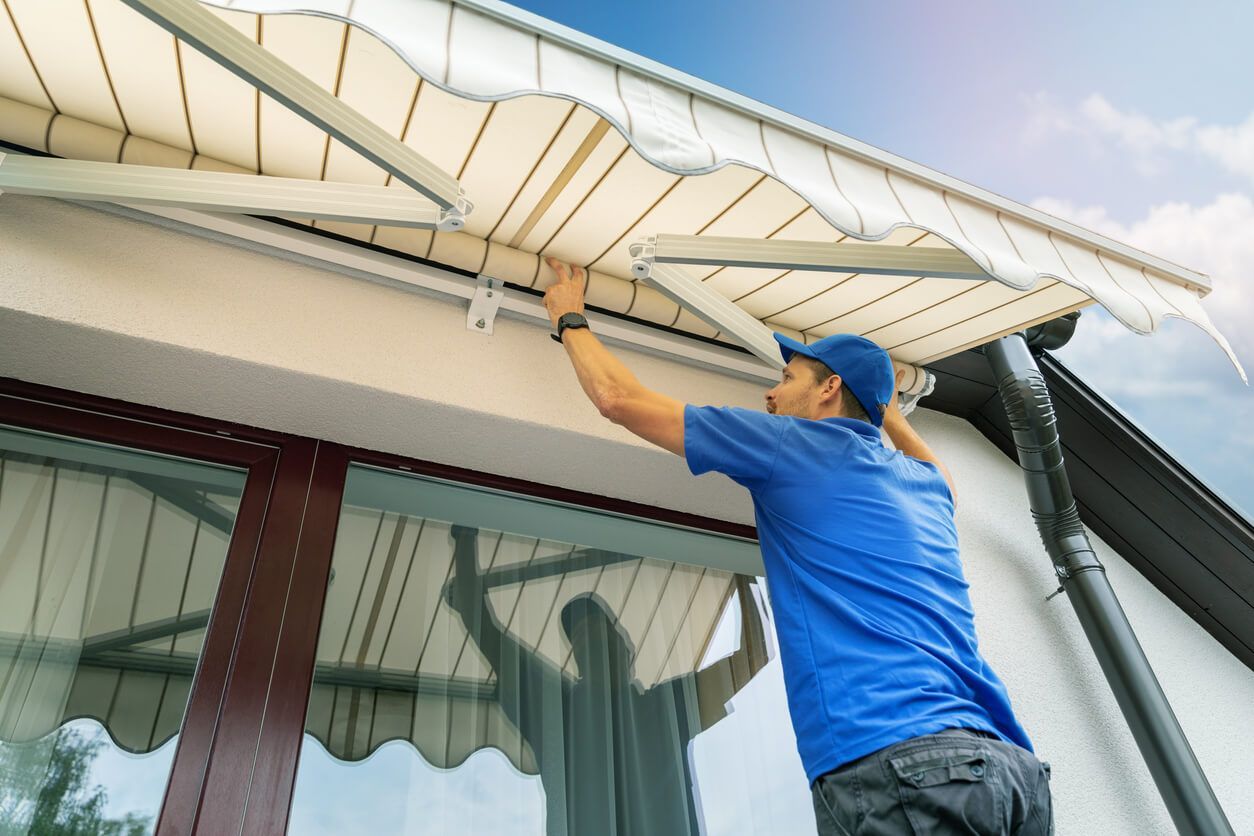
Retractable systems are especially useful in hospitality because they give operators control. During harsh afternoon sun, the shade can extend to keep dining areas cool and usable. In the evening, the system can retract to open the sky, improve ambiance, and change the feel of the space without a full redesign.

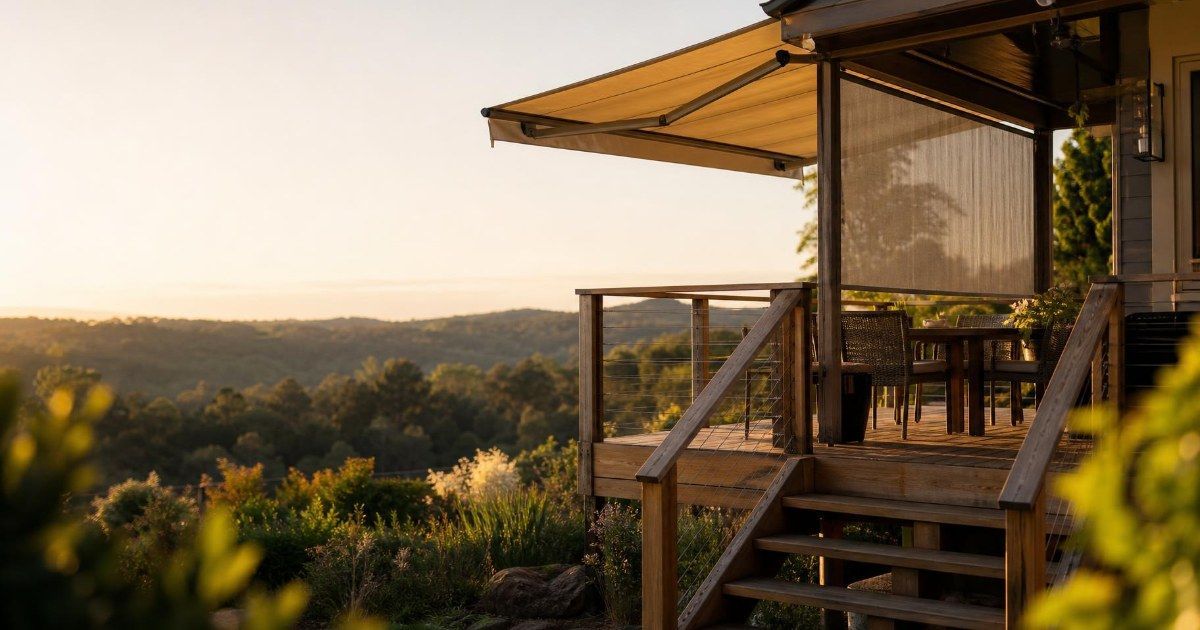
This flexibility makes retractable shade systems ideal for patios, poolside lounges, covered terraces, and event spaces that need to serve different purposes throughout the day. For restaurants, that can mean stronger lunch traffic. For hotels, it can mean a more adaptable guest experience. A retractable shade solution also helps properties preserve views while still providing protection when the sun is at its most aggressive.

Shade canopies for defined gathering zones


Shade canopies work well when a property needs clear coverage over seating clusters, waiting areas, outdoor bars, or transitional spaces near entrances. They help create a visual ceiling, which makes a large patio feel more intimate and organized.

In hospitality settings, canopies can also support branding through clean lines, attractive colors, and coordinated finishes. They can help create a polished arrival sequence for visitors and a more comfortable environment for guests standing, dining, or relaxing outdoors. When designed well, shade canopies do not feel like add-ons. They feel like architecture.

Shade sails for modern visual impact


Shade sails are often chosen for their sculptural look as much as their function. A properly designed sail system can bring motion, geometry, and modern style to a patio, courtyard, or recreational area while still delivering real sun protection.

For hospitality properties that want a lighter, more contemporary visual language, shade sails can be a strong fit. They offer virtually endless design possibilities through layered heights, angles, and shapes. A sail installation can frame a pool deck, define a bar area, or soften a hardscape-heavy courtyard in a way that feels airy rather than bulky.

Commercial shade sails are especially effective when a property wants to create a sense of destination. They draw the eye upward and can make a basic outdoor space feel more curated. In certain layouts, commercial shade sails also provide more versatility than bulkier overhead structures, particularly where open circulation and visual openness matter.

Shade structures for patios, courtyards, and pool decks


Hospitality properties usually have more than one outdoor zone, and each one behaves differently. Patios near dining rooms often need shade that supports table service and guest comfort without blocking access or sightlines. Courtyards may need softer coverage that complements landscaping and architectural details. Pool decks need systems that stand up to heavy sun, moisture, and constant guest use.

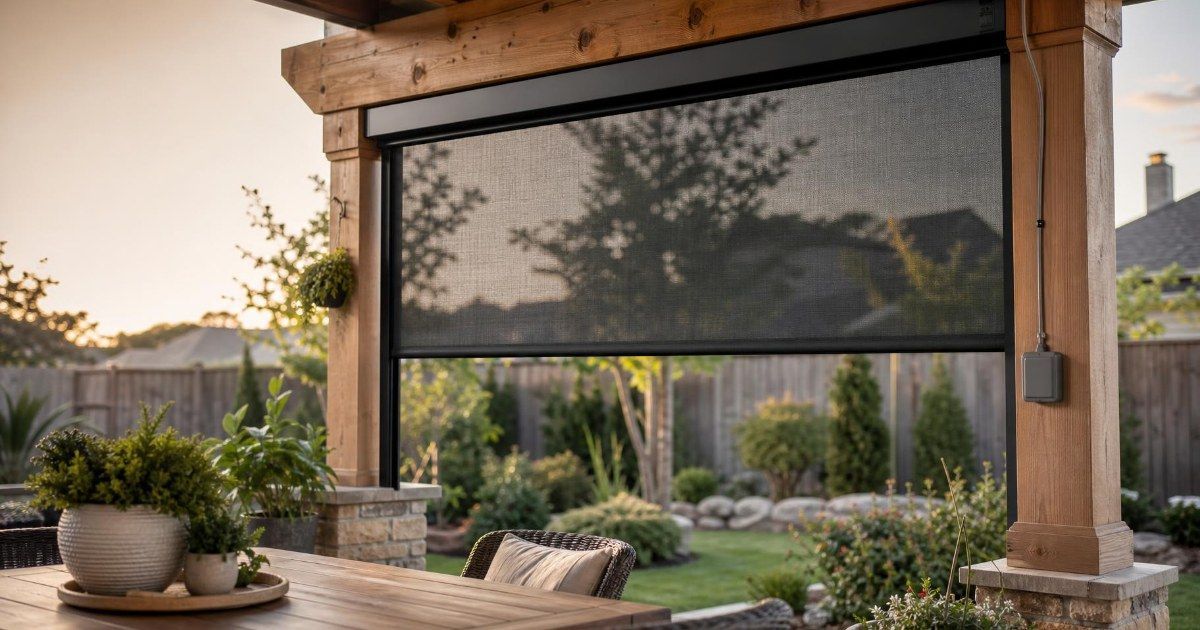
This is why thoughtful planning matters. The best shade structures are not selected from a catalog and dropped into place. They are engineered around use, exposure, drainage, mounting conditions, and guest flow. A pool deck may need canopies or umbrellas in some zones, while a restaurant patio may benefit more from retractable awnings or integrated screens.

For properties with pools, the comfort payoff is immediate. Shaded seating allows guests to stay outside longer without feeling cooked by the afternoon sun. For family-focused resorts, that kind of protection matters even more. Around pools and water parks, guests are often exposed for long stretches, and shade helps create safer, more comfortable recovery zones between swims.

Hospitality spaces that benefit from commercial shade


Restaurants are an obvious fit, but they are far from the only category that benefits from commercial shade. Hotels, resorts, breweries, rooftop lounges, country clubs, wedding venues, and mixed-use developments all rely on outdoor areas to support revenue and guest experience.

A hotel may need shade structures around pools, outdoor dining terraces, valet zones, and event lawns. A venue may need canopies over cocktail areas, ceremony seating, or bleachers for outdoor entertainment. A club may want coverage near pickleball courts or tennis courts so spectators and players have relief from the sun between sets.

Even properties adjacent to parks, playgrounds, or public-facing gathering areas can benefit from coordinated exterior shade. While hospitality projects are different from schools or municipal parks, the design logic overlaps: people stay longer where the environment feels cooler, more comfortable, and better protected. The same principles used in playgrounds, play areas, and recreational areas often translate surprisingly well to resort and family-hospitality settings.

Design considerations that go beyond coverage


A shade system has to do more than block sunlight. In hospitality, it also has to support the look and rhythm of the property. That means scale, materials, color, and operation all matter.

The most effective commercial shade structures are designed with the building, not against it. A sleek urban restaurant may lean toward modern lines, steel framing, and tensioned fabric. A resort property may prefer softer profiles, layered canopies, or systems that pair with landscaping and water features. Some venues want bold, attractive colors that stand out from the street. Others want neutral tones that disappear into the architecture.

There are also practical decisions behind the scenes. Will columns interfere with circulation or service routes? How will the structure perform in wind? Does the fabric need to filter glare while preserving outward views? Is the goal full shelter, partial coverage, or adjustable control? The answers shape the entire process.

Material quality and long-term performance


Hospitality environments are hard on exterior products. Systems face daily operation, strong UV exposure, wind, rain, and heavy guest traffic. That is why quality is not a luxury feature. It is the baseline.

The best shade structures use highest quality materials and are engineered for the realities of the site. Depending on the application, that may include durable fabric, corrosion-resistant hardware, robust motors and controls, and framing in steel or aluminum. Some projects call for a clean contemporary look rather than traditional metal profiles or heavier wood shelters. Others may benefit from a warmer design language that complements natural finishes.

Whatever the aesthetic, durability matters. A hospitality operator does not want to replace a system early because the finish faded, the fabric failed, or the structure was not properly engineered for the local climate. Good fabrication and professional installation protect that investment.

Fixed vs. retractable systems


Fixed structures offer consistency. They establish a permanent footprint and can help define a signature outdoor identity. Retractable systems offer adaptability, which is often valuable in restaurants and hotels where mood, weather, and guest expectations change throughout the day.

The right choice depends on the property. Some venues combine both. A permanent framework may anchor the space, while retractable awnings, screens, or canopies provide adjustable comfort in the most exposed areas. This layered approach can create a more refined and responsive outdoor environment.

Local climate matters more than most owners expect


In Texas and similar southern markets, the sun is not a minor inconvenience. It can be relentless. Surfaces trap heat, patios become reflective, and guests feel it almost immediately. In these climates, commercial shade is not just about aesthetics. It is operational infrastructure.

That is one reason local experience matters. A team that understands how sun angles, wind exposure, and heat load affect a patio in this region can recommend a more effective shade solution from the start. The same system that looks fine on paper in a mild coastal climate may underperform badly in a high-heat market.

This is also why some national content about parks, schools, playground equipment, or code pathways in places like Florida, Clark County, or state architect jurisdictions does not always map neatly onto hospitality projects in Texas. The broad principle is useful: the structure must be engineered for the environment and the use case. But the execution should be local, site-specific, and grounded in how the property actually operates.

A good shade partner should offer more than products


Hospitality owners and managers rarely need a vendor who simply sells canopies or umbrellas. They need a partner who can assess the site, understand the guest flow, and recommend turnkey solutions that align with both aesthetics and operations.

That means the team should be able to evaluate exposure, identify structural constraints, coordinate design options, and guide the project from proposal through installation. The process should feel clear and professional, not like a patchwork of disconnected decisions. In many cases, the best results come from working with a company that can handle design, engineering, fabrication coordination, and field execution as one integrated effort.

A strong partner will also help clients discover what is possible. Sometimes the right answer is not the first idea on the table. A property may think it needs umbrellas, only to realize a retractable system would create a cleaner look and better coverage. Or a venue may assume a fixed structure is necessary, when layered shade sails could provide more versatility and a stronger visual statement.

How the right shade structure enhances guest experience


Guests may never comment on the engineering of a shade system, but they absolutely notice the result. They notice when a brunch patio is bright without being blinding. They notice when the pool deck feels cool enough to enjoy in the middle of the day. They notice when an outdoor bar still feels usable at sunset because the space was designed with comfort in mind.

That is the quiet power of a well-planned shade solution. It enhances the experience without demanding attention. It helps create a setting where guests want to stay longer, order another round, book the event, or return with friends. In hospitality, that kind of comfort has a direct line to revenue.

And unlike trend-driven décor, functional shade improves daily life for everyone using the property. Guests benefit. Staff benefit. Operators benefit. The outdoor space becomes more dependable, more beautiful, and more useful.

Choosing commercial shade solutions with confidence


If you are planning upgrades for a restaurant, hotel, resort, or entertainment venue, start by looking at how the outdoor space actually performs during the hottest and brightest parts of the day. Where do guests avoid sitting? Where does service break down? Where does the sun push people out of the space too early?

Those pain points usually reveal the opportunity. The right commercial shade solutions can transform underperforming patios, pool decks, and gathering areas into comfortable, high-value environments that support the brand and improve the guest experience.

For hospitality properties, shade is not just overhead coverage. It is a way to create comfort, extend usability, and make outdoor square footage work like it belongs on the balance sheet. When the system is designed well, it does more than block the sun. It makes the whole property feel smarter.
Poolside Pergola for Outdoor Shade
June 9, 2026
Explore how pergolas for pools add shade, define lounging areas, and blend with outdoor designs for a more comfortable poolside space.
pergola installation cost
June 8, 2026
A pergola can completely change the way a backyard feels. What starts as a bright, underused slab of concrete or an open patch of patio can become a defined outdoor living space with structure, comfort, and real purpose. It gives a seating area a ceiling without fully closing it in. It creates shade where there was none. And when it is designed well, it makes the whole property feel more finished. That said, one of the first questions homeowners ask is simple: what is the real pergola installation cost? The honest answer is that pergola cost can vary widely depending on size, materials, site conditions, and whether you choose a basic pergola kit or a fully custom installation. A small standard pergola built from budget-friendly materials will land in a very different price range than a large motorized system with lighting, electrical wiring, and premium finishes. In this guide, we will break down average cost ranges, labor costs, material costs, design factors, and the upgrades that push pricing higher. If you are planning to build a pergola in Texas or another hot, sun-heavy market, understanding these details upfront can help you make a smart investment and avoid surprises. Average Pergola Cost at a Glance For most homeowners, pergola cost falls somewhere between $3,000 and $15,000, though custom builds can go well beyond that. A basic pergola kit installed over a small patio may sit near the lower end, while larger pergolas with premium materials and integrated features can reach $20,000 or more. A useful way to think about pricing is per square foot. Many pergola installation estimates land between $20 and $60 per square foot for simpler systems. Higher-end custom pergolas, especially those with aluminum framing, retractable canopies, louvers, or built-in lighting, can climb to $75 to $150 per square foot or more. The total cost depends on what you are building, where it is going, and how much customization is involved. What Most Homeowners Spend on Pergola Installation Most homeowners are not buying the cheapest option on paper. They are trying to solve a real comfort problem in the backyard: too much sun, not enough shade, or an outdoor area that feels exposed and unfinished. Because of that, many homeowners end up somewhere in the middle of the market. For a typical pergola installation over a patio or deck, homeowners spending usually lands around $5,000 to $10,000. That range often covers a standard pergola with professional installation, moderate site preparation, and a material choice like pressure treated pine, cedar, vinyl, or aluminum. Once you move into custom pergolas with upgraded finishes or weather-control features, the higher price tag starts to make sense quickly. Pergola Cost by Size Size is one of the biggest drivers of pergola cost. The larger the structure, the more materials, labor, anchors, and finishing work are required. A pergola over a compact sitting area is simply a different project than one spanning a full outdoor kitchen and dining zone. Here is a general idea of pergola ranges by size: 8x8 pergola: about 64 square foot 10x10 pergola: about 100 square foot 10x12 pergola: about 120 square foot 12x16 pergola: about 192 square foot 16x20 pergola: about 320 square foot At $20 to $60 per square foot, a 10x10 pergola might cost roughly $2,000 to $6,000 before upgrades. A 12x16 structure could run $3,800 to $11,500 or more. If you build a pergola with premium aluminum pergolas, custom finishes, or integrated systems, the per square foot rate rises fast. This is why larger pergolas often feel disproportionately expensive. It is not just extra lumber or aluminum. Bigger spans may require heavier posts, stronger footings, additional labor, and more complex engineering. Pergola Installation Cost by Material The materials you choose affects not only the look of the pergola, but also the upfront cost, maintenance needs, and long-term durability. Some affordable materials look good on day one but demand more upkeep over time. Others come with a higher price tag but offer low maintenance and better performance in humid climates or extreme weather conditions. When comparing material costs, it helps to think beyond the initial invoice. A pergola that needs frequent staining, sealing, or repairs may cost less at first but more over the life of the structure. Pressure treated pine pergolas Pressure treated pine is often the most affordable wood option and one of the most common choices for homeowners trying to save money. It is widely available, structurally solid, and usually the most affordable wood option for a standard pergola. A pressure treated pine pergola may cost around $20 to $40 per square foot installed, depending on design and labor rates. It works well for many backyard projects, but it does require maintenance. In humid climates, wood movement, warping, and surface wear can show up over time if the pergola is not properly sealed and maintained. Cedar and Redwood Pergolas Cedar and redwood are popular because they offer a warmer, more natural wood appearance than pressure treated pine. They also have oils that make them naturally resistant to insects and decay. For homeowners who want a wood pergola with more character, these are often strong options. Redwood tends to cost more than cedar, and both are usually priced above pressure treated pine. Expect a cedar or redwood pergola cost to land around $30 to $70 per square foot installed, depending on the finish, post size, and design complexity. A custom wood pergola built from redwood can look stunning, especially when the wood grain is highlighted with stain, but it will still need maintenance to keep that finish looking sharp. Vinyl Pergolas Vinyl and aluminum pergolas appeal to homeowners who want a cleaner look and fewer maintenance headaches. Vinyl can be a solid option for a traditional pergola appearance without the routine sealing and staining of natural wood. Vinyl often falls around $25 to $50 per square foot installed. It is generally low maintenance, but quality matters. Lower-end products can feel a bit hollow or plasticky, especially in intense sun. Better systems are reinforced and weather resistant, but they may still lack the richness of a custom wood pergola. Aluminum Pergolas Aluminum pergolas are increasingly popular, especially in hot-weather markets where durability and low maintenance matter. A well-built aluminum structure is rust resistant, weather resistant, and well suited to humid climates. It also works beautifully for modern homes and contemporary patio designs. Installed aluminum pergolas often start around $40 per square foot and can easily exceed $100 per square foot for motorized or louvered systems. The upfront cost is higher, but many homeowners like the tradeoff: less maintenance, clean lines, and excellent long-term performance. In many cases, aluminum pergolas are the smarter investment for a heavily used outdoor living space. Labor Costs and Installation Pricing Labor costs are a major part of any pergola installation. In many cases, labor accounts for 30% to 50% of the total project cost. A simple pergola kit on a level patio is one thing. A custom structure tied into existing structures, adjusted for slope, or built around outdoor kitchens and lighting plans is another. Labor costs typically include layout, footing work, anchoring, framing, assembly, leveling, trimming, and finish work. Local labor rates also matter. In busy metro areas or regions with strong demand for outdoor upgrades, labor rates can push the estimate higher. Professional installation usually costs more than a DIY route, but it can prevent expensive mistakes. A pergola is not just decorative. It is a structural element exposed to wind, rain, heat, and constant movement in the outdoor environment. If the posts are not anchored properly or the structure is not engineered for the site, the savings disappear quickly. Pergola Kit vs Custom Pergolas A pergola kit can be a good fit for homeowners who want a faster, more standardized solution. A typical pergola kit comes with pre-cut materials, hardware, and assembly instructions. Some are wood, some are vinyl, and some are aluminum. A diy pergola kit can reduce upfront cost, especially if you handle part of the work yourself. But pergola kit pricing is not always apples to apples with custom pergolas. Kits often assume ideal site conditions, standard dimensions, and fewer design changes. Once you add delivery, anchoring, concrete work, staining, or professional installation, the total cost can move closer to a custom job than people expect. Custom pergolas cost more because they are designed around your exact outdoor area. That matters when the patio is oversized, the slab is sloped, the home has unusual rooflines, or you want the pergola design to match existing structures. Custom builds also make room for details like integrated shade systems, lighting, fans, and tailored proportions that make the final result feel intentional rather than off-the-shelf. Site Preparation and Hidden Costs The part homeowners often overlook is site preparation. You may be focused on the pergola itself, but the installation crew has to deal with the actual conditions on the ground. If the patio is uneven, if drainage is poor, or if there is no suitable footing location, the project gets more complicated. Site preparation can include clearing the area, removing old concrete, pouring footings, reinforcing a slab, adjusting for elevation changes, or working around existing structures. These issues add additional labor and additional materials. They also add time. This is one reason pergola installation cost can vary wildly from one house to the next. Two homes may want the same pergola kit, but one goes onto a clean level pad while the other needs demolition, layout changes, and custom anchoring. Same product, very different project. Building Permits and Local Code Requirements Depending on where you live, building permits may be required for pergola installation. This is especially true for larger pergolas, attached systems, motorized units, or structures with electrical wiring. Local building codes may also dictate footing depth, post size, setbacks, wind ratings, and attachment methods. Building permits and code compliance can add additional fees to the total project cost, but they are not optional details to brush aside. In areas with strong wind exposure or intense weather, code requirements exist for a reason. A pergola should look beautiful, but it also needs to behave like a real structure when the weather turns rough. If you plan to build a pergola with lighting, fans, heaters, or motorized shade, local building codes become even more important. Electrical wiring must be installed safely and correctly, and permit requirements may expand once power is involved. Extra Features That Increase Total Cost Base pricing only tells part of the story. The features you add can transform a simple pergola into a true outdoor living space, but they also increase the total cost. Extra features that commonly raise pergola cost include: Motorized shade systems Retractable canopies Louvered roofs Lighting packages Ceiling fans Electrical wiring Privacy walls or screens Upgraded stains and finishes Decorative post wraps Integrated drainage These custom features can make a huge difference in comfort and usability. A pergola with no shade control may look great in photos but feel too hot in a Texas summer. A pergola with integrated shade and airflow control can turn a patio into a usable room for much more of the year. Maintenance and Long-Term Ownership Costs Maintenance matters more than people think. A wood pergola can be beautiful, but it comes with maintenance needs. Depending on the species and finish, you may need to stain, seal, clean, and inspect it regularly. Natural wood has character, but it also moves, ages, and reacts to heat and moisture. That is why many homeowners are drawn to vinyl and aluminum pergolas. These materials are generally low maintenance and easier to keep looking clean. Aluminum in particular is attractive for buyers who want something modern, durable, and rust resistant without committing to regular refinishing. If your goal is long-term value with less upkeep, low maintenance materials may justify the higher upfront cost. If your goal is warmth, texture, and classic wood charm, then a wood pergola may still be the right choice. It depends on how you want the structure to live over time, not just how it looks on install day. Does a Pergola Add Home Value? In many cases, yes. A well-designed pergola can improve home value by making the backyard more functional and visually appealing. It helps define the outdoor space, creates usable shade, and can make a patio feel like an extension of the house rather than an afterthought. That does not mean every pergola delivers the same return. A poorly placed or cheaply built pergola may not do much for home value. But a thoughtfully designed structure that fits the home, improves comfort, and enhances the outdoor living space can absolutely make the property more attractive to future buyers. This is especially true in markets where outdoor entertaining matters. A new pergola over a dining area, lounge zone, or poolside patio can make a strong impression because buyers can instantly picture themselves using it. When Is the Best Time to Build a Pergola? If you want the best scheduling flexibility, the off season is often a smart time to start. Late fall and winter may offer easier scheduling than the spring rush. Some contractors may also have more room to fine-tune the design and timeline before demand spikes. Early spring is another popular window because homeowners want the project finished before summer heat sets in. The catch is that early spring often books up fast. If you wait until everyone else is thinking about shade, you may be looking at several weeks before installation begins. Planning ahead also gives you time to compare materials, evaluate pergola ranges, and decide whether a pergola kit or custom system makes more sense for your backyard. How to Save Money Without Cutting Corners If you want to save money on a pergola project, the goal should not be to strip everything down until the final result disappoints you. The better strategy is to spend where performance matters and simplify where it does not. A few smart ways to save money include choosing a standard pergola size, limiting custom builds, using affordable materials where appropriate, and avoiding unnecessary decorative add-ons. Pressure treated pine remains an affordable wood option for many homeowners. A pergola kit can also reduce cost if your site is simple and your expectations are realistic. You can also save money by planning the full project early. Last-minute changes create additional labor, additional materials, and delays. The cleaner the scope, the smoother the installation. That matters whether you are building pergolas for a compact patio or a large backyard entertaining zone. So, How Much Should You Budget? A realistic budget for pergola installation depends on what kind of structure you want to live with for the next ten or fifteen years. For a simple pergola kit, you may spend a few thousand dollars. For a mid-range custom installation, many homeowners land in the $5,000 to $10,000 range. For premium aluminum pergolas or highly customized systems with shade controls and electrical wiring, the total project cost can move well above that. The best way to think about pergola installation cost is not as a single number but as a spectrum. Materials, labor, size, design complexity, permits, and features all shape the final price. And in a climate where heat and sun can make an outdoor area feel unusable for half the day, the right pergola is not just a decorative add-on. It is a comfort upgrade. If you are comparing options, focus on how the pergola will actually perform in your space. The cheapest route is not always the best value. A well-built pergola that matches your home, handles the weather, and creates real shade can pay you back every time you step outside and actually want to stay there.
custom outdoor shades
June 4, 2026
See how custom outdoor shades are measured and designed to fit your patio and create a seamless outdoor living space tailored to your home.
May 6, 2026
Planning an outdoor upgrade? Learn how long pergola installation takes, from 1-day modular setups to custom motorized systems. Explore the factors that affect your timeline.
May 4, 2026
Aluminum vs wood pergola comparison covering maintenance, durability and lifespan. Find out which option is best for long term outdoor living.
May 4, 2026
Retractable pergola systems give you flexible shade and comfort. Learn the pros, cons, and best backyard uses to decide if it is the right fit for your space.
May 4, 2026
Louvered pergola systems let you control sun, shade and airflow. Learn how they work, key benefits and why they are ideal for outdoor living spaces.
April 29, 2026
Discover how wind resistant shade systems protect coastal and high-wind patios. Compare motorized shades, awnings, and guide rails built to last.
April 1, 2026
Outdoor solar shade openness comparison guide. Learn how openness affects UV protection, view, and privacy to choose the best option.
April 1, 2026
How much do motorized patio shades cost in Texas? See real prices, cost factors, and what homeowners can expect before installing.