Designing Flush-Mounted Motorized Screens Into New Home Construction
Minimalist architecture is unforgiving. A beautiful modern exterior can be undone by one bulky aluminum box hanging under a beam like an afterthought. That is exactly why flush mount patio shades need to be considered during design development, not after drywall, stone, and steel are already locked in.
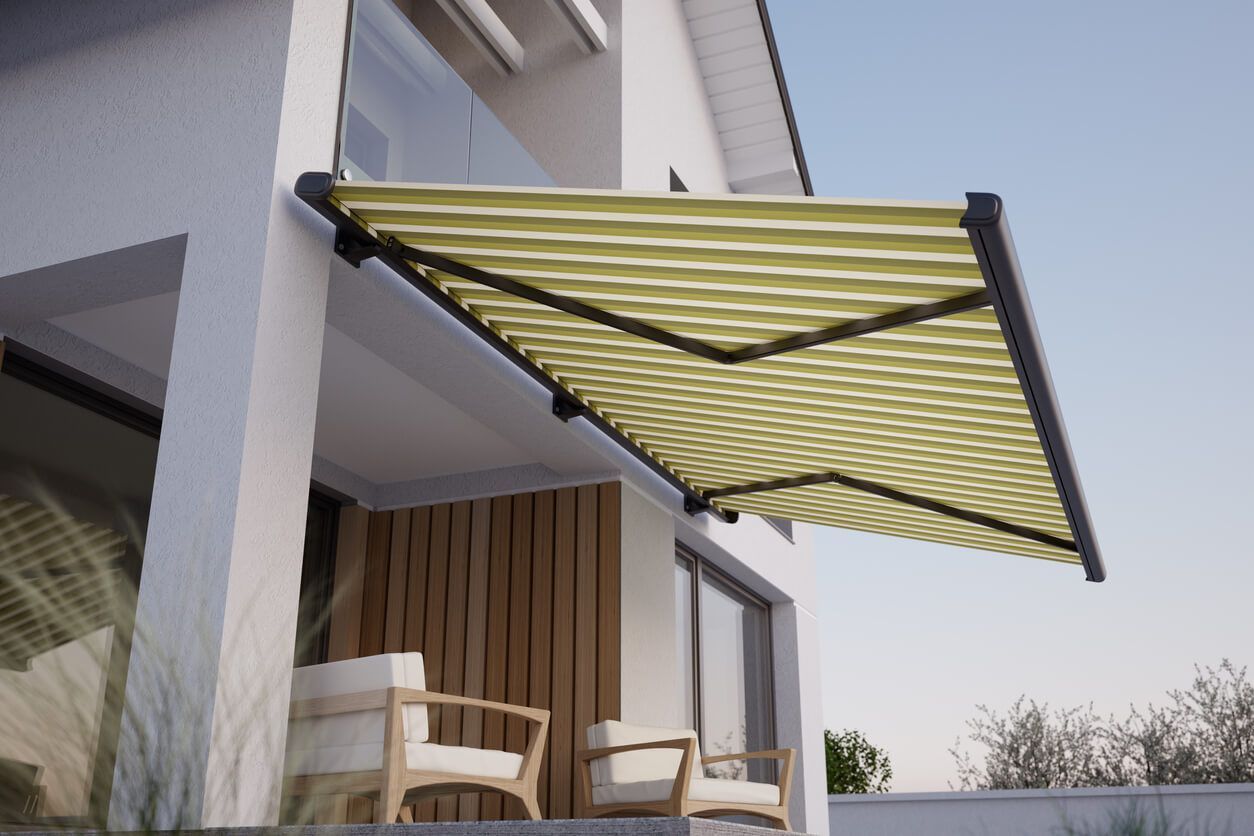
For luxury home architects, custom framers, and designers, the goal is not simply to add an outdoor shade system. The goal is to make the system disappear until it is needed. When the screen is retracted, the eye should read clean beams, uninterrupted ceiling planes, crisp pillar lines, and a seamless transition from inside to outside. No exposed roller housing. No proud-mounted tracks. No visual clutter competing with the architecture.
That result is possible, but only when the structure is framed to receive the screen system from the beginning. A flush-mounted installation depends on pocket depth, header planning, track alignment, finish tolerances, and coordination between trades. If those pieces come together early, the final effect is elegant and quiet. If they do not, even a premium motorized system can look bolted on.
Why Flush-Mount Planning Has to Happen Before Framing Is Complete
A recessed screen system is not just a product choice. It is a construction detail. The pocket that hides the roller, motor, brackets, and related components has to be built into the header area with enough depth, width, and service access to support the unit and its operation over time.
This is where many projects drift off course. The architect may draw a broad covered patio with strong horizontal lines, but unless the framing contractor receives a clear reference for the recessed mount, the beam depth may be too shallow or the finish build-up may consume the cavity. By the time the installer arrives, there is no room left for the roller assembly without dropping below the ceiling plane.
On a high-end build, that is the difference between a hidden system and a compromise. The structure has to be made to measure for the screen, not the other way around. In practical terms, that means identifying the maximum size of each opening, the screen fabric type, the side track requirement, the motorization package, and the exact mount condition before exterior finishes begin.
It also means understanding that flush-mounted motorized patio shades are less forgiving than surface-mounted blinds. A little missing depth in a window frame or patio beam matters. A little drift in pillar plumb matters. A little inconsistency in stone coursing matters. Minimalist design rewards precision and punishes improvisation.
The Hidden Pocket: What the Structural Header Must Accomplish
The recessed pocket above the opening has one job visually and several jobs mechanically. Visually, it conceals the roll housing so the shade disappears when open. Mechanically, it must support the motor, brackets, fasteners, and the live load behavior of the moving screen across repeated operation cycles.
Think of the pocket as a garage for the roller system. If the garage is too shallow, the door never closes cleanly. If it is too narrow, the unit binds during installation. If it lacks access, future service becomes invasive and expensive. The pocket should be sized with enough depth to receive the manufacturer-specified roller diameter, housing, and tolerances for the fabric roll as it stacks onto itself. Larger spans need more depth because the roll diameter increases with width and fabric weight.
Header planning should also account for finish thickness. Stone veneer, tongue-and-groove ceilings, stucco, rainscreen assemblies, and trim packages all eat into available depth. A framing cavity that looks generous on paper can become tight once the finish wall and ceiling layers are installed. That is why seasoned teams review the rough opening, finish schedule, and final mount line together.
It is equally important to preserve a clear service path. You want the system hidden, but not entombed. A removable access panel, trim reveal, or coordinated soffit detail can maintain the clean look while still allowing technicians to reach the motor or control components if needed later.
Flush Side Tracks in Stone and Brick Columns
The cleanest projects do not stop at recessing the headbox. They also bury the vertical tracks into the support pillars so there is no exposed side channel interrupting the masonry. This is often the defining move that separates a decent installation from an exceptional one.
When tracks are flush-mounted into stone, brick, or wrapped structural columns, the screen reads like it emerges from the architecture itself. The edge of the fabric insert disappears into a narrow reveal rather than a visible aluminum extrusion. The result is a calmer elevation and a more convincing indoor-outdoor transition.
This detail takes coordination. The mason, framer, and installer need a shared reference for track depth, width, and alignment. The pocket in the pillar has to be straight, stable, and dimensionally consistent from top to bottom. If the recess pinches or wanders, the side track may rack, the fabric edge may drag, and the screen may not maintain proper wind control.
Material selection matters too. Natural stone can vary in thickness. Brick joints can drift. Even beautiful work can create subtle irregularities that affect a precision track system. On projects like these, mockups are worth their weight in steel. A small sample section can reveal whether the planned mount detail will actually deliver the clean lines shown in the rendering.
For openings where side retention is essential, motorized outdoor shades with side track are often the best reference point for understanding how the system behaves once integrated into the structure.
Designing Around the Window Frame, Door Line, and Outdoor Opening
Luxury homes increasingly blur the line between a giant window wall, a sliding door system, and a covered outdoor room. That makes screen planning more nuanced than simply measuring one patio opening. The screen system has to relate to the window frame, door stack, ceiling line, and support wall as a unified composition.
For example, if an outdoor shade is mounted just outside a multi-slide door, the recessed pocket should align with the architectural geometry of the opening. If it lands awkwardly below the transom line or interrupts the window frame rhythm, the visual effect is off even if the operation is flawless. The screen should feel integrated, not appended.
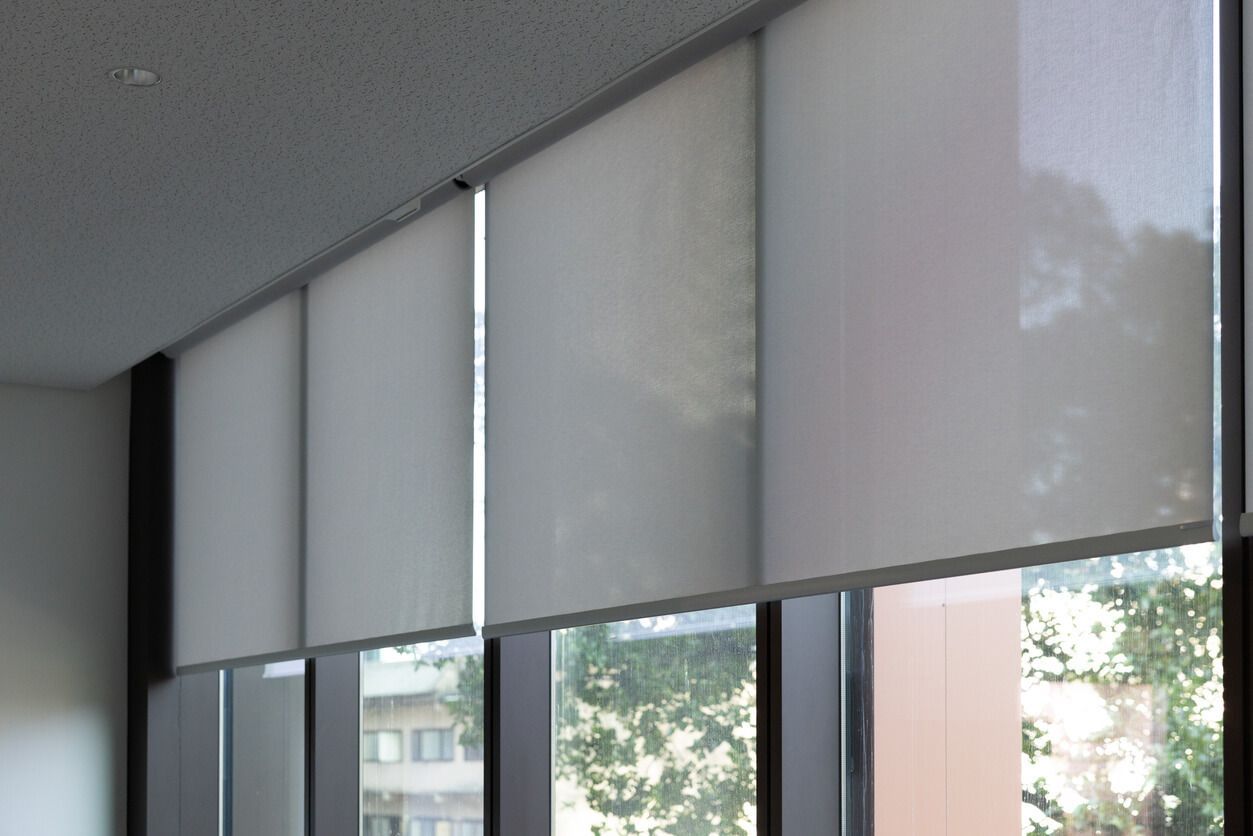
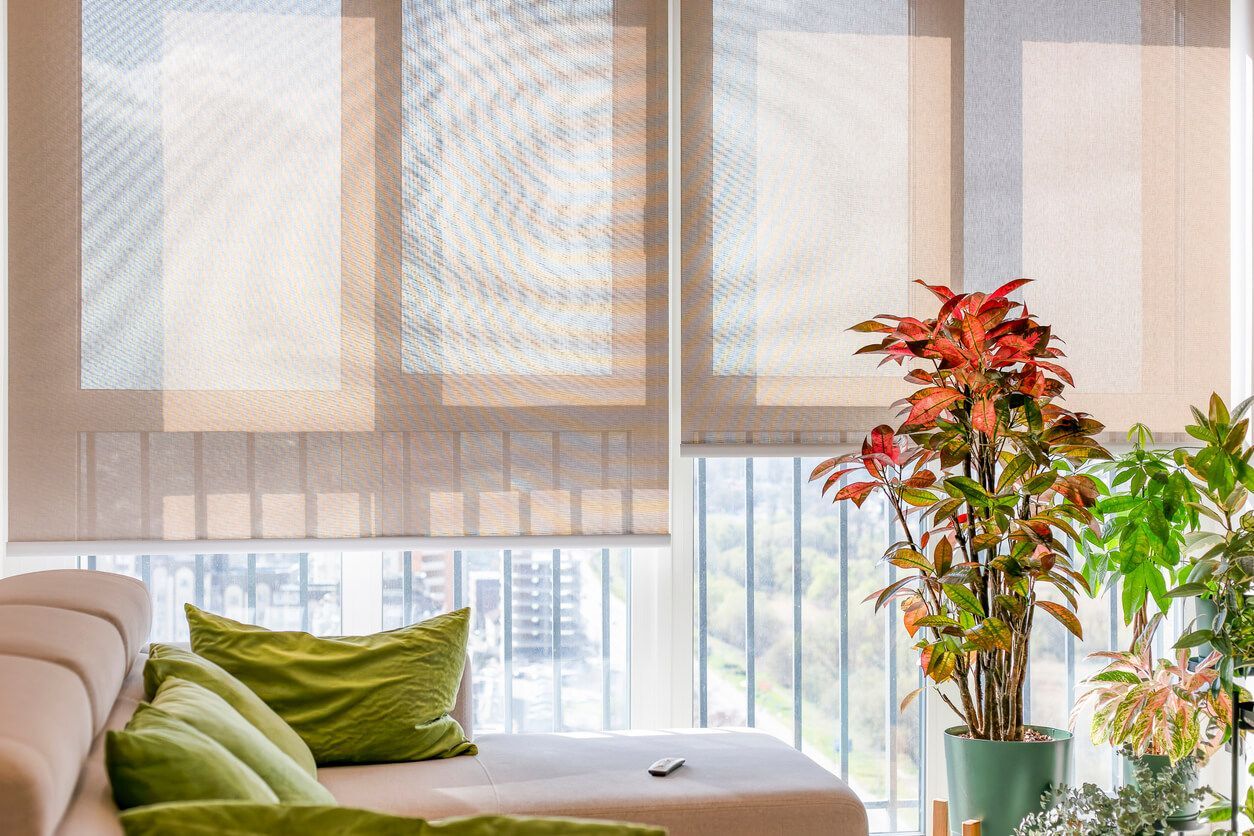
This is also where solar shades become valuable in the design conversation. In modern homes with expansive glass, solar shades help manage heat, privacy, and reducing glare without sacrificing the view. Outside-mounted solar shades can lower solar gain before the sun reaches the glass, which is often more effective than relying only on inside blinds or interior window treatments.
The same principle applies to outdoor living rooms and covered porches. A flush-mounted screen can protect the space from low-angle sun, uv rays, and glare while still preserving natural light and airiness. The structure remains visually open until the shade is deployed, then shifts into a more comfortable enclosure with one touch of a remote control.
Depth, Width, and Tolerances That Designers Should Review Early
Most failures in concealed screen design are not dramatic. They are incremental. A half inch lost here, a finish layer added there, a bracket conflict discovered too late. That is why early review matters so much.
Start with opening width and depth. Large spans demand larger roller tubes, more robust motor assemblies, and more room for the fabric to roll evenly. The deeper the pocket, the easier it is to keep the system fully concealed. The narrower the tolerances, the more critical accurate measure and shop review become.
Then review the vertical conditions. If the side tracks are to be recessed into a pillar or wall, verify the available depth after finish materials are applied. Check the distance from the face of the window frame or door frame to the inside of the recess. Make sure the screen path clears handles, trim projections, lighting, and any decorative edge condition.
Also note bottom conditions. Where does the shade land when fully lowered? Onto slab, onto a recessed receiver, or above a railing? If the goal is privacy, bug reduction, and blocking late-day sun, the drop height has to be coordinated with actual use. A screen that stops too high can leave glare and heat pouring in at seating level.
On custom projects, the safest path is a detailed field review before fabrication. How
custom outdoor shades are measured and designed gives a helpful look at why exact dimensions, mounting conditions, and site-specific constraints matter so much.
Why Solar Shades Work So Well in Minimalist Outdoor Architecture
Not every fabric behaves the same way, and fabric selection has a direct impact on the architecture. Solar shades are especially effective for modern builds because they perform without looking heavy. They filter sun, soften glare, and reduce heat while maintaining a refined, tailored appearance.
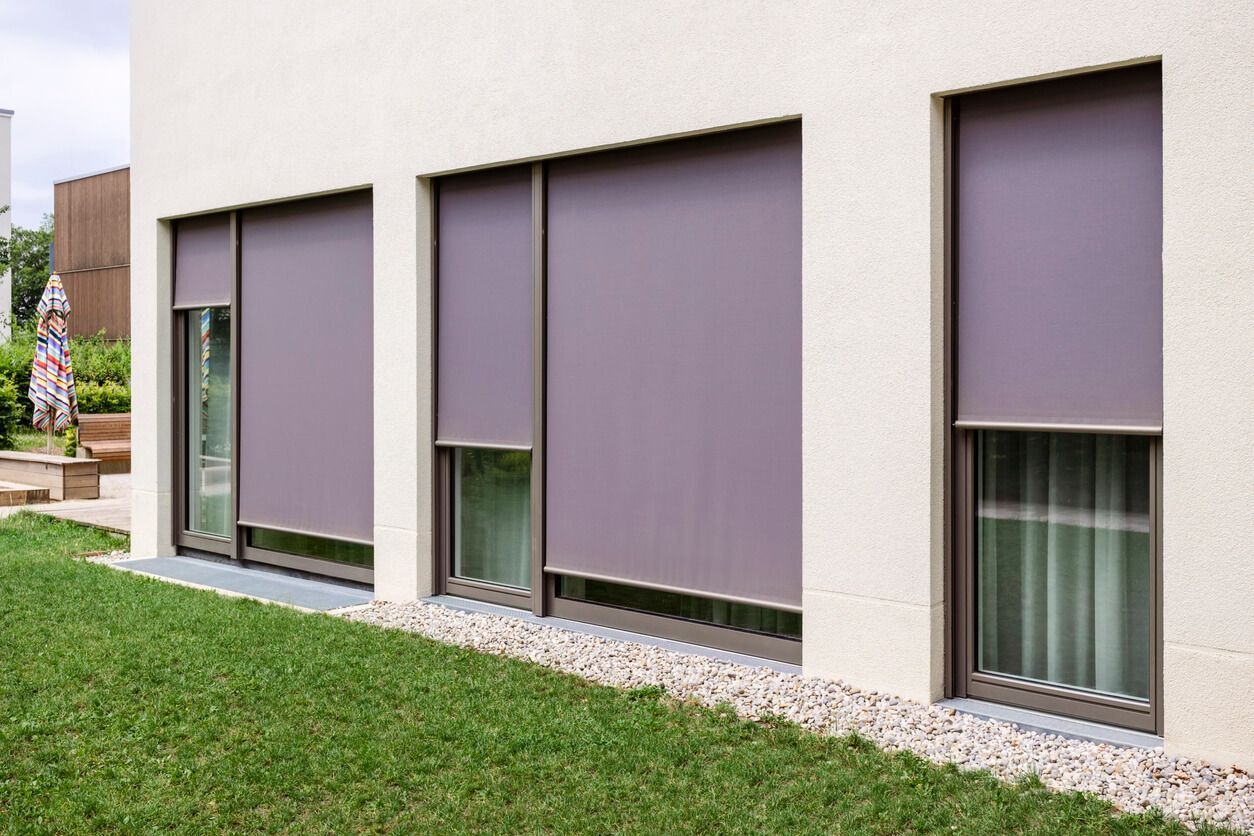
In a flush-mounted application, solar shades can preserve the clean visual language of the home because the fabric insert rolls into a concealed pocket and vanishes almost completely when retracted. When deployed, the screen plane is simple and flat rather than fussy or overbuilt. That matters in homes where every line is deliberate.
Designers should still review openness, color, and seam layout carefully. Darker solar shades often preserve outward visibility better during the day, while lighter fabrics can change the amount of natural light entering the adjacent room. Depending on orientation, reducing glare may be the main objective on one elevation, while privacy or heat control may drive the choice on another.
Fabric width limits can also affect panel strategy. If the opening is very wide, seams may be required. That is not necessarily a problem, but it should be discussed early so the visual result matches expectations. A minimalist facade depends on disciplined repetition and proportion. Even small fabric seams or edge details deserve review.
Control Planning: Power, Access, and Automation Without Visual Clutter
A hidden screen still needs power, control wiring, and a service strategy. The best projects treat these as architectural details, not
afterthoughts.
At minimum, the design team should establish where power enters the pocket, where the motor connections live, and how the installer will access them. Some systems may be compatible with broader home automation platforms, while others may rely on dedicated remote control devices, wall switches, or app-based control. Whatever the option, the visible interface should be as restrained as the screen itself.
This is especially relevant in modern homes where clients expect motorized patio shades to work as effortlessly as their lighting scenes or audio zones. They want to manage sun exposure, privacy, and comfort without walking outside to wrestle with manual blinds. A well-integrated control plan turns the screen into part of the home’s rhythm rather than a seasonal accessory.
In certain scenarios, backup power conversations also come up. Some homeowners ask about a solar panel trickle setup or low-voltage integration, though the right solution depends on the project and system. The key point is that motorization should be coordinated early enough that no conduit or control path ends up exposed on a finished wall or ceiling.
If the project team needs a straightforward overview, how motorized shades work is a practical starting point for understanding the relationship between motor, controls, and daily operation.
Wind, Weather, and the Reality of Outdoor Performance
Minimalist design does not exempt a project from physics. Outdoor shade systems still have to deal with wind, heat, sun, and occasional weather exposure. A flush-mounted installation should never sacrifice performance for aesthetics.
That means reviewing the opening orientation, the exposure of the porches, and the likelihood of strong winds moving through the outdoor room. Recessed tracks can improve the visual result, but the system still needs proper retention, stable mounting, and appropriate fabric selection for the site conditions. Waterproof expectations should also be set carefully. Most screen fabrics are excellent at blocking sun, reducing glare, and improving comfort, but they are not the same thing as a sealed storm enclosure.
In Gulf Coast and Texas markets, this conversation matters even more. Homes in these climates often need serious heat and sun management without losing the open-air feeling that makes the architecture attractive in the first place. The right outdoor shade system can reduce solar load and create a more comfortable patio, but only if the design team reviews wind exposure and installation details honestly.
That is one reason
Shade Doctor’s work in demanding regional climates has been so relevant to custom builds. In hot-weather markets, reducing heat outside the glass is not a luxury talking point; it is a practical design strategy.
Common Mistakes That Ruin the Minimalist Effect
The first mistake is waiting too long. Once framing is complete and masonry is underway, the opportunity for a truly flush mount may already be gone. The project may still get a motorized shade, but not the invisible one the architect imagined.
The second mistake is underestimating pocket depth. A screen system needs room for the roller, fabric, brackets, and motor. If the beam or soffit does not provide enough depth, the housing becomes visible below the ceiling line.
The third mistake is treating the side tracks as a finish trade issue instead of a structural coordination issue. If the wall recess is not straight, plumb, and correctly sized, the installed track can look uneven or perform poorly.
The fourth mistake is skipping service access. Hidden should not mean unreachable. A beautiful flush mount detail that requires demolition to replace a motor is not a successful detail.
And the fifth mistake is ignoring the relationship between the screen and the surrounding window frame or door geometry. In minimalist homes, proportion is everything. The screen system should reinforce the architecture, not interrupt it.
The Design Payoff: A Patio That Stays Visually Quiet
When flush-mounted
motorized patio shades are planned correctly, the result feels effortless. The ceiling plane stays clean. The pillars stay sculptural. The outdoor room remains open to natural light, then transforms into a shaded retreat when the sun shifts or privacy is needed.
That is the real value of integrating the system during new construction. You are not merely adding shade. You are preserving the architecture. The home keeps its sharp lines and edited palette, while still gaining the practical benefits clients want: reducing glare, controlling heat, improving comfort, and making outside living more usable throughout the day.
For architects, framers, and designers working on modern custom homes, the lesson is simple. If you want the screen to disappear, the structure has to invite it in from the start. The best flush-mounted systems are not decorative add-ons. They are built into the bones of the project, hidden in plain sight, and ready when the sun arrives.