Pergolas for Pool Areas vs Other Shade Structures: Key Differences
A pool without shade looks great in photos and feels brutal at 2:30 in the afternoon. The water glitters, the stone heats up, the furniture gets too hot to touch, and suddenly the part of your backyard that should feel like a retreat feels more like a skillet. That is exactly why more homeowners start looking seriously at pergolas for pools once they realize an outdoor pool needs more than a few umbrellas scattered around the edge.
A well-designed pergola does more than add style. It shapes the entire pool area, creates a place to relax between swims, makes the pool deck more usable in full sun, and helps connect the water to the rest of the house and outdoor living layout. But a pergola is not the only option. Shade sails, umbrellas, gazebos, retractable awnings, cabanas, and covered patios all compete for attention.
So how do you know which shade structure actually makes sense for your backyard? The answer depends on how you use your poolside spaces, how much shade you want, what kind of style fits your home, and whether you want a simple accent or a true outdoor living space.
Why homeowners choose a pergola near a pool
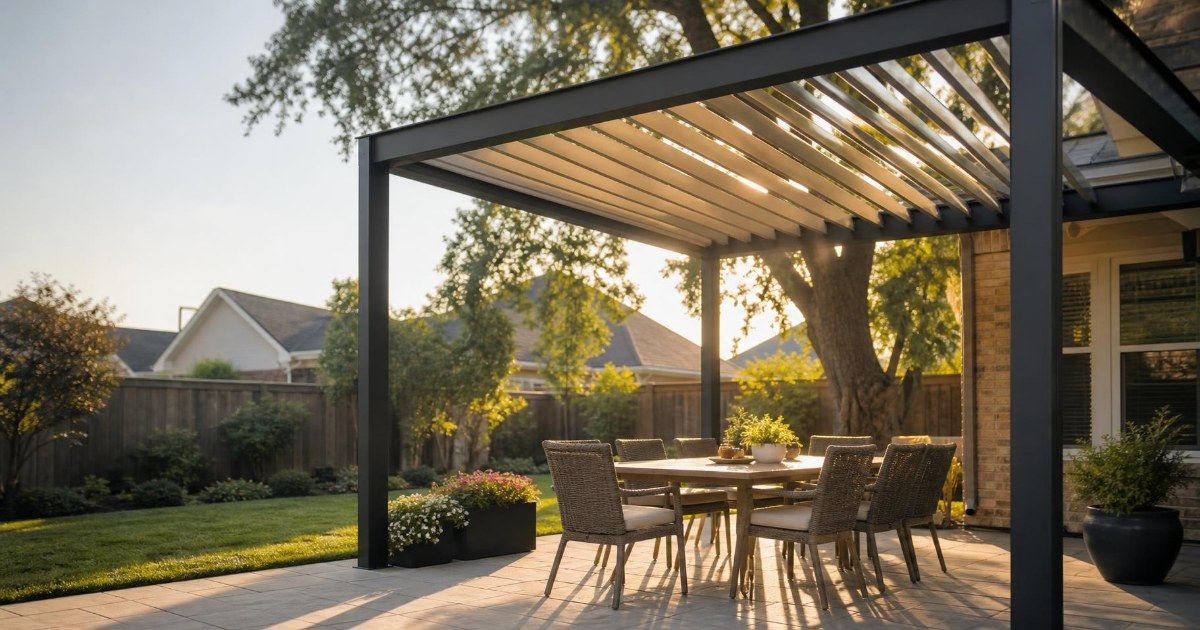
A pergola works differently than a fully covered roof. Instead of sealing off the sky, it frames it. That open air feeling is a big reason a pool pergola is so popular. You still get breeze, filtered sun, and a lighter, airy look that feels right around water.
For many homeowners, a poolside pergola hits the sweet spot between function and design. It gives the pool deck structure without making the area feel boxed in. It can define a lounge area, cover an outdoor dining table, create a transition to an outdoor kitchen, or turn an unused corner near a hot tub into a destination.
There is also a visual reason pergolas for pools keep showing up in high-end backyard projects. Water already reflects light and movement. A pergola adds vertical lines, rhythm, and proportion. It gives the eye somewhere to land. Without that, a large pool area can feel flat and unfinished, like a room with no ceiling fan, no rug, and no focal point.
What makes a poolside pergola different from other shade options
The biggest difference is flexibility in design. A poolside pergola can be attached to the house, freestanding over part of the pool deck, or integrated into a larger outdoor living plan. It can be built in wood, aluminum, or metal, with clean modern lines or a more classic look.
Unlike a basic umbrella, a shade pergola becomes part of the architecture. Unlike a gazebo, it usually keeps the area visually open. Unlike a temporary canopy, it is meant to stay put and hold its own through changing weather. That matters around a pool, where wind, moisture, and constant exposure to sun can punish lighter materials fast.
Another major difference is how a pergola helps create zones. A poolside pergola can separate dining from soaking, lounging from grilling, or a quiet relaxation corner from a more active entertainment setup. In other words, it does not just provide shade. It helps organize the outdoor space.
Pergola vs umbrella: convenience versus permanence
Umbrellas are often the first thing people buy for a pool area because they are easy. You can shop for one in an afternoon, drop it beside a few chairs, and instantly get a patch of shade. For small patios or short-term needs, that can work.
But umbrellas have obvious limits. They cover a narrow footprint, move in the wind, wear out faster, and rarely make the pool deck feel cohesive. They solve one small heat problem without really improving the backyard. They are accessories, not anchors.
A poolside pergola is a more permanent structure with far more design impact. It can cover a larger space, tie together furniture and lighting, and feel intentional rather than improvised. If your goal is to create a great place to relax, dine, or host guests, a pergola usually outperforms umbrellas by a mile.
That said, umbrellas still have a role. Some homeowners use a shade pergola as the main structure and keep one or two umbrellas nearby for movable shade provided exactly where they need it during different times of day. That combination can work especially well on a broad pool deck with changing sun angles.
Pergola vs gazebo: openness versus full coverage
Gazebos appeal to homeowners who want a roof with more complete protection. They usually have a solid roof, a more enclosed structure, and stronger shelter from direct sun and light rain. If you want to sit outside during a shower or create a fully covered dining area, a gazebo can make sense.
But around an outdoor pool, a gazebo can sometimes feel too heavy. Because it is more enclosed, it can interrupt sightlines and reduce that breezy poolside character people usually want. The structure often becomes its own separate destination rather than blending naturally into the pool area.
A pool pergola feels lighter. It leaves room for sunlight to filter through, supports a more open air atmosphere, and usually complements the water better aesthetically. If you want a modern, resort-like look, pergola designs often feel more current than a bulky gazebo.
The tradeoff is coverage. A pergola does not block the elements the same way a full roof does unless you add upgrades like retractable fabric, a canopy, or a louvered roof. For homeowners who want a balance of sun, shade, and flexibility, that is often a feature rather than a drawback.
Pergola vs shade sail: finished look versus minimal cost
Shade sails can be effective, especially for contemporary homes. They are relatively affordable, quick to install, and useful for blocking harsh sun over a pool or hot tub. In some settings, the angular fabric look can feel sharp and modern.
Still, a shade sail is usually more limited in style, durability, and long-term versatility. It may not match the house as naturally. It may sag, fade, or require more seasonal adjustment. And while it creates shade, it does not usually create a true living space.
A shade pergola gives you more options for incorporating lighting, led lighting, privacy panels, climbing vines, or decorative details that make the space feel complete. It also tends to look more substantial on the property, especially when paired with matching finishes, a coordinated outdoor dining space, or lounge furniture.
If a shade sail is like stretching a tarp between ideas, a pergola is more like building a room without walls. That distinction matters if your goal is not just to cool the poolside, but to transform how the whole backyard works.
Pergola vs covered patio or awning
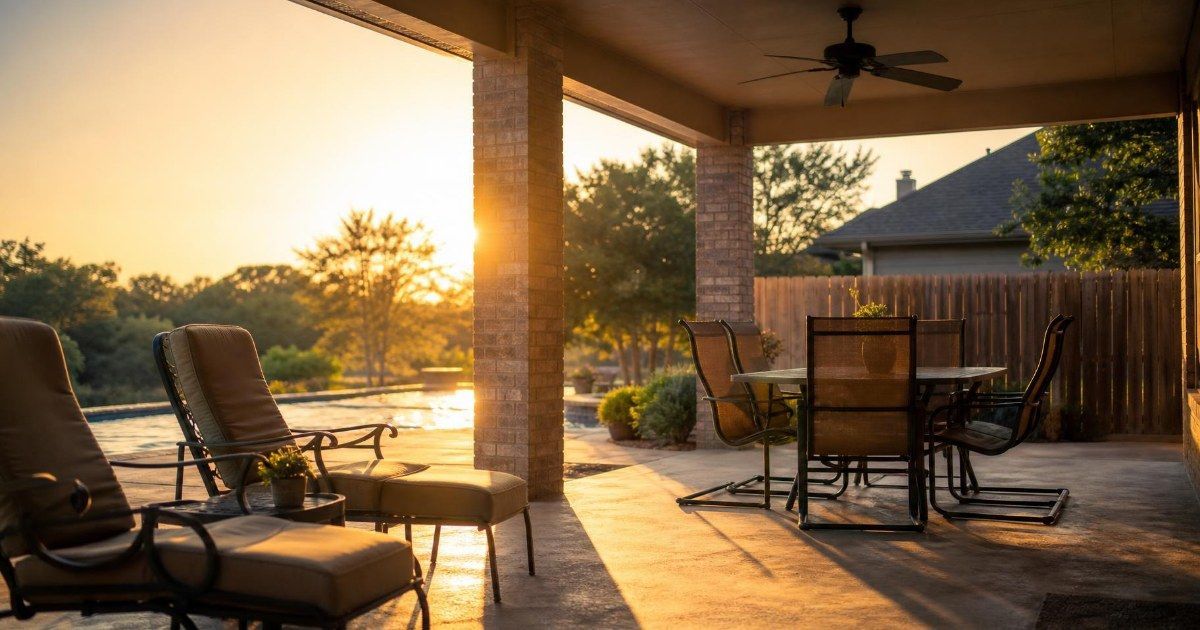
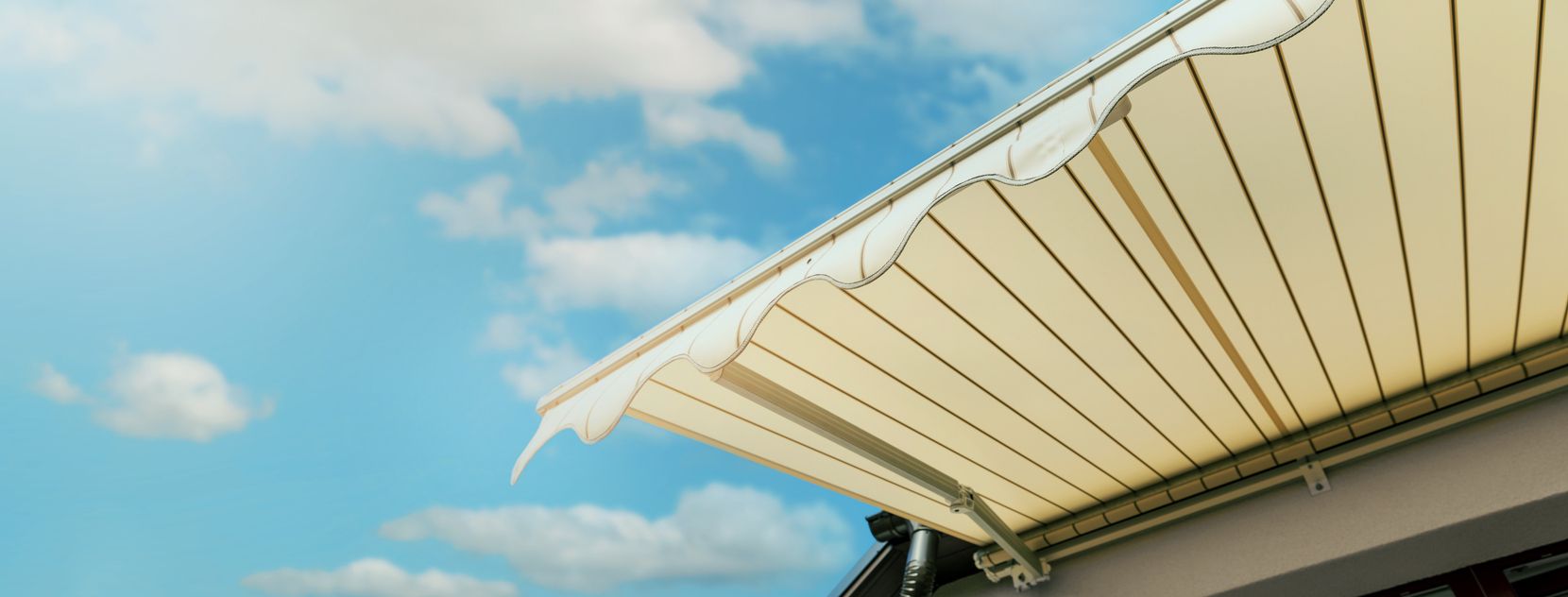
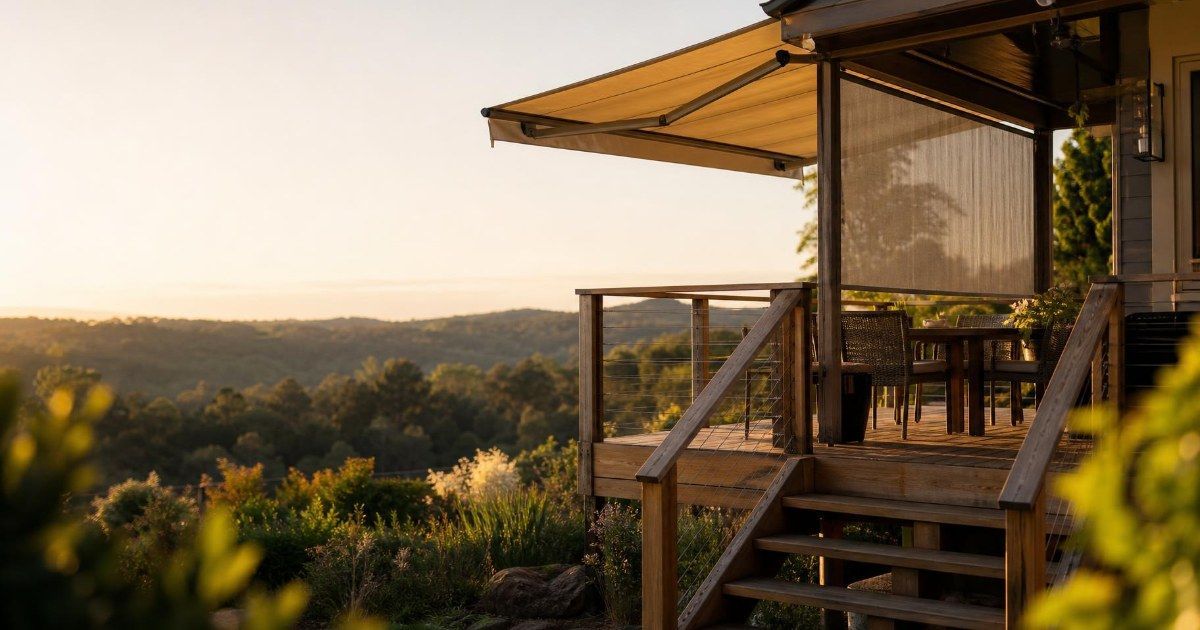
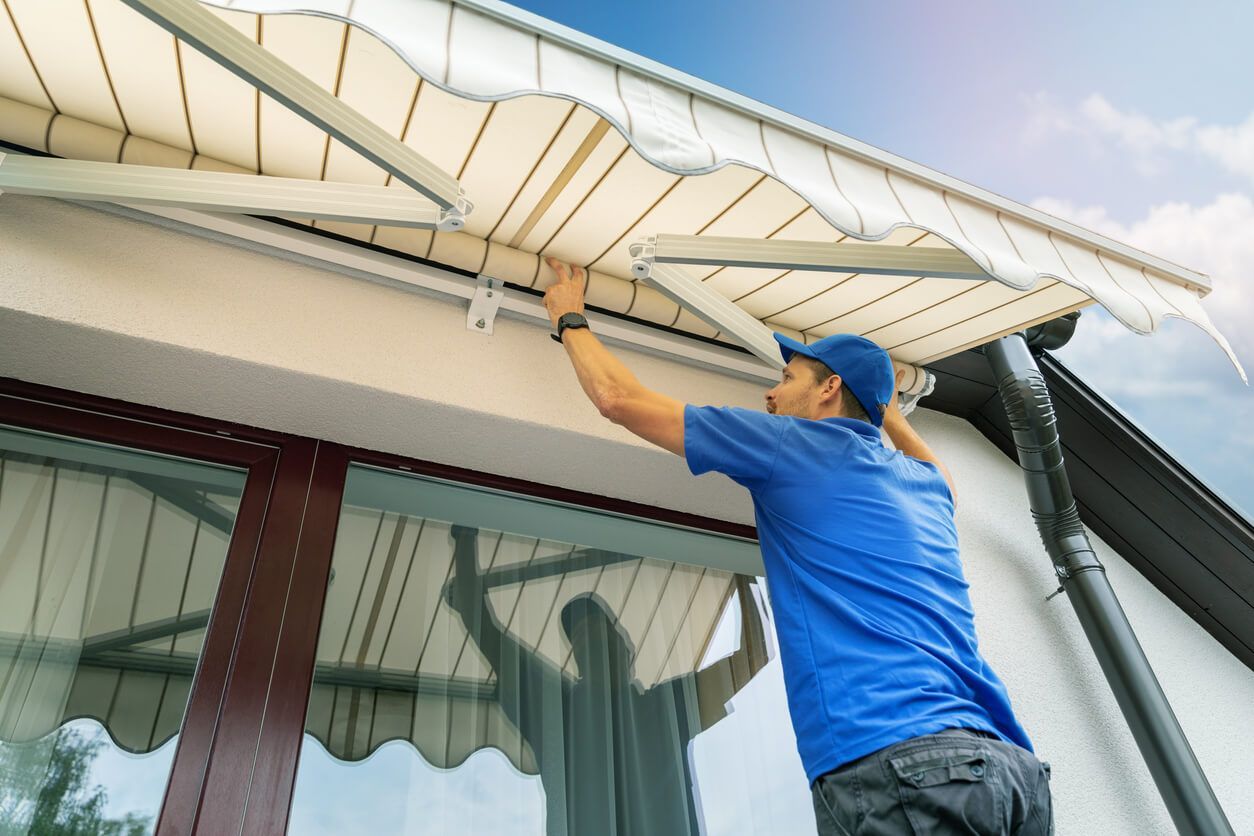
Covered patios and retractable awnings are excellent in the right setting, especially when attached directly to the house. They can extend interior comfort outdoors and provide dependable shade over doors, windows, and seating areas right off the home.
However, they are not always ideal for every pool layout. If your pool deck sits farther from the house, an attached awning may not reach the part of the yard where people actually gather. In that case, a freestanding poolside pergola can connect the house to the outdoor pool much more effectively.
A pergola also offers more freedom in placement. You can create a dedicated dining zone, frame a hot tub retreat, or build a shaded lounge area exactly where the sun is most intense. For larger backyards, that flexibility is hard to beat.
Some homeowners combine systems. For example, a retractable awning may cover the immediate patio near the house while a pool pergola defines the poolside entertainment area. That layered approach can make an outdoor living space feel thoughtful rather than one-note.
How pergola features change performance around a pool
Not every pergola performs the same way. Around water, details matter. Material, roof design, finish, and accessories all affect comfort, maintenance, and durability.
A wood pergola has warmth and classic character. Cedar and other quality lumber can look beautiful beside a pool, especially in a natural or traditional backyard. But wood requires more care, especially in humid climates where moisture, heat, and sun work together like a slow sanding machine.
An aluminum pergola or powder-coated metal pergola often fits better for homeowners who want lower maintenance and a more modern style. Aluminum resists rust, handles weather well, and can maintain crisp lines over time. For many poolside spaces, that durability is a major advantage.
Roof design matters too. A standard slatted roof creates filtered shade and an airy feel. A louvered roof gives more control, allowing you to adjust for full sun, partial shade, or ventilation. A louvered roof is especially useful if the pool area serves multiple purposes throughout the day, from morning coffee to afternoon swimming to evening dining.
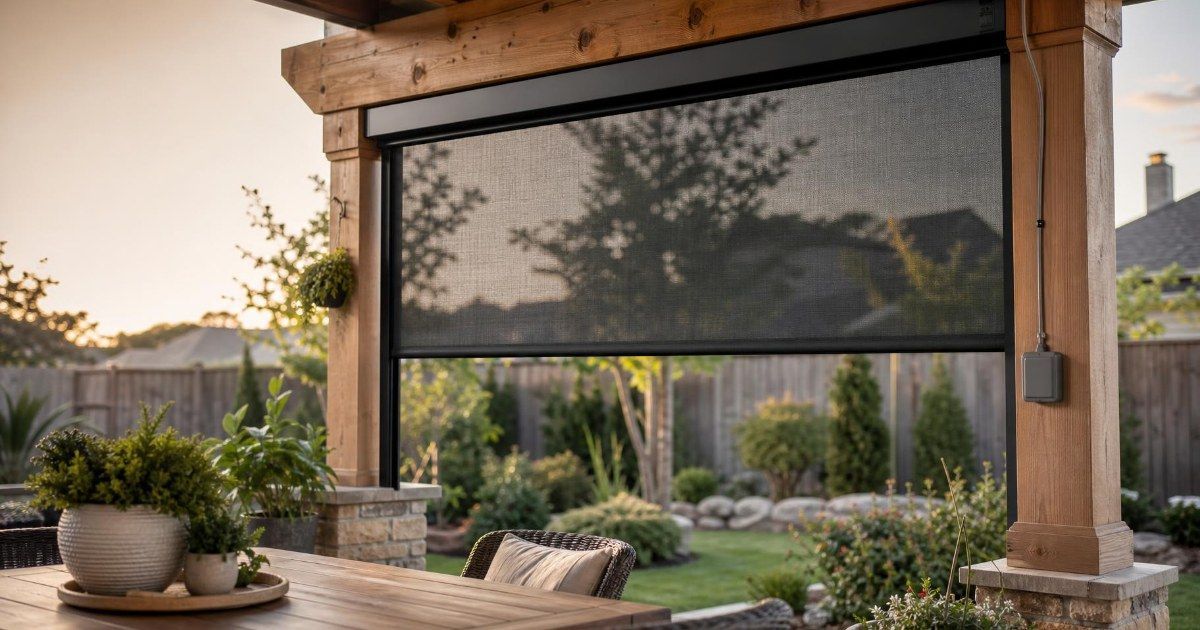
Accessories can also shift a pergola from basic to exceptional. Integrated lighting, led lighting, fans, privacy screens, and retractable fabric panels can make the space more comfortable at every hour. These features are not just decorative. They help create ambiance, extend use into the evening, and make the pergola feel like a true outdoor living destination.
Best uses for a poolside pergola
One of the biggest strengths of a poolside pergola is how many jobs it can do without looking overworked. It can shelter an outdoor dining table where wet kids can grab lunch without dripping through the house. It can define a lounge area with deep seating and side tables. It can cover a hot tub for more privacy and comfort. It can even connect a pool deck to an outdoor kitchen or bar.
This is where pergola kits sometimes enter the conversation. Homeowners shop pergola kits because they promise a faster path to a finished project. In some cases, pergola kits can work for straightforward layouts. But around a pool, custom sizing, drainage, footing requirements, and layout precision often matter more than convenience.
A custom pool pergola can be designed to match the pool deck dimensions, align with the house, complement existing furniture, and account for traffic flow. That level of detail is what separates a structure that simply exists from one that truly belongs.
If you entertain often, a pergola can also support dining and entertainment in a way other structures cannot. Add lighting overhead, place an outdoor dining table beneath it, and suddenly the poolside becomes the best room you own. The water reflects the glow, the shade cools the day, and the whole backyard starts pulling its weight.
When another shade structure may be the better choice
A pergola is not automatically the right answer for every pool. If you need full rain protection all the time, a solid roof structure may be better. If your budget is tight and you only need a little coverage for two chairs, an umbrella may be enough. If you want a temporary solution while planning a larger backyard project, a shade sail can bridge the gap.
The key is being honest about how you use the space. Do you want to relax for an hour after work? Host weekend dining with guests? Create a luxury resort feel? Add a shaded spot for soaking near a hot tub? The right structure depends on the experience you want to create, not just the product category.
Homeowners sometimes choose the cheapest option first, then replace it later after realizing it never really solved the problem. That is common with poolside spaces. The area looks exposed, people avoid it during full sun, and the backyard still feels incomplete. In those cases, investing in a pergola from the beginning often saves frustration.
Design considerations for a pool pergola
Placement should come first. A pergola that sits in the wrong spot will not help much, no matter how good it looks. Study where the sun hits the pool deck, where people naturally gather, and how movement flows between the house, pool, dining, and lounging areas.
Scale matters too. The pergola should match the pool area without overwhelming it. Too small, and it feels decorative but ineffective. Too large, and it can dominate the yard. The best designs carefully match the proportions of the pool, the house, and the surrounding outdoor space.
Material and style should complement the architecture. A sleek aluminum shade pergola may fit a modern property beautifully, while a wood pergola may suit a more classic backyard. The finish, color, and detail should connect with the existing elements rather than compete with them.
Think about what you want under the pergola as well. Will it hold chairs and a side table for relaxation? A full outdoor dining space? A bar setup near the outdoor kitchen? The intended use affects size, roof options, lighting layout, and even how much shade provided you will actually need.
The bottom line on pergolas for pool areas
When you compare a pergola to
other shade solutions, the biggest difference is that a pergola does not just cover a spot. It helps define the entire experience of the backyard. It creates structure without closing things in. It adds style without feeling flimsy. And it gives a poolside area a sense of purpose.
That is why a poolside pergola so often wins out over umbrellas, sails, or more temporary options. It can enhance comfort, improve ambiance, support dining and relaxation, and connect the pool to the rest of the outdoor living plan in a way simpler products cannot.
For homeowners who want a backyard that feels finished, usable, and a little more like a private retreat than a bare slab around water, a pergola is often the smartest move. The best ones do not just block the sun. They transform the pool area into a place people actually want to stay.
If you are planning a pool upgrade and want a shade structure that looks intentional, performs well, and complements your home aesthetically, a custom pergola is worth serious consideration. Around a pool, good shade is practical. Great shade changes everything.