Selecting the Best Awning Textile

July 7, 2026

When homeowners start comparing premium retractable awnings, the frame and motor usually get the spotlight first. But the fabric is where the long-term story really gets written. It determines how the awning looks after years of summer sun, how it handles humidity, whether it traps heat underneath, and how often you end up cleaning mildew or thinking about fabric replacement.


If you are trying to identify the best fabric for retractable awnings, the real decision usually comes down to two upper-tier categories: solution dyed acrylic and heavy-duty PVC-coated fabrics. Both can perform well. Both are used in high-end systems. But they behave very differently over time, especially in hot, humid, storm-prone climates where outdoor shade has to work hard for its keep.


For premium buyers, this is less about finding the cheapest awning fabric and more about choosing the right fabric for how you actually live. Do you want a breathable textile that keeps a patio cooler and holds rich colors for years? Or do you need a more sealed, water resistant surface that behaves almost like a weather shield? Those are two different jobs, and the material chemistry matters.


Why Fabric Selection Matters More Than Most Homeowners Expect


A retractable awning is not just a decorative cover. It is a working exterior system exposed to uv rays, moisture, wind, airborne debris, pollen, and day-after-day thermal cycling. The awning fabric has to survive expansion, contraction, wet-dry transitions, and constant sun exposure without becoming brittle, chalky, or streaked with mold and mildew.


That is why fabric choice is a major factor in long term durability. A fabric can look great in a showroom sample book and still disappoint in everyday life if its coating breaks down, if it traps moisture buildup, or if it cannot resist fading under intense uv light. In places with long summers and high humidity, the wrong awning material can age fast.


For homeowners investing in a premium outdoor space, the textile also affects comfort. Some fabrics are more breathable, which helps release built-up heat under the awning. Others are more sealed and water resistant, which can be useful in heavy rainfall but may feel warmer underneath. The best fabric is the one that matches both your climate and your expectations.


The Two Premium Contenders: Solution Dyed Acrylic vs PVC-Coated Fabric


At the high end of the market, most quality awning fabric discussions center on two families of materials. The first is solution dyed acrylic, a woven fabric known for colorfastness, breathability, and a softer textile look. The second is a polyester or other substrate coated with PVC, designed for stronger waterproofing and a more membrane-like performance profile.


These are not small technical differences. They are more like comparing a tailored linen sport coat to a marine rain shell. Both are high quality fabric options. Both offer protection. But they solve different problems in different ways.


How Solution Dyed Acrylic Is Made


Solution dyed acrylic starts at the fiber level. Instead of applying color to the surface after the fabric is woven, pigmentation is injected directly into the polymer solution before the fibers are extruded. In simple terms, the color lives inside the fiber core, not just on the outside.


That manufacturing method gives solution dyed acrylic its reputation for being fade resistant and uv resistant. Because the color is built into the acrylic itself, the fabric can resist fading far better than many other fabrics that rely on surface dyeing. If you want rich colors, stripes, or solid colors that stay sharp year after year, solution dyed fabric has a clear advantage.


The finished textile is usually tightly woven, breathable, and treated for water repellency. It will repel water in normal conditions, but it is not the same thing as a fully waterproof sheet. That distinction matters.


How PVC-Coated Fabrics Are Made


PVC-coated awning materials typically start with a woven polyester base cloth or similar substrate. That base is then encapsulated or coated with polyvinyl chloride to create a sealed outer layer. The result is a heavy duty fabric engineered for high water resistance, easier wipe-down cleaning, and strong barrier performance.


Because the coating forms a sealed surface, this type of awning fabric is often chosen where waterproof performance is the top priority. In commercial settings or homes that want more rain-blocking capability, PVC-coated material can be appealing.


But that same sealed construction changes the feel and lifecycle of the awning. It is usually less breathable than solution dyed acrylic, can retain more heat underneath, and may age differently depending on the coating quality, environmental exposure, and maintenance routine.


Colorfastness and Fading: Where Acrylic Usually Wins


If color retention is near the top of your list, solution dyed acrylic is usually the stronger long-term investment. The reason goes back to the chemistry. Since the pigment is part of the fiber before weaving, the fabric is inherently more fade resistant and better equipped to resist fading under prolonged sun exposure.


That matters in bright southern and western exposures where harmful uv rays hit the awning day after day. Surface-dyed canvas and lower-tier polyester fabrics often show fading first at the most exposed folds and edges. Premium solution dyed acrylic fabric tends to age more gracefully, keeping its tone more consistent across the entire awning.


PVC-coated fabrics can still perform well, especially in lighter colors, but once a coating system begins to degrade, fading can be accompanied by changes in surface sheen or texture. In practical terms, homeowners often notice that acrylic fabric keeps a more natural, textile-rich appearance over time.


Breathability and Heat Control Under the Awning


This is one of the most overlooked differences in awning fabric selection. Solution dyed acrylic is breathable. That does not mean it leaks like a screen. It means air and water vapor can move through the woven structure more easily than through a sealed membrane.


In a hot outdoor space, that breathability can make the area under the awning feel less stuffy. Heat does not get trapped as aggressively, and moisture buildup is less likely to linger inside the fabric structure after a humid morning or light rain event. For patios used for dining, lounging, or relaxing around outdoor furniture, that can translate into a more comfortable shade experience.


PVC-coated fabric is less breathable by design. It behaves more like a shell. That can be useful when your top concern is water exclusion, but it can also create a warmer microclimate beneath the awning in direct sun. If your patio gets intense afternoon heat, this is not a small detail.


Waterproofing, Water Repellency, and What Homeowners Often Confuse


Many buyers assume the best awning fabric should be fully waterproof. Sometimes that is true. Often it is not.


Solution dyed acrylic fabric is usually water repellent and water resistant rather than fully waterproof. A quality finish helps the fabric repel water so rain beads and rolls off, especially when the awning has proper pitch. In normal showers, it performs very well. But because it is woven and breathable, prolonged pooling or extreme weather can eventually push moisture through.


PVC-coated material creates a much more hydrophobic waterproof seal. If your priority is maximizing rain blocking, this category has a real advantage. The coating is designed to repel water and reduce penetration much more aggressively than woven acrylic fabric.


Still, waterproofing is only one performance metric. A sealed fabric that blocks rain beautifully but runs hotter, feels stiffer, and shows coating fatigue sooner may not be the right fabric for every residential outdoor space. There is always a tradeoff.


Mold, Mildew, and Humid-Climate Performance


Homeowners in humid climates and humid regions should pay close attention here. Mold and mildew do not care how expensive a fabric was. They care whether moisture, organic debris, and still air are allowed to hang around long enough to create a breeding ground.


Solution dyed acrylic is often mildew resistant because acrylic fibers themselves do not readily support mildew growth. That said, mildew can still develop on dirt, pollen, leaf residue, and other surface contaminants if the awning is not cleaned. In other words, the fabric may be mildew resistant, but the grime sitting on it is not.


PVC-coated awning fabric also performs well against mold and mildew because the sealed surface is less absorbent and easier to wipe clean. But if moisture gets trapped in folds or if the awning is retracted while wet, mildew can still form on the surface or in debris deposits. No awning material is maintenance-proof.


In high humidity, the best practice is simple: let the awning dry before retracting whenever possible, clean it periodically with mild soap and water, and keep organic buildup from accumulating. Good mildew resistance starts with good ownership habits.


Stain Resistance and Day-To-Day Maintenance


PVC-coated fabrics often lead on stain resistance because the surface is smoother and less porous. Bird droppings, tree residue, and airborne grime are generally easier to wipe off before they set. If the awning is installed near outdoor kitchens, restaurant patios, or areas with grease and smoke, that easy-clean surface can be valuable.


Solution dyed acrylic also offers strong stain resistance, but it behaves more like a textile than a plasticized membrane. It may require a softer cleaning approach and more attention to debris removal. The upside is that it usually keeps a more refined, fabric-forward appearance that many homeowners prefer on luxury homes.


For either material, harsh chemicals are a mistake. Regular maintenance with mild soap, water, a soft brush, and prompt spot cleaning will extend fabric life. Think of premium awning fabric the way you would think of a good performance jacket or boat upholstery: durable, yes, but still worth caring for.


Tear Resistance, Structural Performance, and Weather Exposure


Awnings do not fail only because of sun and mildew. They also fail because wind, tension stress, and repeated movement work the fabric over time. Tear resistance depends on fiber strength, weave construction, coating quality, seam design, and how the awning is used.


PVC-coated polyester can be highly durable and very strong in terms of tensile performance. For certain applications, especially where the awning may face heavy duty service demands, it provides excellent structural confidence.


Solution dyed acrylic is also durable, but in a different way. It combines flexibility, uv resistance, and long-term visual stability with a woven hand that tends to age well. In many residential projects, that balance is exactly what buyers want.


Of course, no fabric should be expected to fight strong winds indefinitely. Retractable systems should be used intelligently, and in windy areas, proper engineering matters as much as material selection. Homeowners dealing with exposed properties or coastal weather patterns may also want to review high-wind shade system considerations when evaluating overall performance.


Where Cotton Canvas Fits in Today


Cotton canvas has a long history in awning design and still appeals to homeowners who love a traditional look. It has warmth, texture, and a classic option aesthetic that feels rooted in old storefronts and heritage architecture.


But for most modern retractable awning systems, cotton canvas is no longer the top-tier performance choice. Compared with solution dyed acrylic or PVC-coated fabrics, cotton canvas is generally more vulnerable to moisture retention, mildew, fading, and regular maintenance demands. It can look charming, but it usually asks more from the owner.


That is why cotton canvas tends to lose ground in premium installations where long term durability, mildew resistance, and uv protection matter more than nostalgia. It is not that canvas is wrong. It is that better awning materials now exist for most climates and use cases.


What About Acrylic Coated Polyester?


Acrylic coated polyester sits somewhere in the middle and is often discussed as a budget-conscious alternative. It can offer decent water resistance, decent uv resistance, and a respectable appearance at a lower price point than premium solution dyed acrylic.


But there is a reason high-end buyers often move past it. Acrylic coated polyester may not deliver the same colorfastness, softness, or long-term visual stability as true solution dyed acrylic fabric. Over time, coating wear and surface fading can become more noticeable, especially in intense sun.


For some projects, it is a workable fabric choice. For a premium retractable awning intended to elevate curb appeal and perform for years, it is usually not the first recommendation.


Which Fabric Is Better for Residential Comfort and Appearance?


For most luxury residential patios, solution dyed acrylic is the fabric that best balances beauty, comfort, and durability. It is breathable, uv resistant, fade resistant, mildew resistant, and available in various designs that feel tailored rather than industrial. It creates shade without making the space feel closed off.


That matters when the awning is part of a larger outdoor living experience. You are not just covering a slab. You are shaping how the patio feels at lunch, how the light filters in at sunset, and how the home presents from the backyard. A high quality fabric should support both function and curb appeal.


If you are still comparing system styles, this look at retractable versus fixed awning differences can help frame the bigger decision.


When PVC-Coated Fabric May Be the Smarter Investment


There are situations where PVC-coated awning fabric is absolutely the right call. If you prioritize water resistance above all else, need a more sealed barrier, or expect the awning to face repeated heavy rainfall and harder-use conditions, PVC-coated material deserves serious consideration.


It can also make sense in some commercial or specialty applications where easy cleaning and waterproof performance matter more than breathability or a softer woven appearance. In those cases, the heavier, more membrane-like feel is a feature, not a drawback.


The key is honesty about priorities. If you want the awning to behave like a shelter skin, PVC-coated fabric may win. If you want it to behave like a premium architectural textile, solution dyed acrylic usually leads.


A Practical Rule of Thumb for Premium Buyers


If your ideal outdoor space is a comfortable, elegant extension of the home, solution dyed acrylic is usually the right fabric. If your top priority is maximum rain-shedding and a sealed surface, PVC-coated fabric may be worth the tradeoffs.


That is the simplest honest answer. The best fabric for one family may not be the best fabric for another. Climate, orientation, maintenance habits, and design expectations all shape the decision.


In hot, sunny, humid markets, many homeowners end up preferring solution dyed acrylic because it gives them the best mix of uv protection, breathable comfort, fading resistance, and long-term appearance. It is often the material that still looks expensive after the novelty wears off.


Final Thoughts on Selecting the Right Awning Textile


The smartest awning purchase is not the one with the most marketing buzzwords. It is the one built around the realities of your property. Sun exposure, high humidity, heavy rainfall, strong winds, and how often you actually use the patio should all influence your material decision.


For most residential retractable awning projects, solution dyed acrylic remains the standout choice because it delivers high quality fabric performance where homeowners notice it most: color retention, comfort, durability, mildew resistance, and visual finish. PVC-coated fabrics remain excellent in more water-focused or specialty environments, but they are not automatically superior just because they are more sealed.


If you are planning a custom shade project and want a system tailored to the way your patio actually functions, it helps to start with a design process that accounts for measurements, exposure, and use patterns. Shade Doctor’s approach to custom outdoor shade design and sizing is a good example of why material selection should never happen in a vacuum.


In the end, the right awning fabric should do more than survive the elements. It should make your outdoor space easier to use, more comfortable to enjoy, and better looking for years to come.
Low-Angle Sun Protection
July 7, 2026
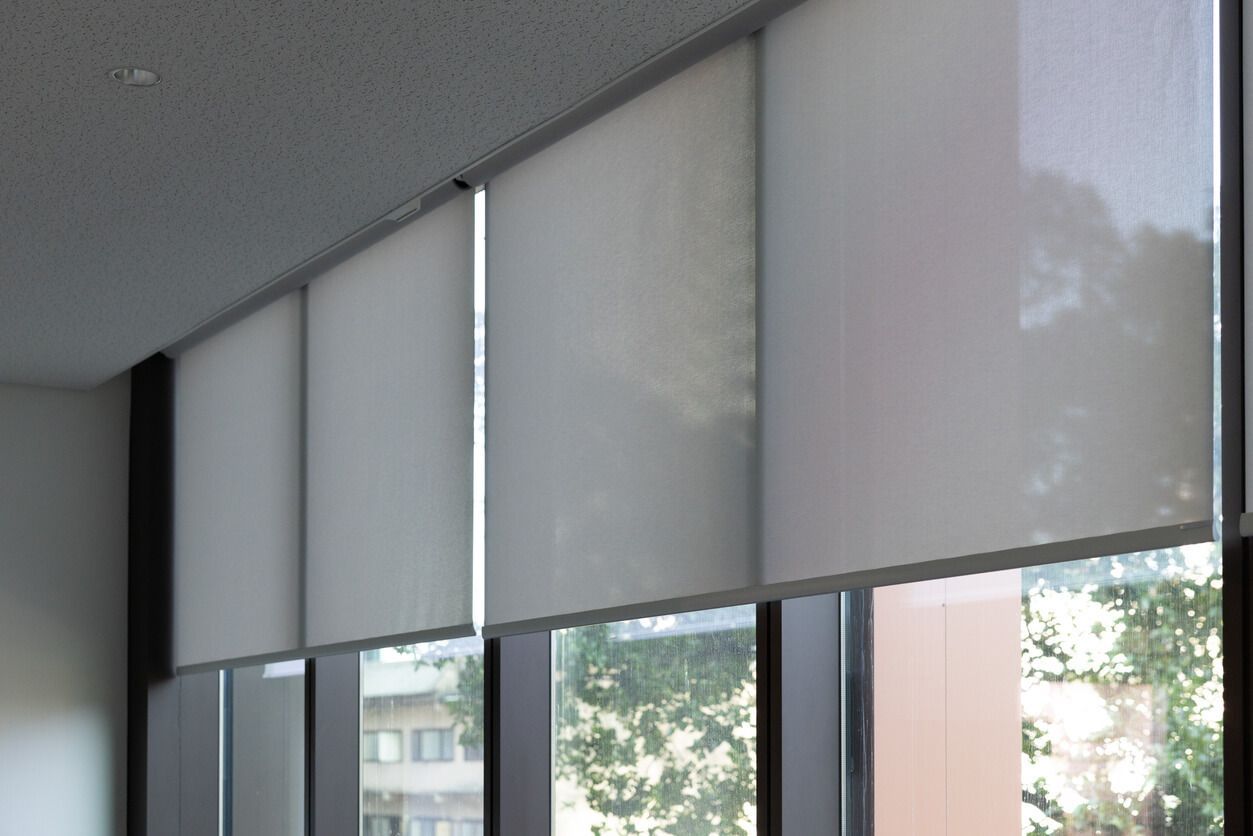
Discover how sun shade solutions help manage heat, glare, and UV exposure in outdoor areas while supporting comfort and privacy.
Custom Aluminum Pergola
July 6, 2026
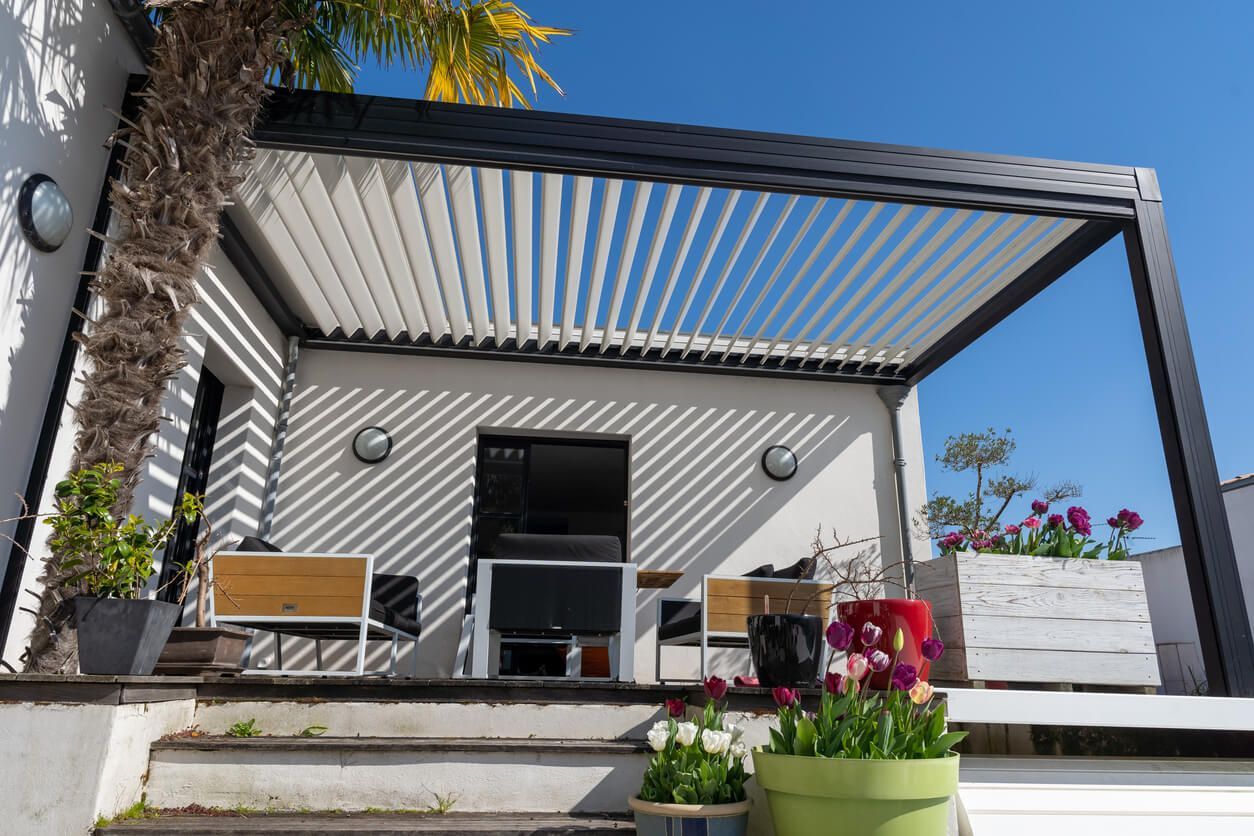
See how a custom aluminum pergola works with outdoor layouts, shaping shaded seating, dining, or garden areas with a precise fit.
Flush-mounted motorized screen
July 1, 2026
Find details on flush mount patio shades for covered patios, including mounting style, fabric options, light control, and maintenance basics.
Commercial Shade Solutions
June 10, 2026
Learn how commercial shade solutions support outdoor comfort, sun protection, and functional spaces for businesses, schools, and public areas.
Poolside Pergola for Outdoor Shade
June 9, 2026
Explore how pergolas for pools add shade, define lounging areas, and blend with outdoor designs for a more comfortable poolside space.
pergola installation cost
June 8, 2026
A pergola can completely change the way a backyard feels. What starts as a bright, underused slab of concrete or an open patch of patio can become a defined outdoor living space with structure, comfort, and real purpose. It gives a seating area a ceiling without fully closing it in. It creates shade where there was none. And when it is designed well, it makes the whole property feel more finished. That said, one of the first questions homeowners ask is simple: what is the real pergola installation cost? The honest answer is that pergola cost can vary widely depending on size, materials, site conditions, and whether you choose a basic pergola kit or a fully custom installation. A small standard pergola built from budget-friendly materials will land in a very different price range than a large motorized system with lighting, electrical wiring, and premium finishes. In this guide, we will break down average cost ranges, labor costs, material costs, design factors, and the upgrades that push pricing higher. If you are planning to build a pergola in Texas or another hot, sun-heavy market, understanding these details upfront can help you make a smart investment and avoid surprises. Average Pergola Cost at a Glance For most homeowners, pergola cost falls somewhere between $3,000 and $15,000, though custom builds can go well beyond that. A basic pergola kit installed over a small patio may sit near the lower end, while larger pergolas with premium materials and integrated features can reach $20,000 or more. A useful way to think about pricing is per square foot. Many pergola installation estimates land between $20 and $60 per square foot for simpler systems. Higher-end custom pergolas, especially those with aluminum framing, retractable canopies, louvers, or built-in lighting, can climb to $75 to $150 per square foot or more. The total cost depends on what you are building, where it is going, and how much customization is involved. What Most Homeowners Spend on Pergola Installation Most homeowners are not buying the cheapest option on paper. They are trying to solve a real comfort problem in the backyard: too much sun, not enough shade, or an outdoor area that feels exposed and unfinished. Because of that, many homeowners end up somewhere in the middle of the market. For a typical pergola installation over a patio or deck, homeowners spending usually lands around $5,000 to $10,000. That range often covers a standard pergola with professional installation, moderate site preparation, and a material choice like pressure treated pine, cedar, vinyl, or aluminum. Once you move into custom pergolas with upgraded finishes or weather-control features, the higher price tag starts to make sense quickly. Pergola Cost by Size Size is one of the biggest drivers of pergola cost. The larger the structure, the more materials, labor, anchors, and finishing work are required. A pergola over a compact sitting area is simply a different project than one spanning a full outdoor kitchen and dining zone. Here is a general idea of pergola ranges by size: 8x8 pergola: about 64 square foot 10x10 pergola: about 100 square foot 10x12 pergola: about 120 square foot 12x16 pergola: about 192 square foot 16x20 pergola: about 320 square foot At $20 to $60 per square foot, a 10x10 pergola might cost roughly $2,000 to $6,000 before upgrades. A 12x16 structure could run $3,800 to $11,500 or more. If you build a pergola with premium aluminum pergolas, custom finishes, or integrated systems, the per square foot rate rises fast. This is why larger pergolas often feel disproportionately expensive. It is not just extra lumber or aluminum. Bigger spans may require heavier posts, stronger footings, additional labor, and more complex engineering. Pergola Installation Cost by Material The materials you choose affects not only the look of the pergola, but also the upfront cost, maintenance needs, and long-term durability. Some affordable materials look good on day one but demand more upkeep over time. Others come with a higher price tag but offer low maintenance and better performance in humid climates or extreme weather conditions. When comparing material costs, it helps to think beyond the initial invoice. A pergola that needs frequent staining, sealing, or repairs may cost less at first but more over the life of the structure. Pressure treated pine pergolas Pressure treated pine is often the most affordable wood option and one of the most common choices for homeowners trying to save money. It is widely available, structurally solid, and usually the most affordable wood option for a standard pergola. A pressure treated pine pergola may cost around $20 to $40 per square foot installed, depending on design and labor rates. It works well for many backyard projects, but it does require maintenance. In humid climates, wood movement, warping, and surface wear can show up over time if the pergola is not properly sealed and maintained. Cedar and Redwood Pergolas Cedar and redwood are popular because they offer a warmer, more natural wood appearance than pressure treated pine. They also have oils that make them naturally resistant to insects and decay. For homeowners who want a wood pergola with more character, these are often strong options. Redwood tends to cost more than cedar, and both are usually priced above pressure treated pine. Expect a cedar or redwood pergola cost to land around $30 to $70 per square foot installed, depending on the finish, post size, and design complexity. A custom wood pergola built from redwood can look stunning, especially when the wood grain is highlighted with stain, but it will still need maintenance to keep that finish looking sharp. Vinyl Pergolas Vinyl and aluminum pergolas appeal to homeowners who want a cleaner look and fewer maintenance headaches. Vinyl can be a solid option for a traditional pergola appearance without the routine sealing and staining of natural wood. Vinyl often falls around $25 to $50 per square foot installed. It is generally low maintenance, but quality matters. Lower-end products can feel a bit hollow or plasticky, especially in intense sun. Better systems are reinforced and weather resistant, but they may still lack the richness of a custom wood pergola. Aluminum Pergolas Aluminum pergolas are increasingly popular, especially in hot-weather markets where durability and low maintenance matter. A well-built aluminum structure is rust resistant, weather resistant, and well suited to humid climates. It also works beautifully for modern homes and contemporary patio designs. Installed aluminum pergolas often start around $40 per square foot and can easily exceed $100 per square foot for motorized or louvered systems. The upfront cost is higher, but many homeowners like the tradeoff: less maintenance, clean lines, and excellent long-term performance. In many cases, aluminum pergolas are the smarter investment for a heavily used outdoor living space. Labor Costs and Installation Pricing Labor costs are a major part of any pergola installation. In many cases, labor accounts for 30% to 50% of the total project cost. A simple pergola kit on a level patio is one thing. A custom structure tied into existing structures, adjusted for slope, or built around outdoor kitchens and lighting plans is another. Labor costs typically include layout, footing work, anchoring, framing, assembly, leveling, trimming, and finish work. Local labor rates also matter. In busy metro areas or regions with strong demand for outdoor upgrades, labor rates can push the estimate higher. Professional installation usually costs more than a DIY route, but it can prevent expensive mistakes. A pergola is not just decorative. It is a structural element exposed to wind, rain, heat, and constant movement in the outdoor environment. If the posts are not anchored properly or the structure is not engineered for the site, the savings disappear quickly. Pergola Kit vs Custom Pergolas A pergola kit can be a good fit for homeowners who want a faster, more standardized solution. A typical pergola kit comes with pre-cut materials, hardware, and assembly instructions. Some are wood, some are vinyl, and some are aluminum. A diy pergola kit can reduce upfront cost, especially if you handle part of the work yourself. But pergola kit pricing is not always apples to apples with custom pergolas. Kits often assume ideal site conditions, standard dimensions, and fewer design changes. Once you add delivery, anchoring, concrete work, staining, or professional installation, the total cost can move closer to a custom job than people expect. Custom pergolas cost more because they are designed around your exact outdoor area. That matters when the patio is oversized, the slab is sloped, the home has unusual rooflines, or you want the pergola design to match existing structures. Custom builds also make room for details like integrated shade systems, lighting, fans, and tailored proportions that make the final result feel intentional rather than off-the-shelf. Site Preparation and Hidden Costs The part homeowners often overlook is site preparation. You may be focused on the pergola itself, but the installation crew has to deal with the actual conditions on the ground. If the patio is uneven, if drainage is poor, or if there is no suitable footing location, the project gets more complicated. Site preparation can include clearing the area, removing old concrete, pouring footings, reinforcing a slab, adjusting for elevation changes, or working around existing structures. These issues add additional labor and additional materials. They also add time. This is one reason pergola installation cost can vary wildly from one house to the next. Two homes may want the same pergola kit, but one goes onto a clean level pad while the other needs demolition, layout changes, and custom anchoring. Same product, very different project. Building Permits and Local Code Requirements Depending on where you live, building permits may be required for pergola installation. This is especially true for larger pergolas, attached systems, motorized units, or structures with electrical wiring. Local building codes may also dictate footing depth, post size, setbacks, wind ratings, and attachment methods. Building permits and code compliance can add additional fees to the total project cost, but they are not optional details to brush aside. In areas with strong wind exposure or intense weather, code requirements exist for a reason. A pergola should look beautiful, but it also needs to behave like a real structure when the weather turns rough. If you plan to build a pergola with lighting, fans, heaters, or motorized shade, local building codes become even more important. Electrical wiring must be installed safely and correctly, and permit requirements may expand once power is involved. Extra Features That Increase Total Cost Base pricing only tells part of the story. The features you add can transform a simple pergola into a true outdoor living space, but they also increase the total cost. Extra features that commonly raise pergola cost include: Motorized shade systems Retractable canopies Louvered roofs Lighting packages Ceiling fans Electrical wiring Privacy walls or screens Upgraded stains and finishes Decorative post wraps Integrated drainage These custom features can make a huge difference in comfort and usability. A pergola with no shade control may look great in photos but feel too hot in a Texas summer. A pergola with integrated shade and airflow control can turn a patio into a usable room for much more of the year. Maintenance and Long-Term Ownership Costs Maintenance matters more than people think. A wood pergola can be beautiful, but it comes with maintenance needs. Depending on the species and finish, you may need to stain, seal, clean, and inspect it regularly. Natural wood has character, but it also moves, ages, and reacts to heat and moisture. That is why many homeowners are drawn to vinyl and aluminum pergolas. These materials are generally low maintenance and easier to keep looking clean. Aluminum in particular is attractive for buyers who want something modern, durable, and rust resistant without committing to regular refinishing. If your goal is long-term value with less upkeep, low maintenance materials may justify the higher upfront cost. If your goal is warmth, texture, and classic wood charm, then a wood pergola may still be the right choice. It depends on how you want the structure to live over time, not just how it looks on install day. Does a Pergola Add Home Value? In many cases, yes. A well-designed pergola can improve home value by making the backyard more functional and visually appealing. It helps define the outdoor space, creates usable shade, and can make a patio feel like an extension of the house rather than an afterthought. That does not mean every pergola delivers the same return. A poorly placed or cheaply built pergola may not do much for home value. But a thoughtfully designed structure that fits the home, improves comfort, and enhances the outdoor living space can absolutely make the property more attractive to future buyers. This is especially true in markets where outdoor entertaining matters. A new pergola over a dining area, lounge zone, or poolside patio can make a strong impression because buyers can instantly picture themselves using it. When Is the Best Time to Build a Pergola? If you want the best scheduling flexibility, the off season is often a smart time to start. Late fall and winter may offer easier scheduling than the spring rush. Some contractors may also have more room to fine-tune the design and timeline before demand spikes. Early spring is another popular window because homeowners want the project finished before summer heat sets in. The catch is that early spring often books up fast. If you wait until everyone else is thinking about shade, you may be looking at several weeks before installation begins. Planning ahead also gives you time to compare materials, evaluate pergola ranges, and decide whether a pergola kit or custom system makes more sense for your backyard. How to Save Money Without Cutting Corners If you want to save money on a pergola project, the goal should not be to strip everything down until the final result disappoints you. The better strategy is to spend where performance matters and simplify where it does not. A few smart ways to save money include choosing a standard pergola size, limiting custom builds, using affordable materials where appropriate, and avoiding unnecessary decorative add-ons. Pressure treated pine remains an affordable wood option for many homeowners. A pergola kit can also reduce cost if your site is simple and your expectations are realistic. You can also save money by planning the full project early. Last-minute changes create additional labor, additional materials, and delays. The cleaner the scope, the smoother the installation. That matters whether you are building pergolas for a compact patio or a large backyard entertaining zone. So, How Much Should You Budget? A realistic budget for pergola installation depends on what kind of structure you want to live with for the next ten or fifteen years. For a simple pergola kit, you may spend a few thousand dollars. For a mid-range custom installation, many homeowners land in the $5,000 to $10,000 range. For premium aluminum pergolas or highly customized systems with shade controls and electrical wiring, the total project cost can move well above that. The best way to think about pergola installation cost is not as a single number but as a spectrum. Materials, labor, size, design complexity, permits, and features all shape the final price. And in a climate where heat and sun can make an outdoor area feel unusable for half the day, the right pergola is not just a decorative add-on. It is a comfort upgrade. If you are comparing options, focus on how the pergola will actually perform in your space. The cheapest route is not always the best value. A well-built pergola that matches your home, handles the weather, and creates real shade can pay you back every time you step outside and actually want to stay there.
custom outdoor shades
June 4, 2026
See how custom outdoor shades are measured and designed to fit your patio and create a seamless outdoor living space tailored to your home.
May 6, 2026
Planning an outdoor upgrade? Learn how long pergola installation takes, from 1-day modular setups to custom motorized systems. Explore the factors that affect your timeline.
May 4, 2026
Aluminum vs wood pergola comparison covering maintenance, durability and lifespan. Find out which option is best for long term outdoor living.
May 4, 2026
Retractable pergola systems give you flexible shade and comfort. Learn the pros, cons, and best backyard uses to decide if it is the right fit for your space.