How Appraisers Evaluate Custom Structural Shade Architecture

July 6, 2026

When homeowners think about a pergola, they often think first about comfort: a cooler patio, a more usable backyard, a cleaner line between indoor living and the outdoors. Appraisers, however, look at the same structure through a different lens. They ask whether the addition is permanent, engineered, market-supported, and meaningful to the overall utility of the home.


That distinction matters. A luxury buyer may love a beautiful shade feature, but an appraiser has to decide whether it behaves like a true capital improvement or just an accessory. That is exactly where a custom aluminum pergola separates itself from umbrellas, temporary canopies, and off-the-shelf fabric sails that come and go with the season.


In stronger real estate markets, especially in sun-heavy states where outdoor living drives buyer behavior, structural shade is no longer treated as a decorative afterthought. It is part of the architecture. And when a shade structure is designed as a permanent extension of the home, with engineered framing, integrated lighting, weather-ready screens, and a finished look that complements the property, it can influence how the entire outdoor space is perceived.


For buyers weighing a major project before signing a formal contract, the real question is not just “Will we enjoy it?” The better question is: “Will this improve the standing of the property in a way the market recognizes?”

What Appraisers Actually Look for in a Pergola


Appraisers do not assign value based on hype, showroom language, or how expensive a purchase felt at the time. They evaluate contributory value. In plain English, that means they look at what the structure adds to the home in the eyes of the market.


A pergola earns more respect when it is attached to the home’s overall design logic. Is it permanent? Is it professionally installed? Does it improve function in a measurable way? Does it create a usable outdoor space rather than simply occupy square footage? Those are the kinds of details that move a structure from “nice feature” to “real improvement.”


A custom pergola tends to perform better in that analysis because it is made for the property instead of being forced onto it. The dimensions, width, frame proportions, roof orientation, and finish all matter. Appraisers notice when a structure looks native to the house rather than imported from a catalog and dropped onto the ground like patio furniture with better PR.


They also consider whether the improvement aligns with buyer expectations in the region. In warm-weather markets, protected outdoor space has become part of luxury living. A well-designed pergola can raise the perceived quality of the home because it expands how buyers imagine using the property.

Why Permanent Structural Shade Is Treated Differently Than Temporary Products


There is a wide gap between a permanent pergola and temporary shade products, even if both technically block the sun. Retail umbrellas, pop-up covers, and tensioned fabric sails may provide relief in summer, but they rarely count as meaningful structural improvements.


That is because appraisers are trained to separate removable accessories from built, engineered additions. Temporary products usually lack permanence, weather resistance, integrated systems, and architectural intent. They do not create true outdoor rooms. They create stopgaps.


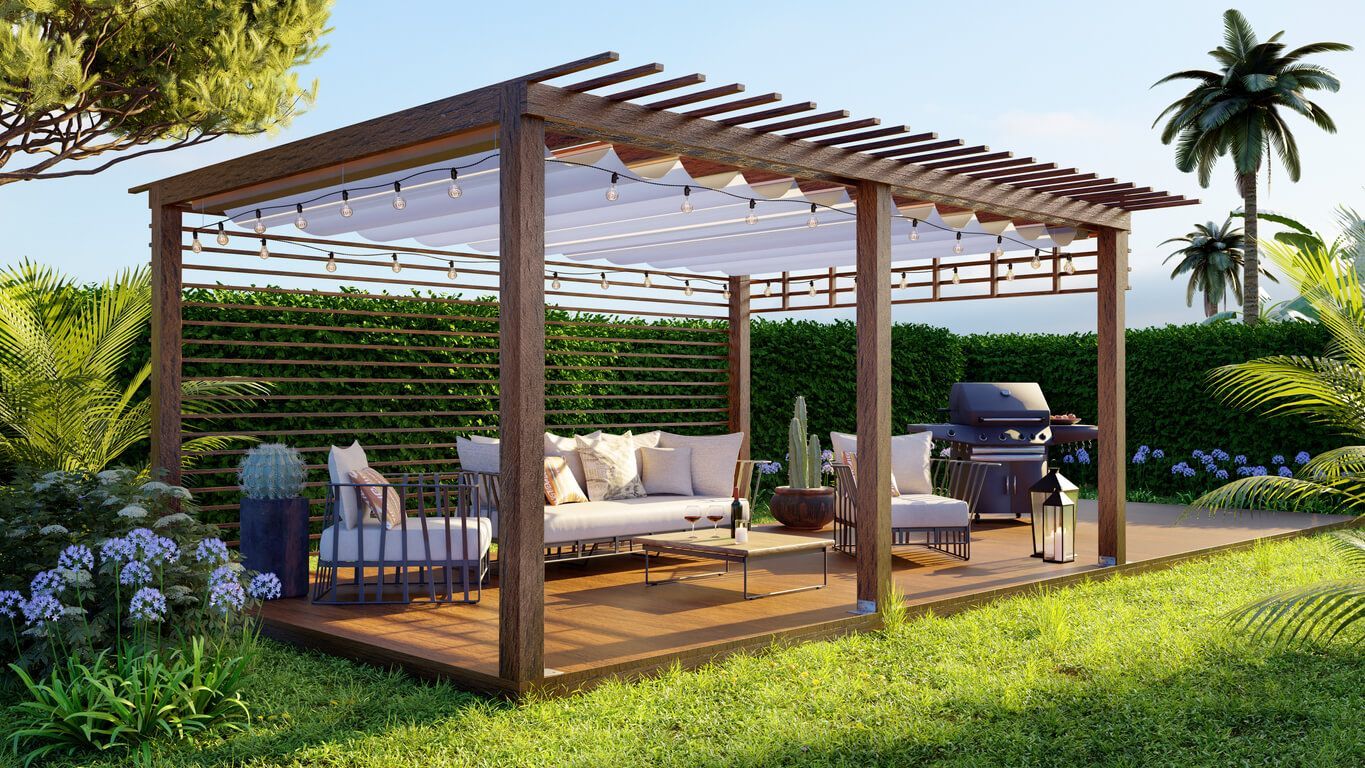
A custom aluminum pergola, by contrast, has the bones of a real structure. It has a frame designed for specific dimensions, site conditions, and load expectations. It is built to stay. It is intended to support daily life, not just weekend use. That permanence is one reason appraisers and buyers alike often view it as more valuable than fabric-based alternatives.


The material itself matters too. Aluminum offers durability without the maintenance burden that can drag down long-term appeal. It resists rust better than many lower-grade metals, holds its finish, and supports clean modern lines that fit both contemporary and traditional homes. In valuation terms, the less a buyer worries about decay, repainting, warping, or structural fatigue, the more confidence they tend to place in the improvement.

How a Custom Pergola Expands True Usable Outdoor Space


One of the strongest arguments for structural shade is not the shade alone. It is the way the pergola helps create functional square footage outside the home’s walls.


Appraisers may not count every exterior area the same way they count conditioned interior rooms, but they absolutely consider utility. If a pergola transforms an exposed patio into a comfortable place for dining, entertaining, lounging, or working from home with a laptop and a ceiling fan overhead, that changes the property’s use profile.


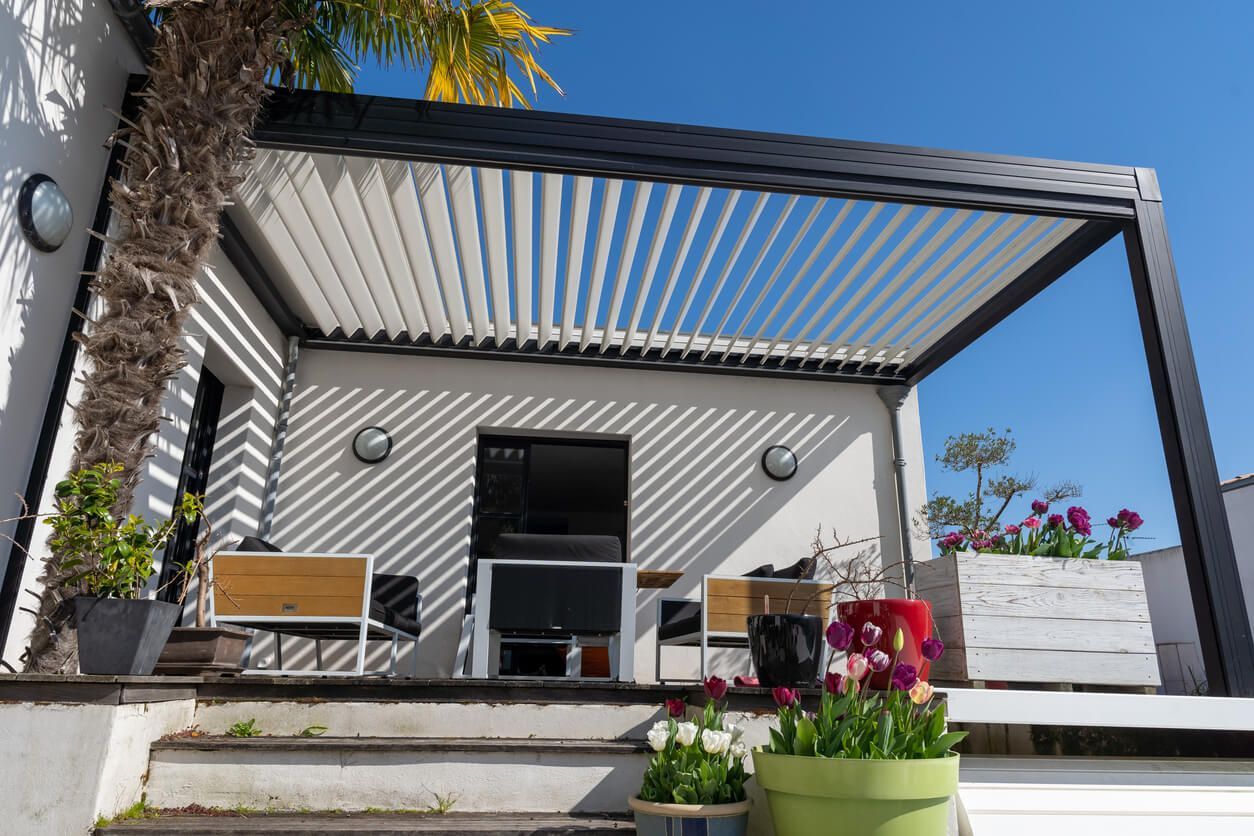
This is especially true when pergolas offer more than overhead cover. A louvered pergola with screens, lighting, heaters, and integrated control systems can turn a previously harsh, underused slab into a flexible living zone. That kind of outdoor space feels less like leftover yard and more like an extension of the home.


Buyers respond to that instantly. They picture coffee in filtered natural light, dinner under led lights, football Saturdays with motorized screens down, and late summer evenings without direct glare in their eyes. Appraisers understand that buyer reaction matters because market value is tied to what buyers are willing to pay for improved lifestyle and function.

The Valuation Edge of a Louvered Pergola


Not every pergola performs equally in the market. A basic open-top frame may add visual appeal, but a louvered pergola often carries stronger practical value because it offers control.


That control is critical. Fixed slats can soften sunlight, but a louvered pergola can adapt to changing weather, seasonal sun angles, and daily use. Homeowners can open louvers to welcome natural light, close them for shade, or adjust orientation as the sun shifts across the backyard. That flexibility makes the space more useful more often.


A custom pergola with motorized louvers goes even further. It creates a premium experience buyers immediately understand. Instead of accepting whatever the weather gives them, owners have full control over comfort. In valuation language, that improves utility. In buyer language, it simply feels expensive in the right way.


This is one reason the comparison between aluminum and wood pergola systems matters so much. Appraisers and buyers both tend to reward low-maintenance quality, especially when the structure is expected to perform year after year with less upkeep and more consistent appearance.

Integrated Features That Strengthen Buyer Perception


Luxury valuation is rarely about one feature in isolation. It is about how multiple features work together to create a complete experience.


That is why a custom pergola with led lights, screens, fans, heaters, and smart control options tends to outperform a bare structure in perceived value. Each feature increases the number of hours, seasons, and situations in which the space can be used.


Lighting is a particularly strong example. Thoughtful lighting turns a pergola from a daytime amenity into an evening destination. Integrated led lights along beams or inside louvers create a finished atmosphere that buyers remember. Good lighting also signals planning and craftsmanship. It says this was not a rushed install. It was designed.


Screens matter for the same reason. Motorized screens can reduce glare, improve privacy, soften wind, and help keep the patio protected from insects and debris. In some markets, they are the difference between a nice-looking structure and one that actually supports daily life. If you want to understand how these systems are measured and integrated into a project, Shade Doctor breaks that process down in this guide to custom outdoor shade design.


Smart features can also support premium positioning. Buyers increasingly expect convenience, especially in upper-end homes. A motorized pergola that works with google home or similar control systems feels aligned with the rest of a modern property. That alignment helps the whole home feel current rather than patched together across different eras.

Why Dimensions, Engineering, and Fit Matter to Appraisers


Appraisers may not inspect a pergola the way an engineer would, but they absolutely react to whether it appears substantial, intentional, and well executed.

That starts with dimensions. Width, span, height, and orientation should suit the home and the lot. A structure that is too small can feel token. Too large, and it can overpower the architecture or disrupt traffic flow across decks, pool surrounds, and patio zones. The best custom pergola projects feel proportionate, as if the house had been waiting for them all along.


Engineering also matters because buyers can sense the difference between stock kits and purpose-built systems. A structure with proper posts, a balanced frame, integrated drainage planning, and durable materials communicates stability. It feels anchored. It feels permanent. Even without reading a spec sheet, most people can tell when a pergola has real weight and when it is mostly cosmetic.


That is especially important in regions with intense sun, storms, or coastal exposure. A structure that is engineered for local conditions will hold more market credibility than something chosen purely on appearance. In high-wind areas, for example, weather performance is not a side issue; it is part of value. Shade Doctor addresses that in
its overview of engineered high-wind shade systems.

The Role of Craftsmanship and Finish in Luxury Markets


In competitive high-end markets, buyers are not just evaluating whether a pergola exists. They are evaluating the quality of the execution.


Clean lines, tight connections, durable powder-coated aluminum, coordinated white louvers or darker architectural finishes, concealed wiring for led lights, and a seamless transition from the home to the patio all shape perception. Appraisers may phrase it more neutrally, but the idea is the same: superior craftsmanship supports superior market reaction.


A poorly matched structure can actually weaken the visual rhythm of the property. A well-matched one can elevate it. That is why details such as finish, frame thickness, screen integration, and lighting placement matter so much. The pergola should complement the home’s style, not compete with it.


This is where custom work earns its keep. Stock products are built for average conditions and average dimensions. Luxury homes are almost never average. A custom pergola can match rooflines, complement decks and pool edges, preserve important sightlines, and create a stronger transition between interior and exterior living.

What Buyers See That Appraisers Eventually Document


A useful rule of thumb is this: buyers feel value first, and appraisers document it second.


When prospective buyers step into a shaded outdoor space that feels cool, elegant, and ready to use, they begin mentally spending money. They imagine hosting family dinners, watching kids in the backyard, or relaxing under a motorized pergola with fans turning overhead and led lights glowing after sunset. That emotional response is not fluff. It is part of market behavior.


Appraisers then translate that response into comparable reasoning. If similar homes with premium outdoor living features sell better, faster, or at stronger prices, those trends influence valuation. The exact adjustment may vary by neighborhood, inventory level, and price tier, but the pattern is clear: permanent, functional outdoor architecture tends to outperform temporary shade in buyer appeal.


That is why property value is not just tied to the existence of a pergola. It is tied to whether the pergola improves the home’s ranking within its competitive set.

Questions Smart Homeowners Should Ask Before They Purchase


Before moving forward, homeowners should think like both a buyer and an appraiser. Ask whether the structure will create year round comfort, whether the dimensions fit the home, whether the materials support durability, and whether the final installation will feel integrated instead of added on.


You should also ask what level of control the system offers. Can the louvers adjust? Are motorized screens available? Is the lighting built in? Can heaters or fans be added? Is smart access through google home part of the plan? These features do not all need to be included, but they should be considered through the lens of long-term use and future resale.


It is also worth asking for step by step instructions on the design and installation process. A quality company should be able to explain how the project moves from consultation to measurements to engineering to install. That clarity supports customer satisfaction because it removes the fog that often surrounds custom exterior work.


And yes, budget matters. Cost should be evaluated not just against today’s purchase price, but against maintenance, lifespan, buyer appeal, and the possibility of stronger resale positioning later. Cheap shade often becomes expensive when it fails early, looks tired fast, or never meaningfully improves the property.

Why Structural Shade Performs So Well in Sun-Driven Markets


In places where the sun is not occasional but relentless, outdoor architecture carries more weight. Homes in warm-climate regions compete partly on how well they make the outdoors livable.


A pergola that protects a patio, improves comfort around decks and pools, and supports outdoor dining through much of the year can influence how buyers compare one home to another. In those markets, the difference between “has a backyard” and “has an outdoor living environment” can be enormous.


That is one reason
Shade Doctor’s approach resonates so strongly in growth-oriented, lifestyle-driven regions. The company’s focus on custom structural solutions, engineered systems, and excellent customer service aligns with what luxury buyers increasingly want: not just shade, but a finished outdoor experience.

The Bottom Line on Long-Term Equity


A pergola is not automatically an investment. But the right pergola can be.


When the structure is permanent, engineered, weather-ready, and customized to the home, it can elevate more than comfort. It can improve market standing, strengthen buyer perception, and help transform outdoor square footage into a real selling asset. That is the difference between a seasonal accessory and a capital improvement.


A
custom aluminum pergola built with quality materials, integrated screens, thoughtful lighting, and a design that complements the home does more than block the sun. It creates usable space, supports lifestyle, and signals that the property has been improved with intention.


For homeowners evaluating whether to move forward, that is the real takeaway. The best structural shade projects do not just add a pergola to a house. They make the house feel more complete, more functional, and more competitive in the eyes of the next buyer.


And that is exactly the kind of improvement appraisers tend to notice.
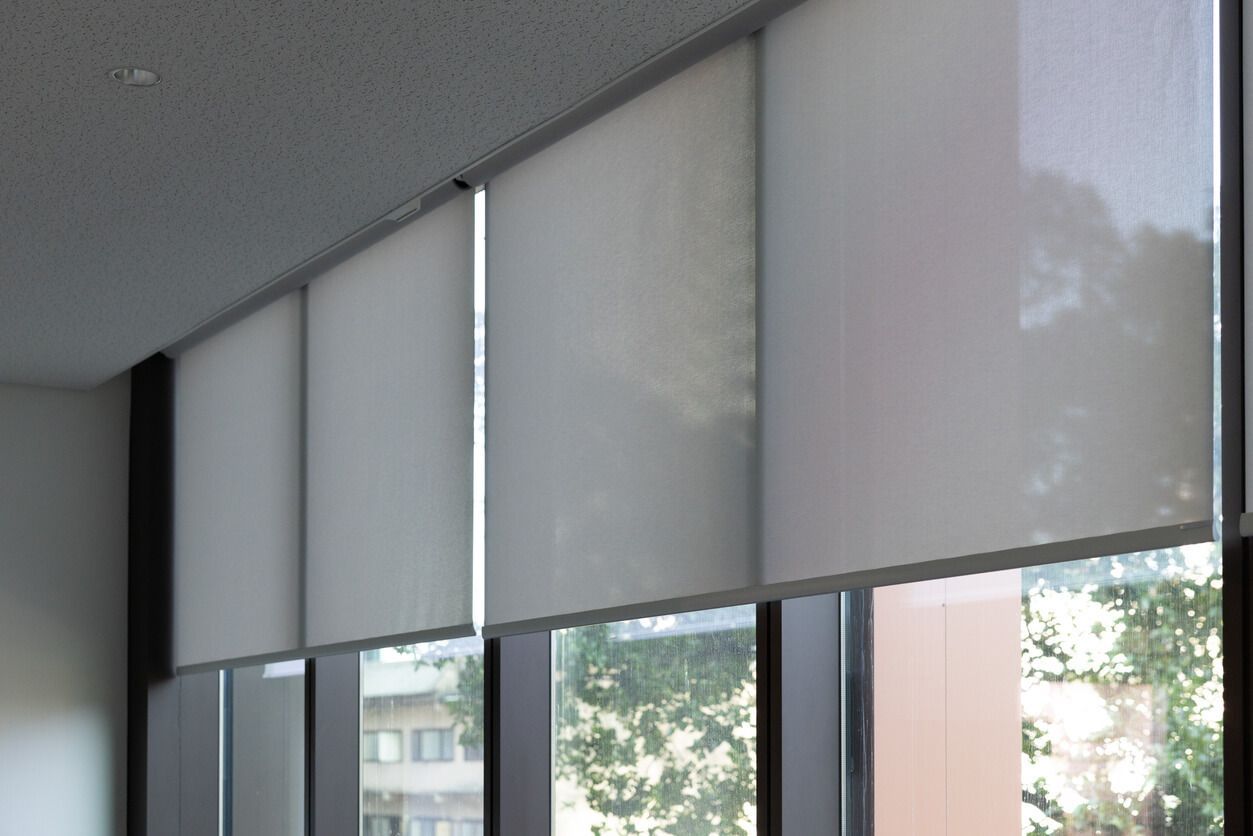
Flush-mounted motorized screen
July 1, 2026
Find details on flush mount patio shades for covered patios, including mounting style, fabric options, light control, and maintenance basics.
Commercial Shade Solutions
June 10, 2026
Learn how commercial shade solutions support outdoor comfort, sun protection, and functional spaces for businesses, schools, and public areas.
Poolside Pergola for Outdoor Shade
June 9, 2026
Explore how pergolas for pools add shade, define lounging areas, and blend with outdoor designs for a more comfortable poolside space.
pergola installation cost
June 8, 2026
A pergola can completely change the way a backyard feels. What starts as a bright, underused slab of concrete or an open patch of patio can become a defined outdoor living space with structure, comfort, and real purpose. It gives a seating area a ceiling without fully closing it in. It creates shade where there was none. And when it is designed well, it makes the whole property feel more finished. That said, one of the first questions homeowners ask is simple: what is the real pergola installation cost? The honest answer is that pergola cost can vary widely depending on size, materials, site conditions, and whether you choose a basic pergola kit or a fully custom installation. A small standard pergola built from budget-friendly materials will land in a very different price range than a large motorized system with lighting, electrical wiring, and premium finishes. In this guide, we will break down average cost ranges, labor costs, material costs, design factors, and the upgrades that push pricing higher. If you are planning to build a pergola in Texas or another hot, sun-heavy market, understanding these details upfront can help you make a smart investment and avoid surprises. Average Pergola Cost at a Glance For most homeowners, pergola cost falls somewhere between $3,000 and $15,000, though custom builds can go well beyond that. A basic pergola kit installed over a small patio may sit near the lower end, while larger pergolas with premium materials and integrated features can reach $20,000 or more. A useful way to think about pricing is per square foot. Many pergola installation estimates land between $20 and $60 per square foot for simpler systems. Higher-end custom pergolas, especially those with aluminum framing, retractable canopies, louvers, or built-in lighting, can climb to $75 to $150 per square foot or more. The total cost depends on what you are building, where it is going, and how much customization is involved. What Most Homeowners Spend on Pergola Installation Most homeowners are not buying the cheapest option on paper. They are trying to solve a real comfort problem in the backyard: too much sun, not enough shade, or an outdoor area that feels exposed and unfinished. Because of that, many homeowners end up somewhere in the middle of the market. For a typical pergola installation over a patio or deck, homeowners spending usually lands around $5,000 to $10,000. That range often covers a standard pergola with professional installation, moderate site preparation, and a material choice like pressure treated pine, cedar, vinyl, or aluminum. Once you move into custom pergolas with upgraded finishes or weather-control features, the higher price tag starts to make sense quickly. Pergola Cost by Size Size is one of the biggest drivers of pergola cost. The larger the structure, the more materials, labor, anchors, and finishing work are required. A pergola over a compact sitting area is simply a different project than one spanning a full outdoor kitchen and dining zone. Here is a general idea of pergola ranges by size: 8x8 pergola: about 64 square foot 10x10 pergola: about 100 square foot 10x12 pergola: about 120 square foot 12x16 pergola: about 192 square foot 16x20 pergola: about 320 square foot At $20 to $60 per square foot, a 10x10 pergola might cost roughly $2,000 to $6,000 before upgrades. A 12x16 structure could run $3,800 to $11,500 or more. If you build a pergola with premium aluminum pergolas, custom finishes, or integrated systems, the per square foot rate rises fast. This is why larger pergolas often feel disproportionately expensive. It is not just extra lumber or aluminum. Bigger spans may require heavier posts, stronger footings, additional labor, and more complex engineering. Pergola Installation Cost by Material The materials you choose affects not only the look of the pergola, but also the upfront cost, maintenance needs, and long-term durability. Some affordable materials look good on day one but demand more upkeep over time. Others come with a higher price tag but offer low maintenance and better performance in humid climates or extreme weather conditions. When comparing material costs, it helps to think beyond the initial invoice. A pergola that needs frequent staining, sealing, or repairs may cost less at first but more over the life of the structure. Pressure treated pine pergolas Pressure treated pine is often the most affordable wood option and one of the most common choices for homeowners trying to save money. It is widely available, structurally solid, and usually the most affordable wood option for a standard pergola. A pressure treated pine pergola may cost around $20 to $40 per square foot installed, depending on design and labor rates. It works well for many backyard projects, but it does require maintenance. In humid climates, wood movement, warping, and surface wear can show up over time if the pergola is not properly sealed and maintained. Cedar and Redwood Pergolas Cedar and redwood are popular because they offer a warmer, more natural wood appearance than pressure treated pine. They also have oils that make them naturally resistant to insects and decay. For homeowners who want a wood pergola with more character, these are often strong options. Redwood tends to cost more than cedar, and both are usually priced above pressure treated pine. Expect a cedar or redwood pergola cost to land around $30 to $70 per square foot installed, depending on the finish, post size, and design complexity. A custom wood pergola built from redwood can look stunning, especially when the wood grain is highlighted with stain, but it will still need maintenance to keep that finish looking sharp. Vinyl Pergolas Vinyl and aluminum pergolas appeal to homeowners who want a cleaner look and fewer maintenance headaches. Vinyl can be a solid option for a traditional pergola appearance without the routine sealing and staining of natural wood. Vinyl often falls around $25 to $50 per square foot installed. It is generally low maintenance, but quality matters. Lower-end products can feel a bit hollow or plasticky, especially in intense sun. Better systems are reinforced and weather resistant, but they may still lack the richness of a custom wood pergola. Aluminum Pergolas Aluminum pergolas are increasingly popular, especially in hot-weather markets where durability and low maintenance matter. A well-built aluminum structure is rust resistant, weather resistant, and well suited to humid climates. It also works beautifully for modern homes and contemporary patio designs. Installed aluminum pergolas often start around $40 per square foot and can easily exceed $100 per square foot for motorized or louvered systems. The upfront cost is higher, but many homeowners like the tradeoff: less maintenance, clean lines, and excellent long-term performance. In many cases, aluminum pergolas are the smarter investment for a heavily used outdoor living space. Labor Costs and Installation Pricing Labor costs are a major part of any pergola installation. In many cases, labor accounts for 30% to 50% of the total project cost. A simple pergola kit on a level patio is one thing. A custom structure tied into existing structures, adjusted for slope, or built around outdoor kitchens and lighting plans is another. Labor costs typically include layout, footing work, anchoring, framing, assembly, leveling, trimming, and finish work. Local labor rates also matter. In busy metro areas or regions with strong demand for outdoor upgrades, labor rates can push the estimate higher. Professional installation usually costs more than a DIY route, but it can prevent expensive mistakes. A pergola is not just decorative. It is a structural element exposed to wind, rain, heat, and constant movement in the outdoor environment. If the posts are not anchored properly or the structure is not engineered for the site, the savings disappear quickly. Pergola Kit vs Custom Pergolas A pergola kit can be a good fit for homeowners who want a faster, more standardized solution. A typical pergola kit comes with pre-cut materials, hardware, and assembly instructions. Some are wood, some are vinyl, and some are aluminum. A diy pergola kit can reduce upfront cost, especially if you handle part of the work yourself. But pergola kit pricing is not always apples to apples with custom pergolas. Kits often assume ideal site conditions, standard dimensions, and fewer design changes. Once you add delivery, anchoring, concrete work, staining, or professional installation, the total cost can move closer to a custom job than people expect. Custom pergolas cost more because they are designed around your exact outdoor area. That matters when the patio is oversized, the slab is sloped, the home has unusual rooflines, or you want the pergola design to match existing structures. Custom builds also make room for details like integrated shade systems, lighting, fans, and tailored proportions that make the final result feel intentional rather than off-the-shelf. Site Preparation and Hidden Costs The part homeowners often overlook is site preparation. You may be focused on the pergola itself, but the installation crew has to deal with the actual conditions on the ground. If the patio is uneven, if drainage is poor, or if there is no suitable footing location, the project gets more complicated. Site preparation can include clearing the area, removing old concrete, pouring footings, reinforcing a slab, adjusting for elevation changes, or working around existing structures. These issues add additional labor and additional materials. They also add time. This is one reason pergola installation cost can vary wildly from one house to the next. Two homes may want the same pergola kit, but one goes onto a clean level pad while the other needs demolition, layout changes, and custom anchoring. Same product, very different project. Building Permits and Local Code Requirements Depending on where you live, building permits may be required for pergola installation. This is especially true for larger pergolas, attached systems, motorized units, or structures with electrical wiring. Local building codes may also dictate footing depth, post size, setbacks, wind ratings, and attachment methods. Building permits and code compliance can add additional fees to the total project cost, but they are not optional details to brush aside. In areas with strong wind exposure or intense weather, code requirements exist for a reason. A pergola should look beautiful, but it also needs to behave like a real structure when the weather turns rough. If you plan to build a pergola with lighting, fans, heaters, or motorized shade, local building codes become even more important. Electrical wiring must be installed safely and correctly, and permit requirements may expand once power is involved. Extra Features That Increase Total Cost Base pricing only tells part of the story. The features you add can transform a simple pergola into a true outdoor living space, but they also increase the total cost. Extra features that commonly raise pergola cost include: Motorized shade systems Retractable canopies Louvered roofs Lighting packages Ceiling fans Electrical wiring Privacy walls or screens Upgraded stains and finishes Decorative post wraps Integrated drainage These custom features can make a huge difference in comfort and usability. A pergola with no shade control may look great in photos but feel too hot in a Texas summer. A pergola with integrated shade and airflow control can turn a patio into a usable room for much more of the year. Maintenance and Long-Term Ownership Costs Maintenance matters more than people think. A wood pergola can be beautiful, but it comes with maintenance needs. Depending on the species and finish, you may need to stain, seal, clean, and inspect it regularly. Natural wood has character, but it also moves, ages, and reacts to heat and moisture. That is why many homeowners are drawn to vinyl and aluminum pergolas. These materials are generally low maintenance and easier to keep looking clean. Aluminum in particular is attractive for buyers who want something modern, durable, and rust resistant without committing to regular refinishing. If your goal is long-term value with less upkeep, low maintenance materials may justify the higher upfront cost. If your goal is warmth, texture, and classic wood charm, then a wood pergola may still be the right choice. It depends on how you want the structure to live over time, not just how it looks on install day. Does a Pergola Add Home Value? In many cases, yes. A well-designed pergola can improve home value by making the backyard more functional and visually appealing. It helps define the outdoor space, creates usable shade, and can make a patio feel like an extension of the house rather than an afterthought. That does not mean every pergola delivers the same return. A poorly placed or cheaply built pergola may not do much for home value. But a thoughtfully designed structure that fits the home, improves comfort, and enhances the outdoor living space can absolutely make the property more attractive to future buyers. This is especially true in markets where outdoor entertaining matters. A new pergola over a dining area, lounge zone, or poolside patio can make a strong impression because buyers can instantly picture themselves using it. When Is the Best Time to Build a Pergola? If you want the best scheduling flexibility, the off season is often a smart time to start. Late fall and winter may offer easier scheduling than the spring rush. Some contractors may also have more room to fine-tune the design and timeline before demand spikes. Early spring is another popular window because homeowners want the project finished before summer heat sets in. The catch is that early spring often books up fast. If you wait until everyone else is thinking about shade, you may be looking at several weeks before installation begins. Planning ahead also gives you time to compare materials, evaluate pergola ranges, and decide whether a pergola kit or custom system makes more sense for your backyard. How to Save Money Without Cutting Corners If you want to save money on a pergola project, the goal should not be to strip everything down until the final result disappoints you. The better strategy is to spend where performance matters and simplify where it does not. A few smart ways to save money include choosing a standard pergola size, limiting custom builds, using affordable materials where appropriate, and avoiding unnecessary decorative add-ons. Pressure treated pine remains an affordable wood option for many homeowners. A pergola kit can also reduce cost if your site is simple and your expectations are realistic. You can also save money by planning the full project early. Last-minute changes create additional labor, additional materials, and delays. The cleaner the scope, the smoother the installation. That matters whether you are building pergolas for a compact patio or a large backyard entertaining zone. So, How Much Should You Budget? A realistic budget for pergola installation depends on what kind of structure you want to live with for the next ten or fifteen years. For a simple pergola kit, you may spend a few thousand dollars. For a mid-range custom installation, many homeowners land in the $5,000 to $10,000 range. For premium aluminum pergolas or highly customized systems with shade controls and electrical wiring, the total project cost can move well above that. The best way to think about pergola installation cost is not as a single number but as a spectrum. Materials, labor, size, design complexity, permits, and features all shape the final price. And in a climate where heat and sun can make an outdoor area feel unusable for half the day, the right pergola is not just a decorative add-on. It is a comfort upgrade. If you are comparing options, focus on how the pergola will actually perform in your space. The cheapest route is not always the best value. A well-built pergola that matches your home, handles the weather, and creates real shade can pay you back every time you step outside and actually want to stay there.
custom outdoor shades
June 4, 2026
See how custom outdoor shades are measured and designed to fit your patio and create a seamless outdoor living space tailored to your home.
May 6, 2026
Planning an outdoor upgrade? Learn how long pergola installation takes, from 1-day modular setups to custom motorized systems. Explore the factors that affect your timeline.
May 4, 2026
Aluminum vs wood pergola comparison covering maintenance, durability and lifespan. Find out which option is best for long term outdoor living.
May 4, 2026
Retractable pergola systems give you flexible shade and comfort. Learn the pros, cons, and best backyard uses to decide if it is the right fit for your space.
May 4, 2026
Louvered pergola systems let you control sun, shade and airflow. Learn how they work, key benefits and why they are ideal for outdoor living spaces.
April 29, 2026
Discover how wind resistant shade systems protect coastal and high-wind patios. Compare motorized shades, awnings, and guide rails built to last.