Choosing the Best Retention Tech for Motorized Shades
If you are investing in a large outdoor shade system for a custom home, pool terrace, covered patio, or coastal build, the motor is only part of the story. The more important question is what happens after the shade drops. Does the fabric stay captured, tensioned, and stable when afternoon wind starts pushing against it? Or does it behave like a loose sail, flexing, rattling, and pulling away from the opening?
That is where retention technology matters.
When people search for the best retention tech for motorized shades, they are usually not comparing remote control features or debating whether smart shades are convenient. They are trying to understand which engineering approach actually protects a serious outdoor living investment. On high-end homes and exposed projects, retention is what separates a decorative screen from a structural shade system that can work flawlessly in real weather.
For Shade Doctor clients, especially in storm-prone and heat-heavy markets, this is not an abstract design discussion. It is about how to keep fabric panels tracking inside side channels, reduce movement under pressure, improve bug resistance, and preserve the clean architectural lines that make luxury outdoor spaces feel finished instead of improvised.
Why retention technology matters more than the motor
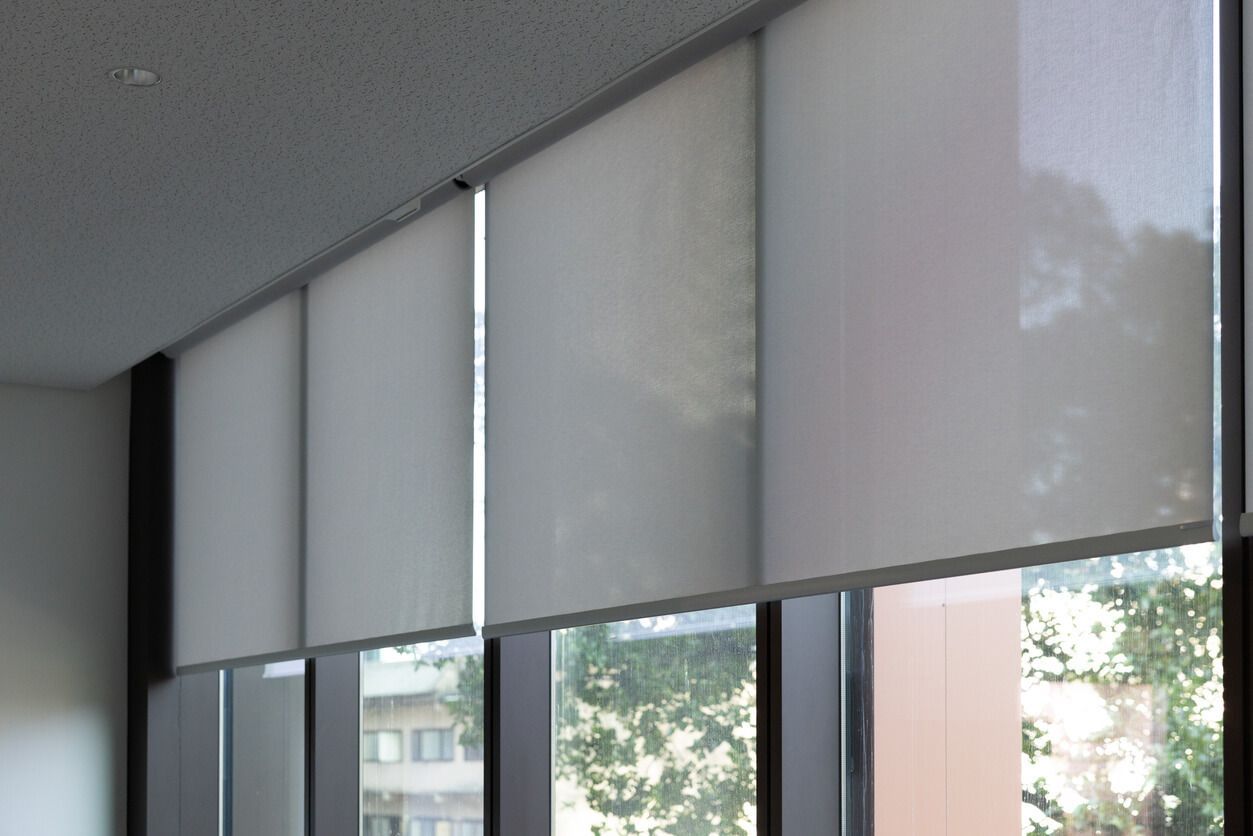
A lot of buyers start with the motor because it is the visible feature. They picture smart blinds, a sleek remote control, maybe even voice commands through a smart home platform. That matters indoors, where motorized blinds, roman shades, zebra blinds, honeycomb shades, and other motorized window treatments are often selected for convenience, child safety, and daily life automation.
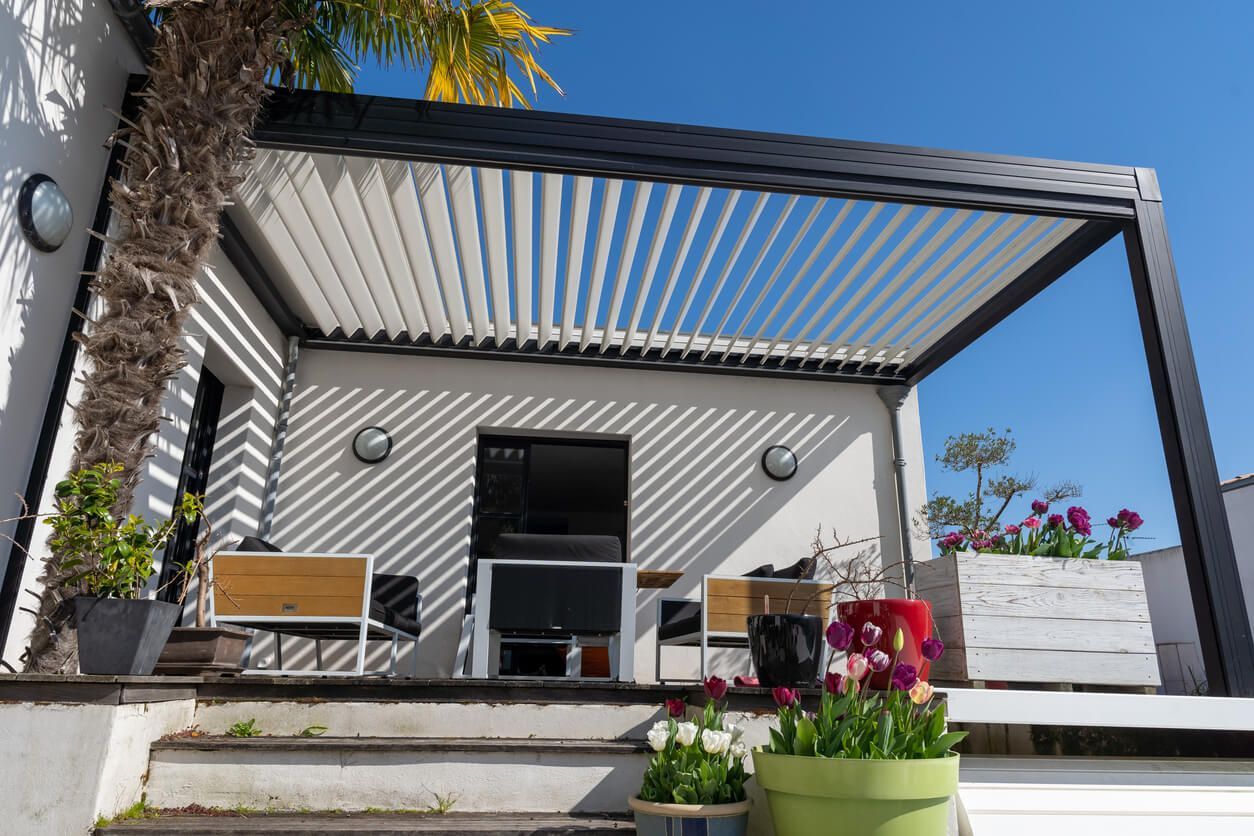
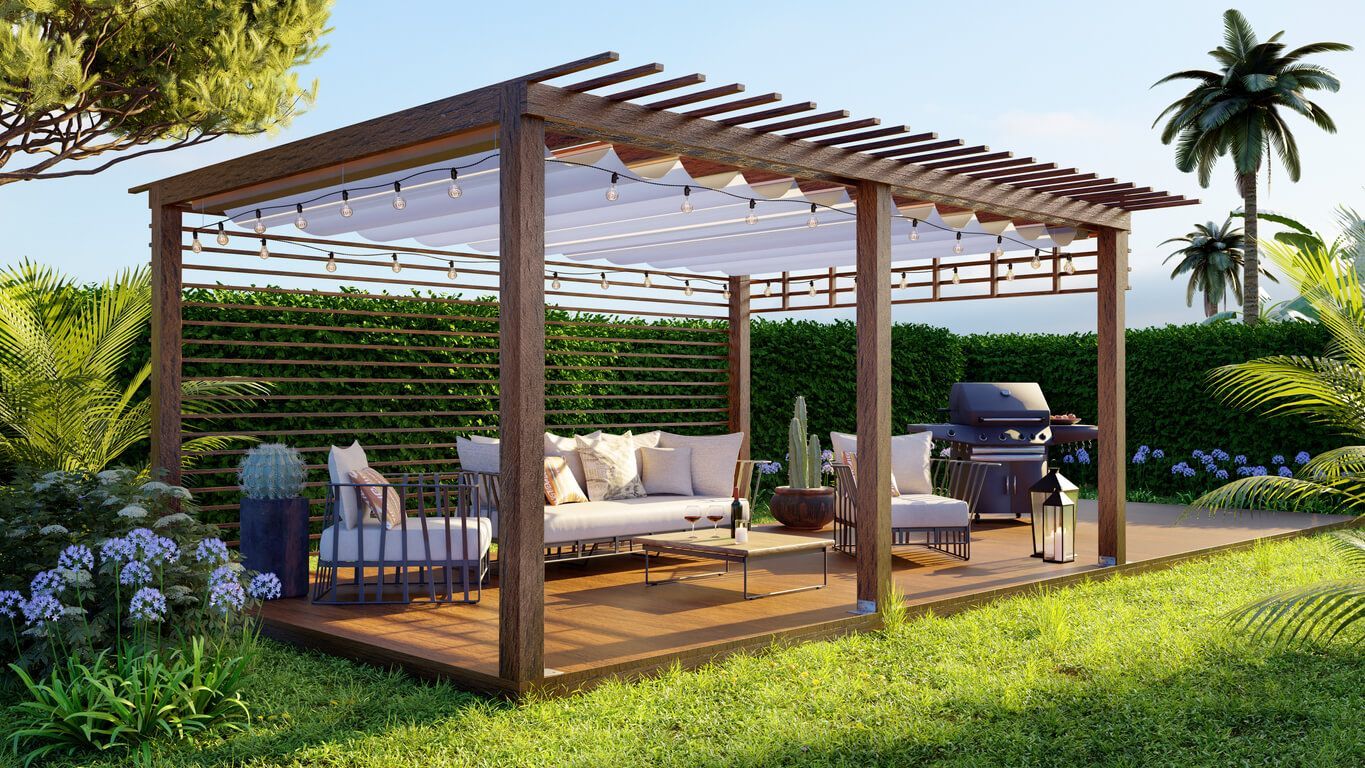
Outdoor openings are different. A patio shade spanning ten, fifteen, or twenty feet is dealing with gravity, wind load, fabric deflection, and pressure changes. In that environment, the retention system is the mechanical backbone. The motor simply moves the fabric. The retention technology determines whether the shade remains aligned, whether it seals against the opening, and whether it can handle larger windows and wider spans without looking tired after one storm season.
This is why the best outdoor systems are not just motorized shades. They are engineered motorized systems with captive side retention that keeps the panel engaged from top to bottom. Without that, even premium fabric and strong motors can underperform.
Free-hanging shades vs captive-retention systems
The most useful comparison is between standard free-hanging roller shades and heavy-duty side-retained systems.
A free-hanging unit works a bit like a simple roller shade or some interior window shades. The fabric drops from a headbox and hangs with a weighted bottom bar. On a calm day, it can look fine. But once wind enters the picture, the panel starts to move. It can bow inward, kick outward, slap against posts, and drift away from the side edges. That movement reduces security, weakens insect control, and puts wear on the fabric and hardware.
A captive-retention system is different. The edges of the fabric are mechanically held inside vertical side channels, so the panel is not just hanging there hoping to behave. It is guided. It is restrained. It is kept under uniform tension. Think of it like the difference between a sheet draped over a doorway and a door that actually rides inside its frame.
That is why property owners who care about durability should spend time reviewing motorized outdoor shades with side track. Side retention is not a cosmetic upgrade. It is the piece that allows outdoor motorized shades to perform like a real enclosure system rather than a decorative flap.
What “retention” actually means in engineering terms
Retention technology refers to the method used to keep a shade panel engaged with its side guides while it travels up and down. In better systems, the fabric edge includes a welded zipper, spline, or keder-style element that locks into the vertical track. The track itself is shaped to maintain engagement while allowing smooth motion.
That engagement does several things at once. First, it prevents the fabric from pulling loose during normal wind events. Second, it helps maintain surface tension across the opening, which keeps the shade looking flatter and more refined. Third, it improves edge closure, which matters for bugs, glare, privacy, and sun control. Fourth, it reduces the jerky, wandering behavior that can happen when a large panel has too much freedom.
The best systems also balance retention with controlled movement. If the track grips too tightly, the shade may struggle to move, wear unevenly, or require excessive force from the motor. If it is too loose, the panel chatters and loses the benefits of retention. Good design lives in that narrow middle ground where the shade can move smoothly and still stay captured under pressure.
The best retention systems keep the fabric tracking under load
A luxury shade system should not only look clean when fully lowered. It should stay clean-looking when conditions change.
This is where track geometry and tension design become critical. In a quality captive system, the fabric remains centered and engaged inside the channel as wind pushes against the face of the screen. The bottom bar stays aligned. The side edges do not peel away. The whole assembly feels less like loose window coverings and more like a fitted architectural component.
That matters on projects with open-air kitchens, second-story balconies, lakefront patios, and coastal entertaining spaces. These are not sheltered breakfast nooks. They are exposed outdoor rooms. If the shade cannot maintain tracking, the entire installation starts to feel compromised.
For builders and architects, this is also a detailing issue. A retained panel creates more predictable sightlines, cleaner closure, and a more premium finish. It is the difference between a shade that seems integrated into the structure and one that looks added after the fact.
Why coastal and storm-prone properties need better retention tech
Coastal homes and southern outdoor spaces take a beating. Salt air, humidity, UV exposure, and sudden wind gusts all punish weak assemblies. Even inland markets can see fast-moving storms, pressure shifts, and seasonal wind events that expose the limits of standard free-hanging screens.
That is why retention should be evaluated alongside wind performance, not after it. A side-retained system is better equipped to resist blowout, reduce edge flutter, and preserve tension across the opening. It also helps protect adjacent finishes by limiting the repeated impact of moving fabric and bottom bars.
In practical terms, this means fewer callbacks, less visible wear, and a better owner experience. The shade does not feel fragile. It feels deliberate.
If you are specifying a system in a weather-exposed market, it also helps to review broader performance considerations in High-Wind Shade Systems: Engineered for Coastal Durability. Retention and wind resistance are deeply connected. One is not meaningful without the other.
Retention also affects bugs, privacy, and comfort
Many people think of retention only in terms of wind, but the benefits go further.
When the fabric stays captured inside the side channels, the gap between the screen edge and the structure is reduced. That improves the enclosure effect. On patios and lanais, that can help with flying insects, especially in humid evening conditions where lights pull bugs into the space. It will not create a laboratory seal, but it is far more effective than a free-hanging shade with open side gaps.
Retention also improves privacy and visual comfort. A tensioned screen presents a more consistent surface, which helps with glare reduction and sunlight management. In outdoor rooms where low-angle sun can be brutal, especially on west facing windows and exposed patio openings, a retained screen can make the space more usable throughout the day.
This is where outdoor performance starts to overlap with concepts people know from indoor window treatments. Homeowners already understand that light filtering, blackout shades, cellular shades, and sheer shades all affect comfort differently. Outdoors, retention plays a similar role by making sure the chosen fabric can actually do its job consistently once it is deployed.
Not all side tracks are equal
It is easy to hear “side track” and assume every retained system performs the same. They do not.
Some tracks are little more than visual guides. They reduce side-to-side drift but do not truly capture the fabric. Others use a more robust zipper retention system that keeps the panel mechanically locked into the channel. For large spans, tall openings, and high-end applications, that difference is huge.
A weak guide can still allow disengagement under pressure. A true retention system is designed so the panel remains in the track under normal operating loads and common weather events. The hardware, fabric edge construction, bottom bar weight, and motor calibration all have to work together.
This is why precise measurements matter so much. Even excellent retention technology can underperform if the opening is measured casually, the wall conditions are ignored, or the window frame and mounting plane are out of tolerance. Outdoor shades are not plug in gadgets like small electric blinds from a retail shelf. They are custom-fitted architectural assemblies that need exact sizing and a realistic understanding of the structure.
How retention fits into luxury design and hidden installation
On premium homes, performance and appearance are tied together. Owners do not want industrial hardware disrupting a carefully designed outdoor room. They want the shade to disappear when retracted and feel built-in when lowered.
That is why retention should be considered early in the design process, especially for new construction. The side channels, headbox dimensions, recess depth, and mounting conditions all affect how clean the final installation looks. A retained shade can be beautifully integrated, but only if the structure is prepared for it.
If you are planning a custom build, Designing Flush-Mounted Motorized Screens Into New Home Construction is worth reading. Hidden-pocket planning makes it easier to combine strong retention technology with the crisp, minimalist finish that luxury projects demand.
What buyers should ask before choosing a retention system
The simplest way to compare products is to stop asking only about motor features and start asking about mechanical behavior.
Ask how the fabric edge is retained in the track. Ask whether the system is a true captive design or just a guided screen. Ask what happens when gusts hit the panel. Ask whether the bottom bar remains aligned. Ask how the system handles larger windows and wide patio openings. Ask what power options are available, including wired power, battery powered configurations, and whether a plug in setup is appropriate for the installation.
Those power options matter, but they are secondary to structural performance. A smart home owner may want smart home integrations, google home support, amazon alexa compatibility, a smart device app, or the ability to set schedule routines and automatically adjust shades throughout the day. Those are useful features. They add convenience. They can automatically raise or lower screens based on time or sun exposure.
But no amount of home automation can compensate for weak retention. A beautifully programmed shade that swings out of its channel in wind is still the wrong system.
Indoor language can confuse outdoor buyers
One reason people struggle with this topic is that search results often blend indoor and outdoor terminology. You will see discussions of motorized blinds, electric blinds, smart blinds, roman shades, zebra blinds, roller shades, blackout shades, honeycomb shades, and cellular shades all on the same page. Some of those terms belong to interior window coverings, not exterior patio systems.
That overlap matters because indoor priorities are different. Inside the home, buyers may focus on natural light, daylight control, direct sunlight, harsh sunlight on furnishings, heat gain, heat loss, energy bills, and energy savings. They may compare energy efficient window attachments, look at studies from the U.S. Department of Energy on window attachments and energy efficiency, or choose light filtering fabrics to save energy and reduce heat loss.
Those are valid concerns for interior motorized window treatments. Outdoor retained shades, however, are first and foremost about opening control, weather management, durability, and usable space. They can absolutely support thermal comfort, reduce glare, and help manage heat before it reaches the glass. In some cases, they may even lower energy costs by reducing solar load on adjacent interiors. But their defining feature is not that they behave like indoor smart shades. It is that they can survive and perform outside.
Are premium retained motorized shades worth it?
For the right property, yes, motorized shades worth buying are the ones that solve the actual problem.
If your goal is to soften sunlight on a mild, protected porch, a simpler system may be enough. But if you are building an outdoor room that needs to function in heat, wind, bug season, and unpredictable weather, retention technology is where the value lives. It protects the fabric. It supports better operation. It improves comfort. It helps the installation look more finished over time.
This is especially true when the shade is part of a larger outdoor investment. If you have already spent heavily on stone, cabinetry, appliances, lighting, and custom ceilings, it makes little sense to save money on the one moving element that must handle the environment every day. Cheap retention is like putting bargain tires on a performance car. The weakest point determines the experience.
The real benchmark for the best retention tech for motorized shades
The best retention tech for motorized shades is not the one with the flashiest app or the most voice commands. It is the one that keeps the panel engaged, tensioned, and stable in the real-world conditions your property actually faces.
That usually means a true side-retained, captive-track system engineered for exterior use, custom measured for the opening, and installed by a team that understands both architecture and weather exposure. In high-end residential work, that is the standard worth aiming for.
When the right system is specified, the result feels effortless. The shade drops smoothly. The edges stay clean. The fabric stays where it belongs. The patio becomes a usable room instead of a seasonal gamble. And that, more than any app feature or motor spec, is what separates a premium motorized shade installation from an expensive disappointment.