Shading the Workspace: Transforming Corporate Office Patios
For a long time, the corporate office patio was treated like a brochure prop. A few metal tables, a planter or two, maybe a bench facing the courtyard, and that was enough to suggest a modern workplace. In reality, most of those spaces sat empty by 10 a.m. because the sun was too harsh, the glare made laptop screens unreadable, and the heat turned a promising outdoor office into dead square footage.
That is changing fast.
Today’s facility directors, leasing agents, and HR leaders are looking at exterior common areas with a sharper eye. They are asking how to turn a courtyard into a productive outdoor workspace, how to make outdoor break areas actually usable throughout the day, and how to create an environment that helps attract talent without starting a full building expansion. That is where corporate outdoor workspace shades become more than an amenity. They become infrastructure.
When a patio is equipped with motorized zipper-track screens, retractable awnings, and other adaptable shade structures, it stops being decorative and starts working. Employees can answer emails in fresh air, hold one-on-one meetings outside, or move from indoor spaces to a quieter outdoor office without fighting sun, glare, or wind. A shaded courtyard becomes a pressure valve for the workplace and a real asset for the business.
Why the Modern Office Patio Needs to Do More
The workplace has changed, but many office exteriors have not kept up. Companies now compete not only on salary and title, but on experience. That includes where employees spend their day, how flexible the office feels, and whether the environment supports concentration, collaboration, and recovery between tasks.
A neglected outdoor space sends the opposite message. It suggests the building was designed for appearances, not performance. When that same space is upgraded with proper shade, outdoor seating, power access, and weather protection, it begins to function like an extension of the office rather than an afterthought. The courtyard becomes usable for outdoor work, quick meetings, lunch breaks, and informal conversations that often move projects forward faster than another scheduled conference room call.
There is also a practical side to this shift. According to the U.S. Environmental Protection Agency, Americans spend about 90% of their time indoors, which makes access to fresh air and varied environments especially valuable in the workday. For employers focused on retention and wellness, that matters. Giving employees a comfortable outdoor office option is not a gimmick. It is a way to make the workplace feel more human.
The Biggest Problem With Outdoor Office Space Is Not the Patio
Most corporate patios are not failing because they lack square footage. They fail because they lack control.
Sun angles change throughout the day. A courtyard that feels pleasant at 8:30 can become blinding by lunch. A breezy outdoor space can feel excellent in spring and miserable in late summer. Without systems that block glare, provide shade, and keep employees protected from heat and light rain, even an attractive office patio becomes unreliable.
That unreliability is what keeps employees indoors. If they cannot count on a space being functional, they will not bring a laptop out there, schedule a meeting there, or settle into focused work. The answer is not simply to add umbrellas and hope for the best. It is to install shade structures designed for commercial use and daily adjustment.
How Motorized Zipper-Track Screens Create a True Outdoor Office
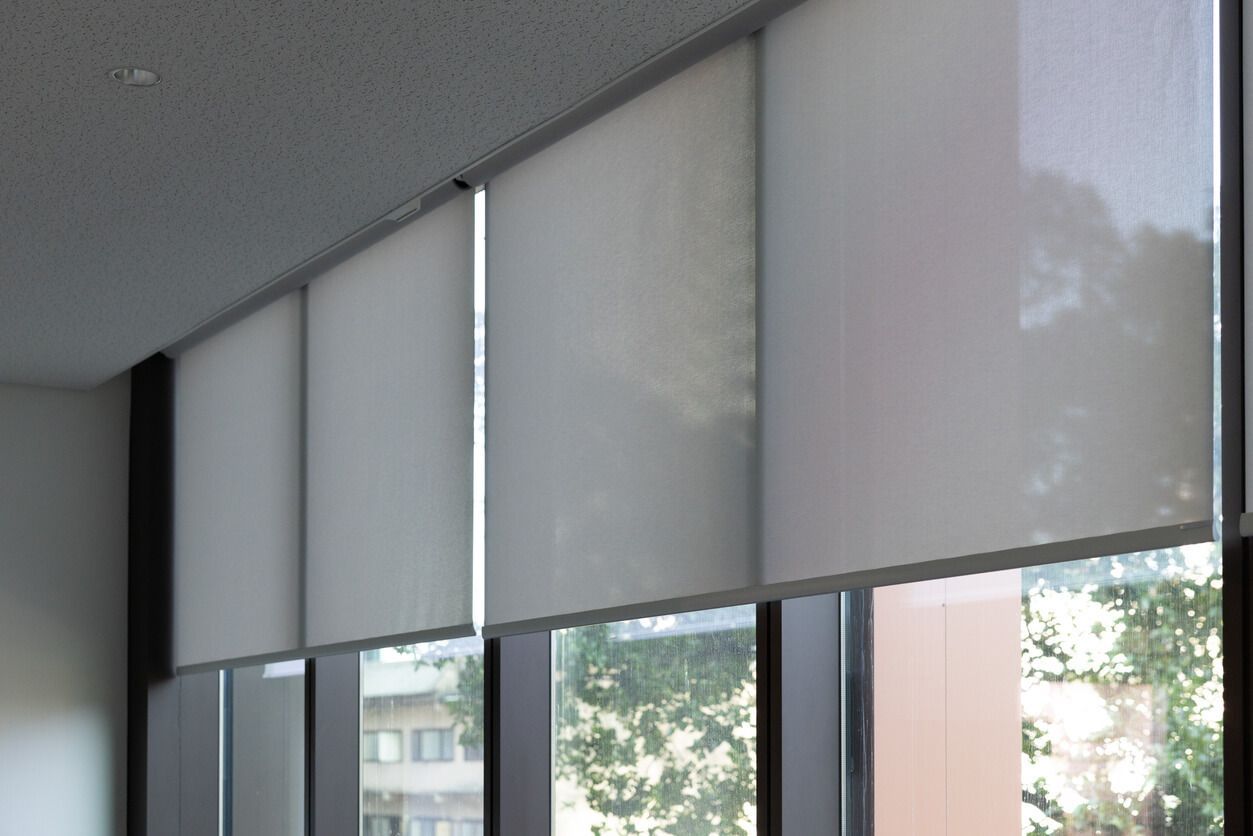
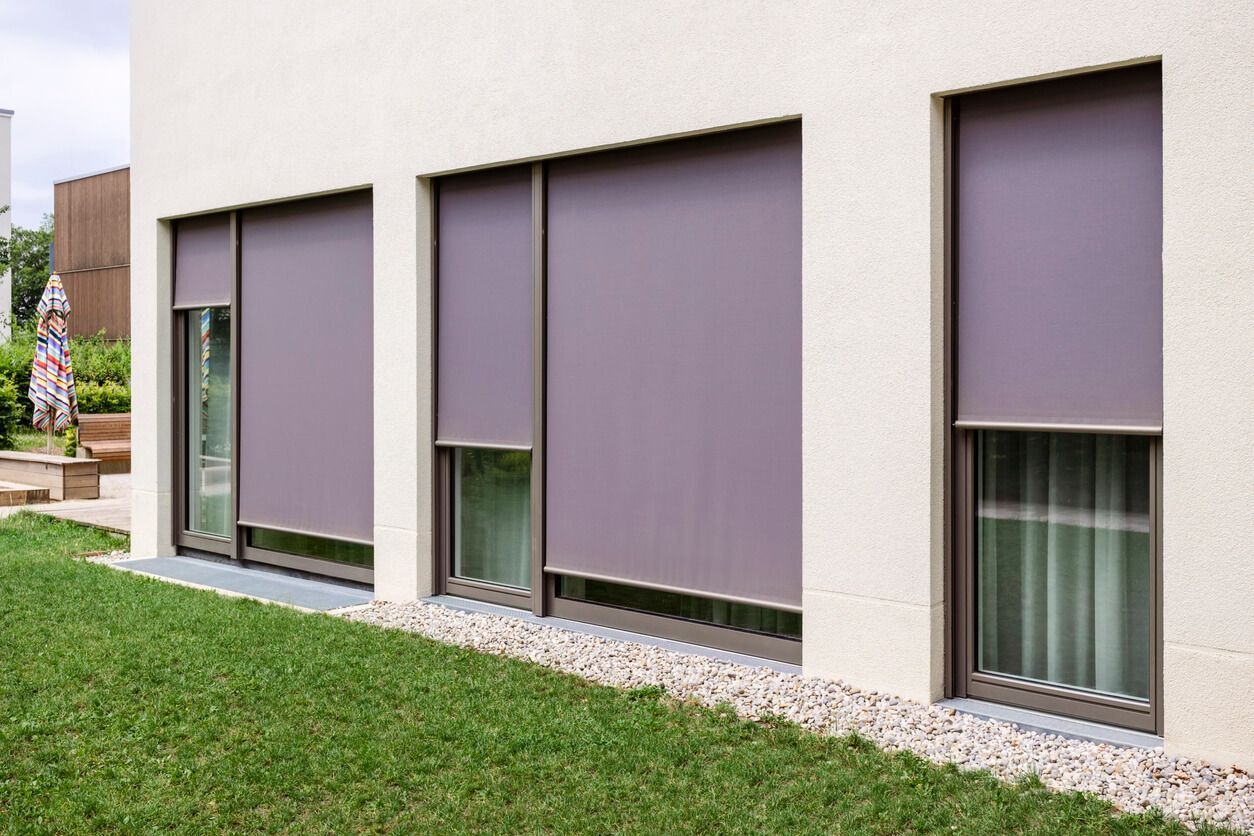
Motorized zipper-track screens are one of the most effective solutions for turning a courtyard or patio into a productive outdoor workspace. Unlike loose screens or basic canopy options, zipper-track systems are engineered to stay guided within side tracks, creating a more stable barrier against sun, glare, wind, and light weather.
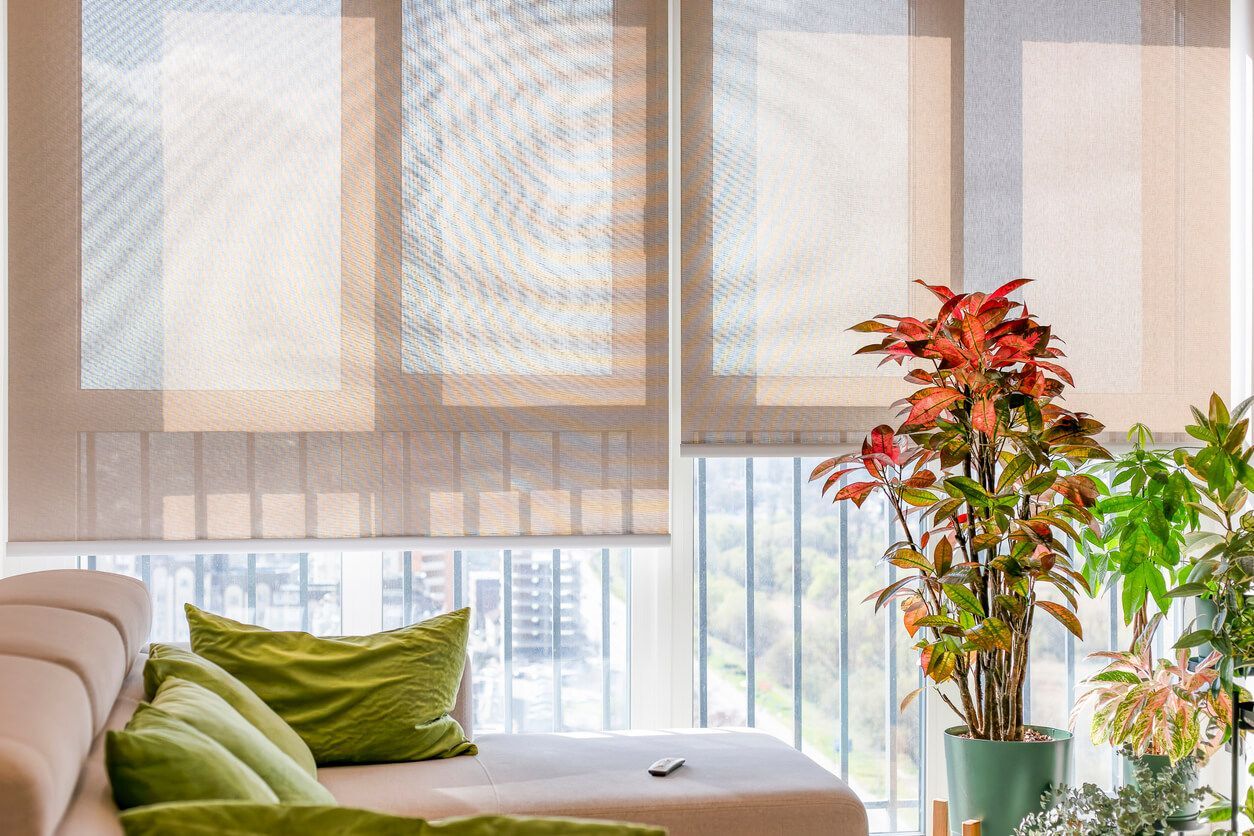
That matters in a corporate setting. Employees using laptops outdoors need more than partial cover. They need a space where screens remain visible, seating stays comfortable, and the environment does not shift from usable to unbearable in twenty minutes. These systems help block harsh sunlight while still allowing natural light to filter through. The result is a brighter, more balanced outdoor office that feels open instead of sealed off.
For teams comparing options, this overview of motorized outdoor shades with side track helps explain why guided screen systems are often better suited to demanding commercial environments than basic drop shades.
Glare Control Is What Makes Laptop Work Outdoors Possible
If you want employees to actually work in an outdoor office, glare control is not optional. It is the hinge the whole idea swings on.
People can tolerate a little warmth. They can move a chair. They can sip iced coffee and laugh off a brief breeze. But they cannot stay productive when sunlight washes out a screen and forces them to hunch like they are trying to decode a message on a phone at the beach. That is when the outdoor workspace stops being productive and becomes performative.
Well-designed screens and awnings block direct sun without making the courtyard feel dark. They reduce visual strain and help employees maintain focus. In practical terms, they make it possible to read a spreadsheet, review a presentation, or respond to email without retreating back indoors after five minutes. That is the difference between an outdoor break area and a genuine outdoor office.
Shade Structures That Adapt Throughout the Day Outperform Static Solutions
A fixed canopy can provide shade at one hour and fail at another. The same is true of trees, pergolas, and permanent shade structures that look impressive in renderings but cannot react to shifting sun exposure.
Adaptability is what separates a functional workspace from a nice-looking courtyard. Motorized screens and retractable awning systems can be adjusted throughout the day as the sun moves across the building. That flexibility allows facility managers to provide shade where it is needed most without overcommitting the space to one condition.
This is especially important for shared office environments, multi-tenant properties, and leasing-driven campuses. One tenant may use the patio for solo outdoor work in the morning, another may host lunch meetings at noon, and another may want a more open feel for an evening event. Shade structures that can open, close, and respond to changing conditions give the property far more utility than static installations alone.
The Connection Between Employee Comfort and Property Value
Employee comfort sounds soft until you follow it to the balance sheet.
A commercial outdoor space that employees actually use supports leasing appeal, tenant satisfaction, and workplace differentiation. It helps companies create a more dynamic office experience without adding interior square footage. For HR teams, it supports recruiting narratives around flexibility, wellness, and culture. For leasing agents, it gives tours something stronger than buzzwords. Prospective tenants can see the benefit with their own eyes: a courtyard that works.
For owners and operators, this is an investment in underused real estate. A shaded patio can function as overflow meeting space, casual touchdown space, outdoor seating for lunch, or a quiet zone between calls. It gives the building more ways to serve the business day. In a competitive leasing market, that kind of functional upgrade can help a property feel current rather than dated.
What to Include in a Productive Outdoor Workspace Design
The best outdoor office setups are not accidental. They combine several elements so the space feels protected, comfortable, and easy to use.
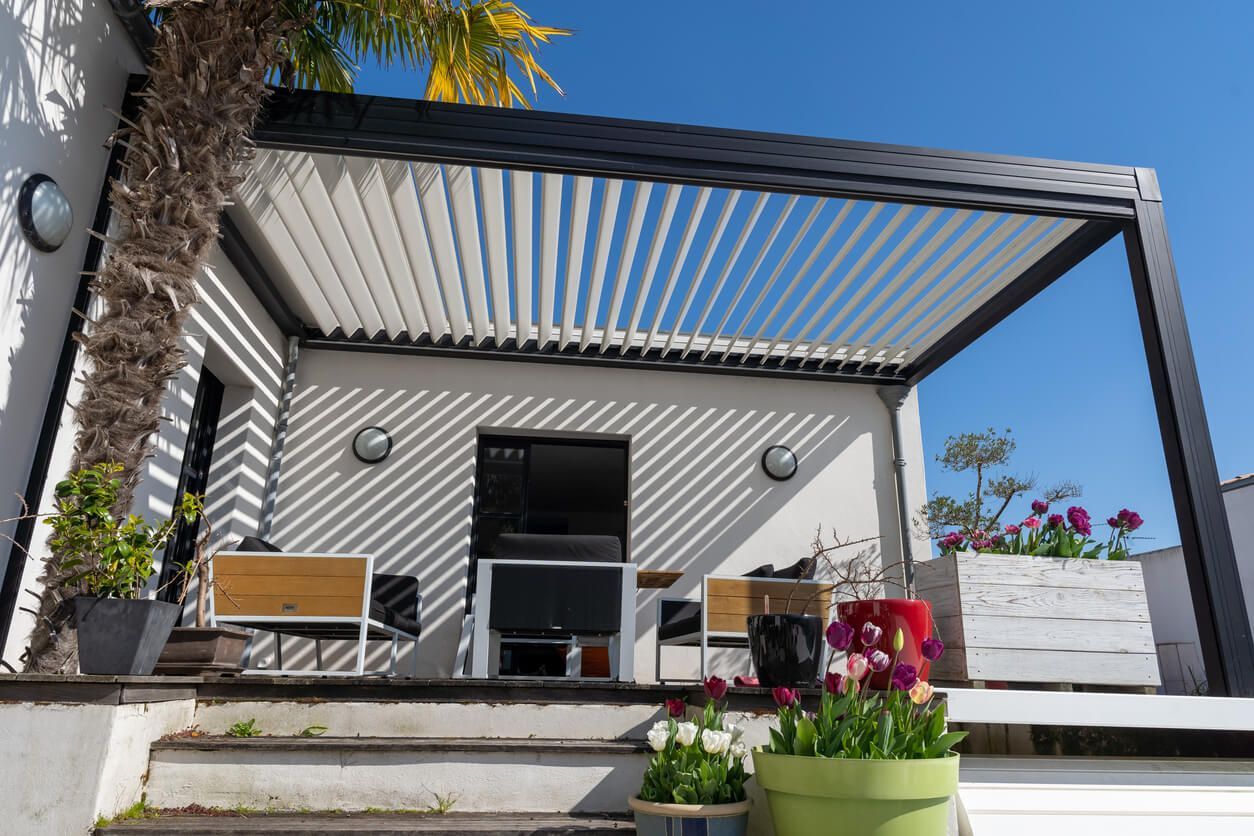
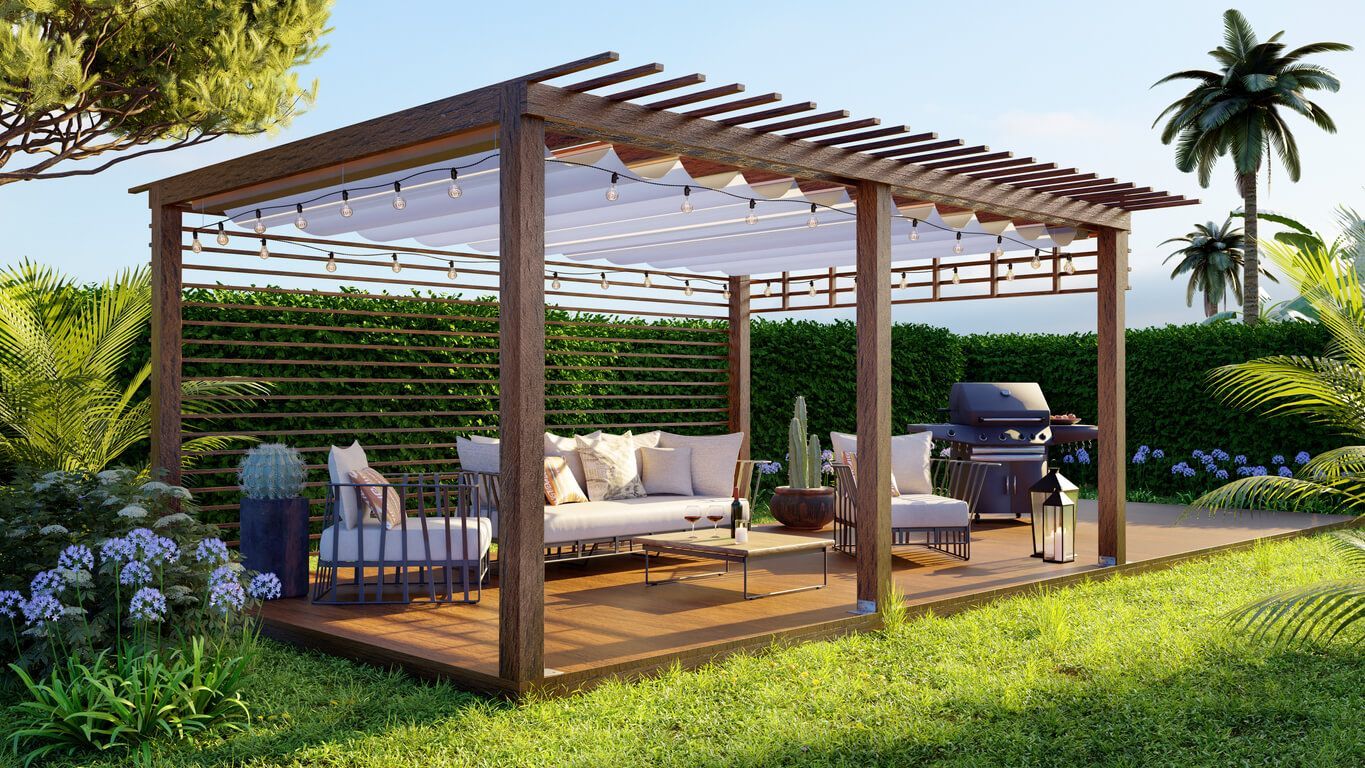
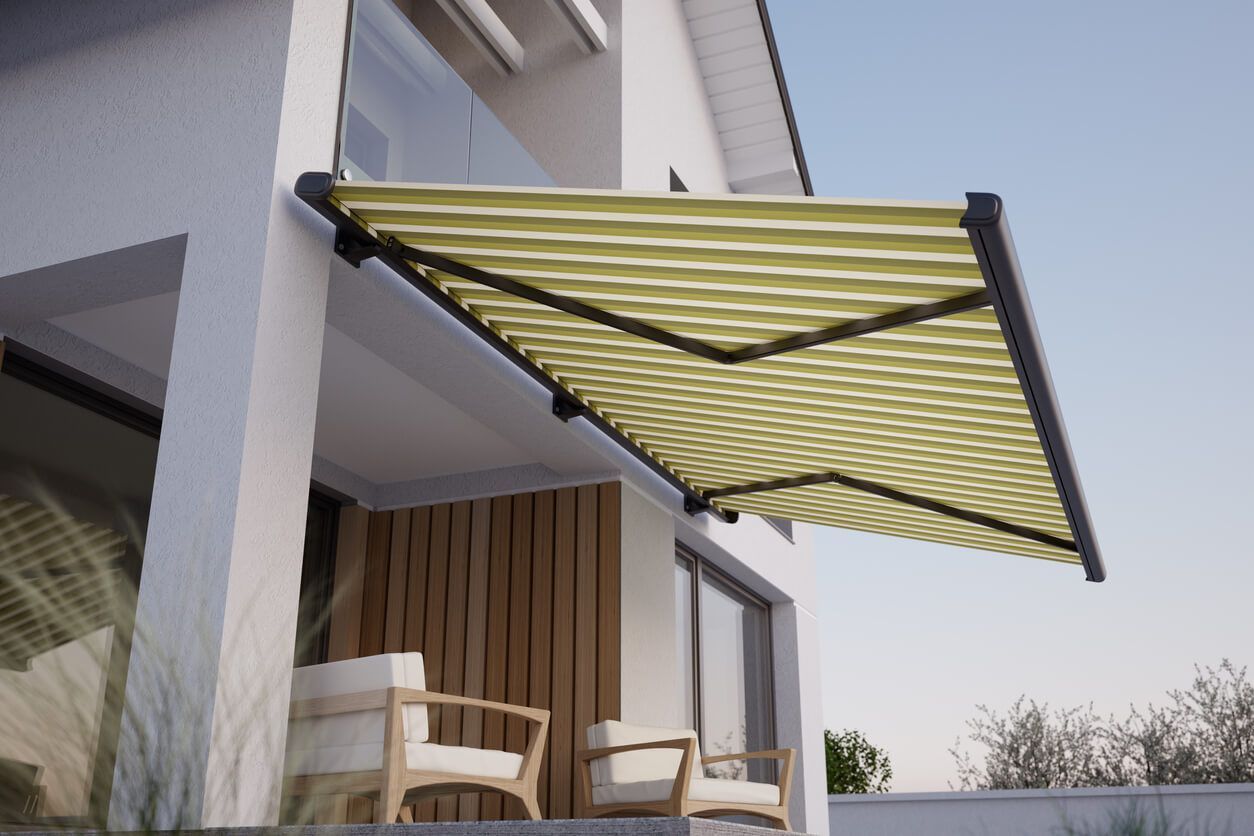
Start with shade. That may include retractable awning systems over the patio, zipper-track screens along the courtyard edge, or a layered approach that uses multiple shade structures to block direct sun from different angles. The goal is to provide shade without sacrificing openness.
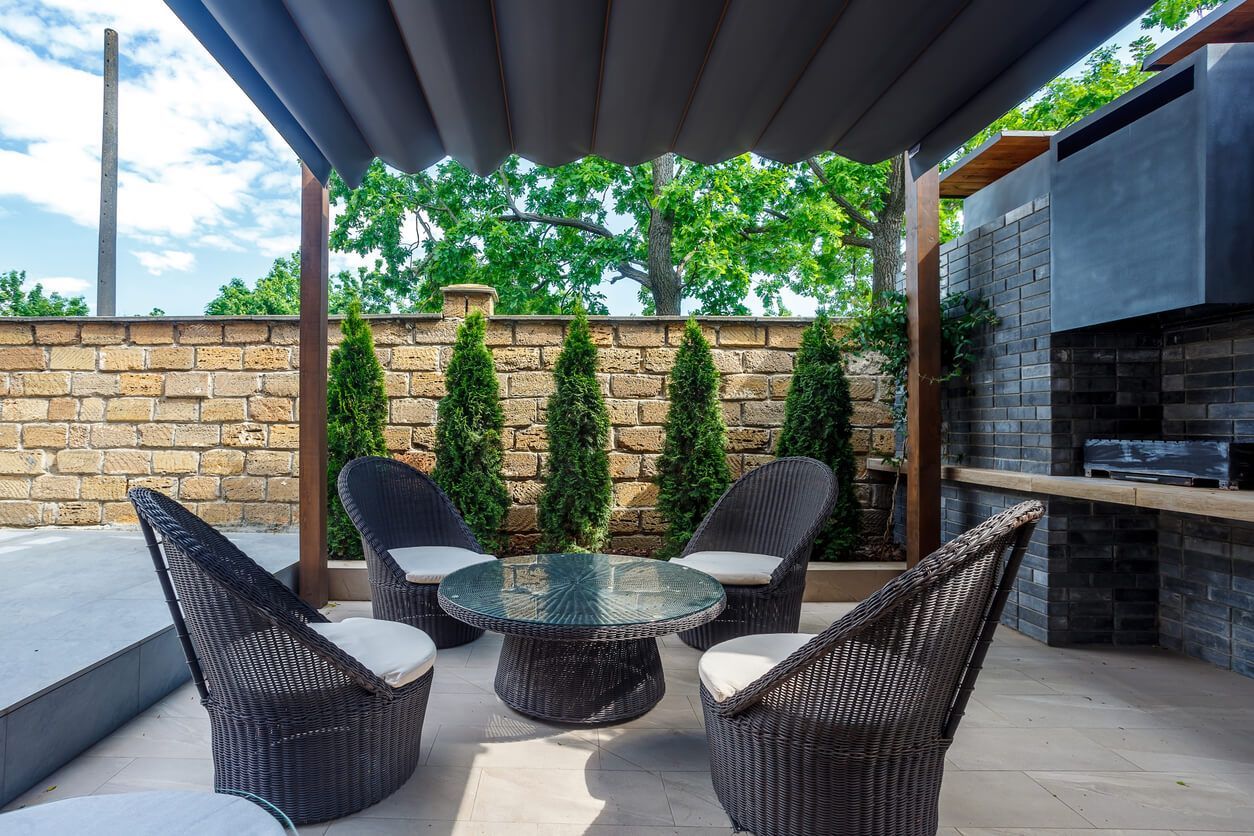
Then consider furniture and layout. Tables need to support laptops, not just coffee cups. Outdoor seating should be sturdy, comfortable, and arranged for both solo work and small-group conversation. A long communal table can support quick collaboration, while smaller tables around the courtyard create privacy and flexibility.
Access is another essential piece. Employees need nearby power, reliable Wi-Fi, and a clear path between indoors and outdoors. If the patio feels disconnected from the rest of the office, people will use it less. The best outdoor work areas feel like a seamless extension of the workplace.
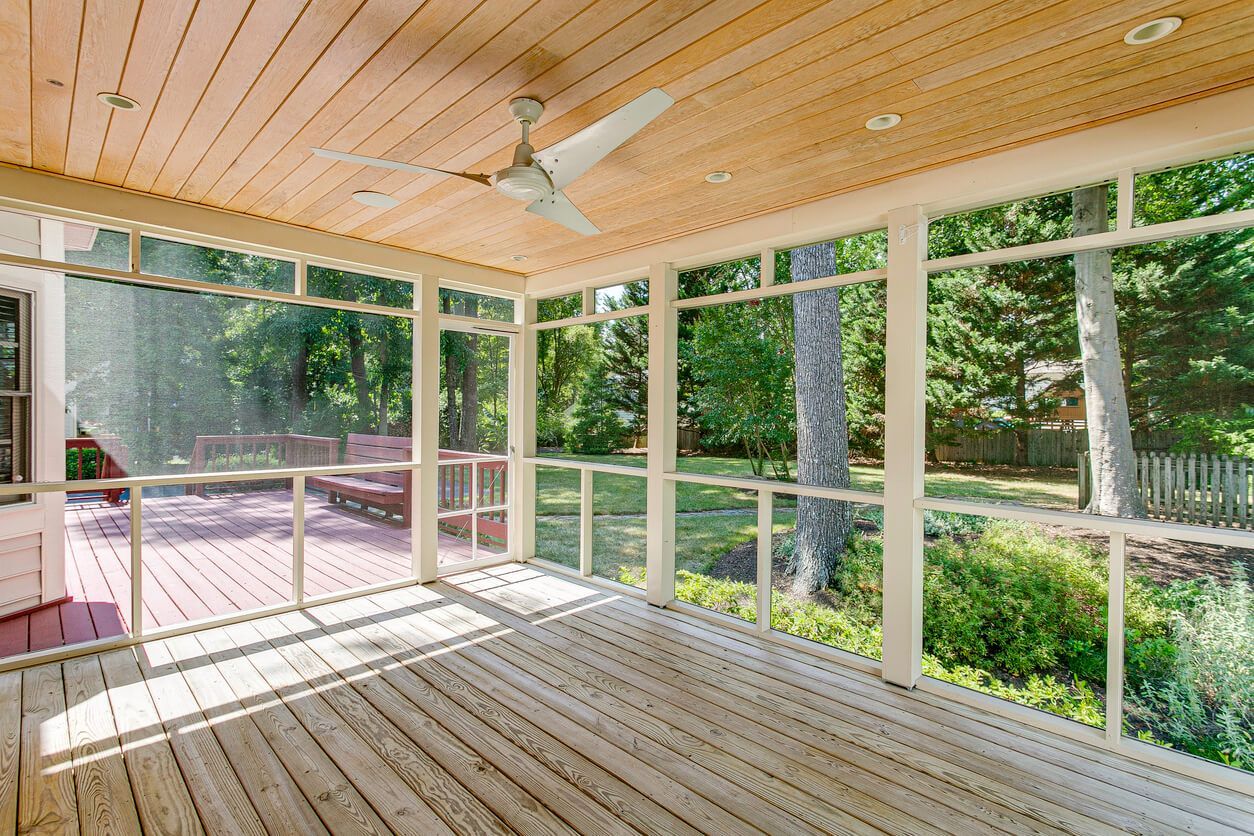
Finally, think about weather. Screens can block uv rays, reduce heat, and help keep the area protected from light rain. In some properties, a retractable awning paired with vertical screens creates a more complete envelope, making the outdoor space enjoyable in far more conditions than umbrellas alone could handle.
Why Umbrellas and Trees Are Not Enough for Corporate Use
Trees are beautiful. Umbrellas are familiar. Neither usually delivers the consistency a corporate outdoor office requires.
Trees take years to mature, and their shade shifts with the season. They also do little for glare at low sun angles. Umbrellas can provide shade for a small table, but they are limited in coverage, vulnerable in wind, and often look temporary in a Class A office setting. They are fine as accents, not as the backbone of a workspace strategy.
Commercial shade structures, by contrast, are built to create repeatable performance. They can block sunlight more precisely, cover more space, and maintain a cleaner visual line across the patio or courtyard. For businesses trying to create an attractive and productive environment, that consistency matters.
Retractable Awnings and Screens Work Better Together
A retractable awning handles overhead sun exposure. Vertical screens help block low-angle light, reduce glare, and create a more protected edge around the space. Together, they create a layered system that feels far more complete than either solution alone.
This is one reason awnings remain so valuable in office and business settings. They provide shade over outdoor seating, help cool surfaces below, and make the patio more usable during the hottest parts of the day. Pair them with screens and the space becomes more resilient, more functional, and more comfortable for employees who need to shift between focused work and casual collaboration.
For decision-makers weighing options, this guide to motorized patio shades offers a useful look at how automated systems improve daily usability in real-world settings.
Outdoor Break Areas Can Become Recruiting Tools
The strongest workplace amenities are the ones employees use without being told to use them.
A shaded courtyard with comfortable tables, filtered sunlight, and enough protection from heat and rain becomes a place where people naturally gather. Some will use it for lunch. Some will take calls there. Some will slip outside for focused work when the office feels too loud. Over time, that outdoor space becomes part of the identity of the workplace.
That identity has recruiting power. Candidates notice when a business has created an environment that feels thoughtful rather than generic. A usable outdoor office signals that the company understands how people work now. It says this is not just a building with desks. It is a workplace designed for real life.
Consider Local Climate When Choosing Commercial Shade Solutions
Shade strategy should match the market. In hot, bright regions, solar control and heat reduction may be the main priority. In humid climates, airflow and light rain protection may matter just as much. In coastal areas, wind performance becomes essential.
Shade Doctor’s roots in Texas are relevant here. Designing for intense sun, long warm seasons, and demanding outdoor conditions requires more than a catalog mindset. It requires systems that can provide shade reliably and look attractive while doing it. For businesses operating in warm-weather markets, regional experience can shape better recommendations on fabric openness, screen placement, and how to create a courtyard that stays usable throughout the day.
If your property is in a high-exposure market, it also helps to review how high-wind shade systems are engineered for durability, especially for outdoor areas where performance matters as much as appearance.
What Facility Managers and Leasing Teams Should Evaluate Before They Install
Before moving forward, facility managers should assess how the office patio is used now and how they want it to function in the future. Is the goal to support outdoor work for individuals, create outdoor break areas for larger groups, improve tenant tours, or all three? The answer shapes the right mix of awnings, screens, canopy coverage, and furniture.
It is also smart to study the building orientation. Where does the sun hit in the morning, at midday, and late afternoon? Which windows reflect light into the courtyard? Where does rain blow in? The best shade solutions are customized to the actual conditions of the space, not selected from a generic menu.
Materials matter too. Commercial-grade fabric, durable hardware, and sturdy controls are essential for business applications. A system that looks sleek on day one but struggles after repeated use is not a smart investment. The goal is to create an outdoor workspace that remains productive, attractive, and dependable for years.
The Future Office Is Not Just Indoors
The next generation of office design is not about choosing between indoors and outdoors. It is about making both work together.
When companies create a shaded courtyard that supports laptops, meetings, and quiet work, they unlock space that was already there. They give employees more choice, make the environment more refreshing, and turn a passive patio into an active part of the workplace. In the process, they also strengthen the building’s appeal to tenants, recruits, and leadership teams looking for a smarter use of square footage.
That is the real power of corporate outdoor workspace shades. They do not just bring shade to a patio. They bring purpose to the space.
For commercial properties trying to stay competitive, that may be one of the most practical upgrades available: not louder branding, not another lounge no one uses, but a courtyard where employees can step into the sun without being defeated by it.