Are Retractable Awnings a Good Idea in Houston? What Heat, Wind and Rain Mean for Your Patio
Are retractable awnings a good idea in Houston? For most patios, yes. An awning gives you cool shade through a long, hot season, then rolls back so you can have open sky on mild days. It works best when you treat it as a sun and comfort tool that comes in during high wind and heavy rain.
This post covers what Houston's climate asks of patio shade, where awnings earn their keep, how they handle wind and rain, the problems owners run into and how long an awning lasts. It finishes with a short guide to the patios where another shade option makes more sense, so you can decide whether a retractable awning is a good idea for yours.
What Houston's Climate Asks of a Patio Awning
Houston's heat and sun make the case for an awning, and its wind, rain and humidity set the limits. Here is what any patio shade faces.
The warm season is long. Normal daily highs at Bush Intercontinental run 86.9°F in May, 92.3°F in June, 94.5°F in July, 94.9°F in August and 90.4°F in September. Sunlight through those months is strong, and UV rays are strongest from 10 a.m. to 4 p.m. They also bounce off cement and water, so a concrete patio or pool deck takes sun from above and from below.
Humidity stays high all year. Mornings average 89% relative humidity, and July and August mornings reach 93%. Air that wet keeps fabric damp for a long time after rain.
Rain is frequent. Houston collects about 51.84 inches a year, and June is the wettest month at 6.00 inches. Pop-up thunderstorms add gusty wind to that rain, and a thunderstorm counts as severe once gusts pass 58 mph. The Atlantic hurricane season runs from June 1 to November 30, and a typical season brings 14 named storms.
Where Retractable Awnings Earn Their Keep in Houston
Shade on demand is what a retractable awning does best. You extend it when the afternoon sun reaches the patio, and you bring it in on cloudy days or in winter, when you want the sun back. A fixed cover gives you shade all year, including the days you would rather skip it.
The comfort gain is real. Shaded surfaces can be 20 to 45°F cooler than the peak temperatures of unshaded materials, so the chairs, the table and the patio floor under an awning stay friendlier than the open slab next to them. People get protection too. Shade lowers the risk of sun damage, and sunscreen and protective clothing still belong in the plan. Cushions, rugs and outdoor furniture fade less when direct sun stays off them, and fabrics that earn The Skin Cancer Foundation's Seal of Recommendation must be at least UPF 50.
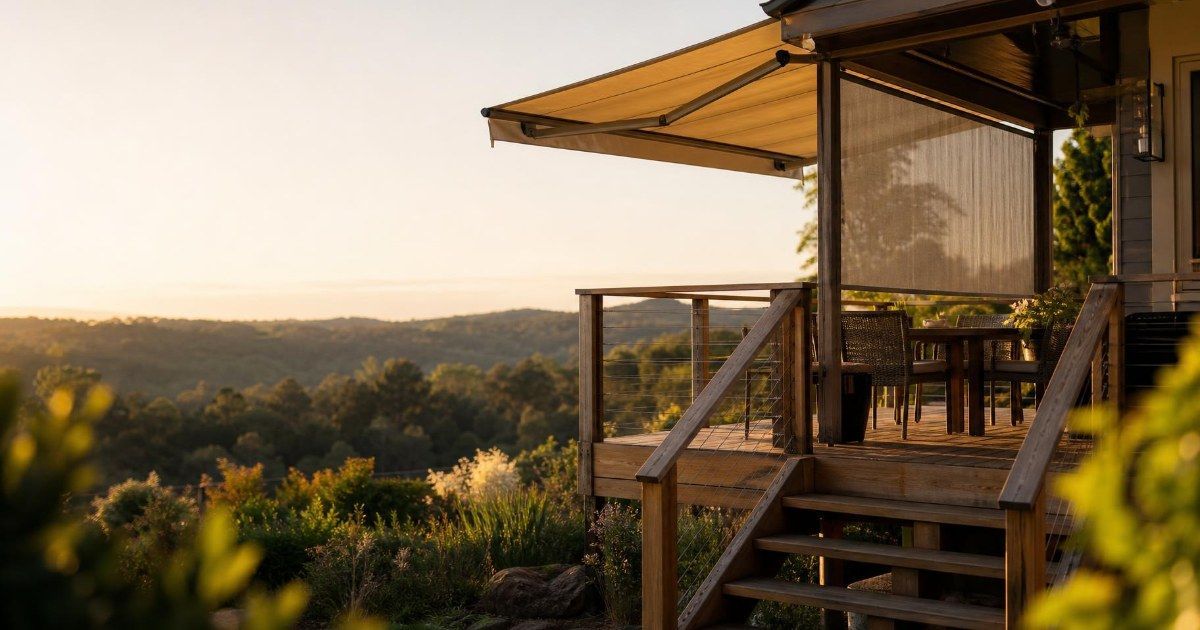
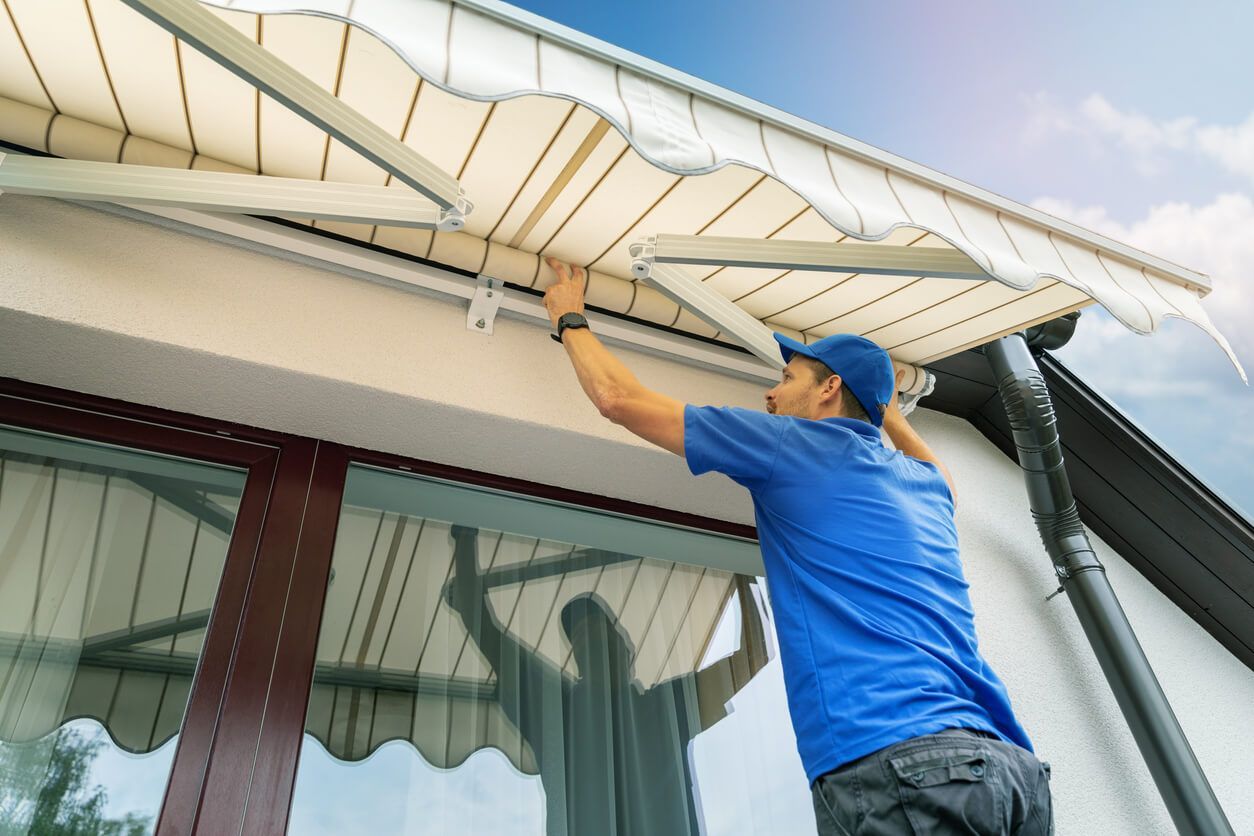
Shade Doctor's motorized awnings with remote control, built-in lights and crank pitch adjustment cover the details owners care about day to day. A wireless remote extends and retracts the awning at the touch of a button. Easy Pitch Adjustment lets you change the slope with a crank, with no ladder or complex tools, as the sun angle shifts through the season. Dimmable LED lights sit inside the arms and run from the same remote, which stretches patio time into summer evenings. Each awning is made to custom sizes and shapes, in a range of colors and patterns.
Placement decides how much an awning pays off. Houston patios take direct sun from mid afternoon until sunset, so a patio where that sun lands on the seating area gets the most from one. Whether retractable awnings are worth it depends on that afternoon sun more than on any single feature.
Are Retractable Awnings OK in the Wind?
An extended awning catches wind the way a sail does. Awnings are built to come in before the wind gets strong, and that habit is what keeps them in good shape.
Everyday breezes are part of patio life, and an awning extended on a pleasant afternoon handles them. On the Beaufort scale, a fresh breeze of 19 to 24 mph only starts large branches and small leafy trees swaying. Thunderstorm gusts and tropical systems are a different story. A severe thunderstorm produces gusts over 58 mph, which is enough to break off large branches.
Wind sensors on motorized systems add a safety net. When gusts cross a preset threshold, the sensor can pull the awning in while nobody is watching. Owners still retract by hand before a storm moves in, before leaving the house and whenever hurricane season puts a watch on the Gulf Coast. A wireless remote turns that into a few seconds at the back door, with no manual crank to fight in a rising wind.
A wind sensor reads wind only. A dry, breezy afternoon and a calm, soaking rain look the same to it, so on a still day with steady rain the call stays with you. Shade Doctor's own rain article makes the same point, and the next section picks up what to do about it.
Rain, Humidity and Mildew on the Gulf Coast
Houston rain tests an awning in two ways: how much water arrives and how long the fabric stays damp afterward. Water-resistant fabric sheds light rain well, and a long soaking will find its way through eventually, so an awning gives shelter from a passing shower and shade the rest of the time. Light rain with little wind is fine when the pitch lets water run off the front edge. Heavy, long-lasting or wind-driven rain calls for retracting, because water that pools in the fabric adds weight, stretches the cloth and bends arms and mounting points.
Humidity adds a second job. A wet awning rolled up in Gulf Coast air can stay damp for days, and moisture combined with dust, pollen and leaf debris is what grows mildew. Once the rain stops and conditions allow, extend the awning again and let it dry fully before rolling it up. Shade Doctor's article on using a retractable awning in the rain covers pitch, pooling and drying in full.
Fabric choice shapes how an awning ages here. Solution dyed acrylic breathes and holds color, while PVC-coated fabric gives a more sealed, water-resistant surface. This guide to choosing the best awning textile compares the two, including how each handles mildew and sun.
What Are the Common Problems With Retractable Awnings?
Most of the common problems with retractable awnings trace back to weather exposure or skipped care, which makes them avoidable.
Weather exposure causes the heaviest ones. Water pooling in the fabric leaves it sagging and stretched, and the extra weight can bend arms and loosen mounting points. An awning left out in a storm can take frame or mount stress that no cleaning would have prevented. Sun slowly fades fabric, and flying debris or a stiff gust can tear it.
Skipped care causes the rest. A wet awning rolled up and left alone invites mildew. Leaves, pollen and nesting critters collect in a housing that nobody checks. A motor that jerks or stalls is a sign the system needs a look, and sensors may need resetting after a power outage. Every Shade Doctor awning includes a manual override, so the awning still works when the power is out.
A few habits prevent most of this. Retract the awning in bad weather. Let it dry before you store it. Clean it gently with a soft brush once it is dry, and follow the maker's cleaning instructions, since hard scrubbing can damage the fabric coating. Have the fabric, arms and mounts inspected once a year.
How Long Do Retractable Awnings Last in Houston?
Several things set how long a retractable awning lasts: the grade of the fabric, the quality of the frame and hardware, how much hard afternoon sun the awning takes, how often it stays out in weather and how well it is cared for. Houston's long sun season and humid air put the fabric to work, and fabric usually wears out before the frame does. The good news is that fabric can be replaced, so the frame and hardware are the parts to buy well.
The warranty is the clearest sign of expected life. Shade Doctor's published terms cover hardware for life, fabric and mesh for 15 years, and motors and controls for 10 years. Those terms show what the materials are built to do in the field.
Care decides how much of that life you see. The habits above keep the fabric tight, the arms straight and the motor running smoothly, and an awning that comes in before storms spends its years doing the job it was bought for.
When a Retractable Awning Is the Right Call, and When It Isn't
A retractable awning is a good fit for an open patio or deck off the house that gets afternoon sun. It suits owners who want shade some of the time and sun the rest of the year, and owners who are happy to retract it in bad weather. If that sounds like your household, an awning is likely a good idea in Houston.
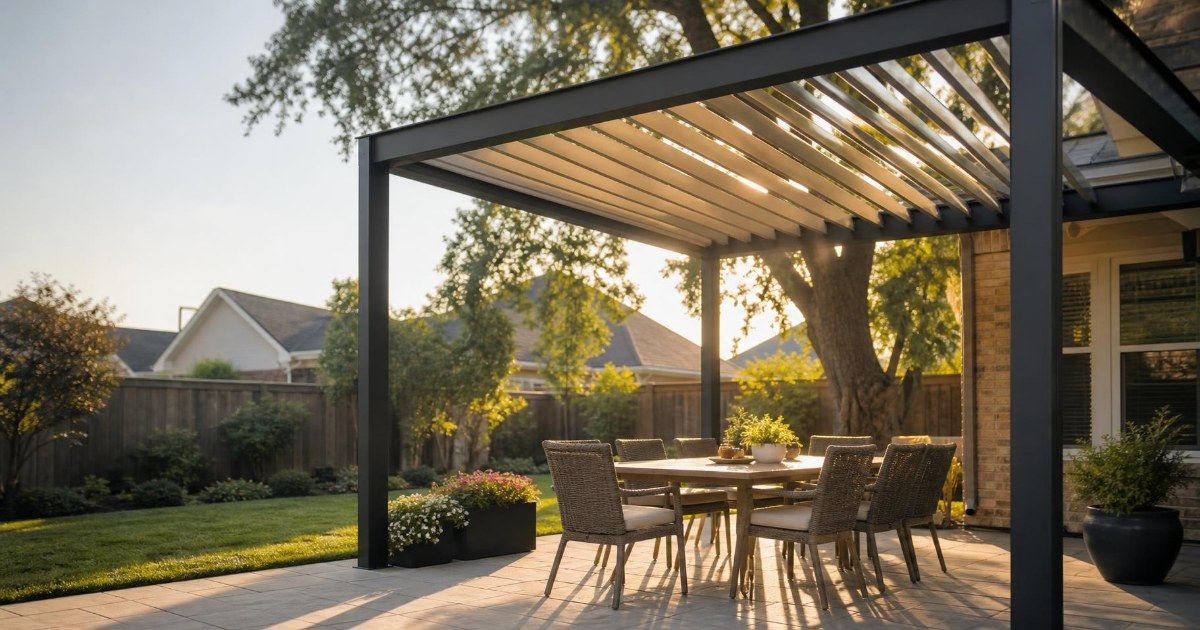
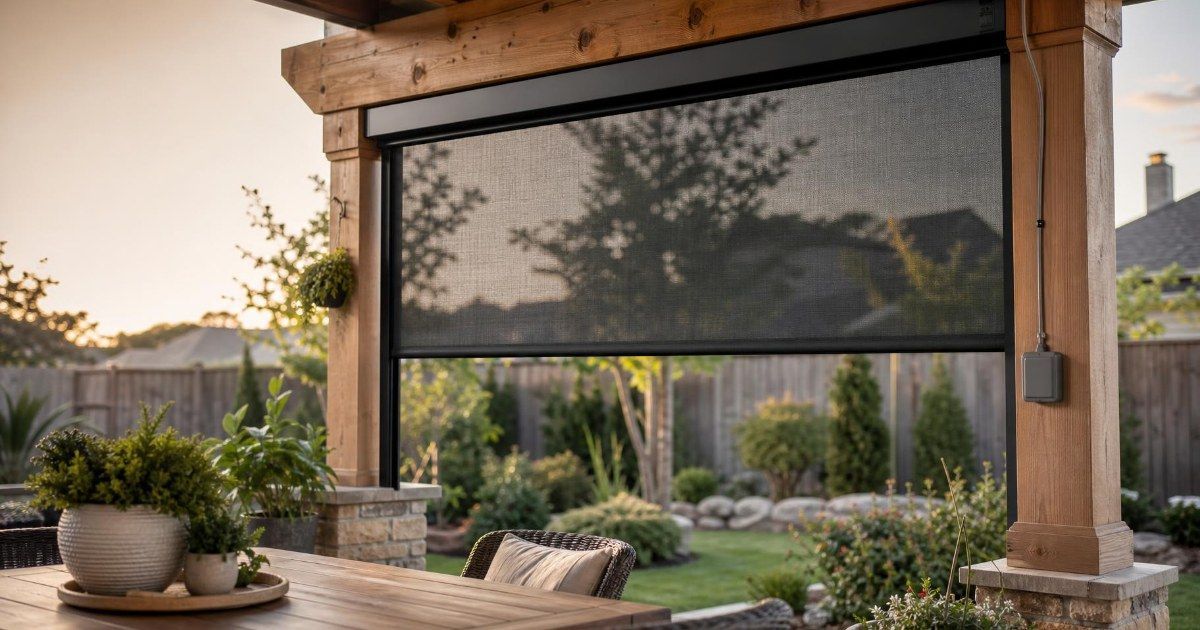
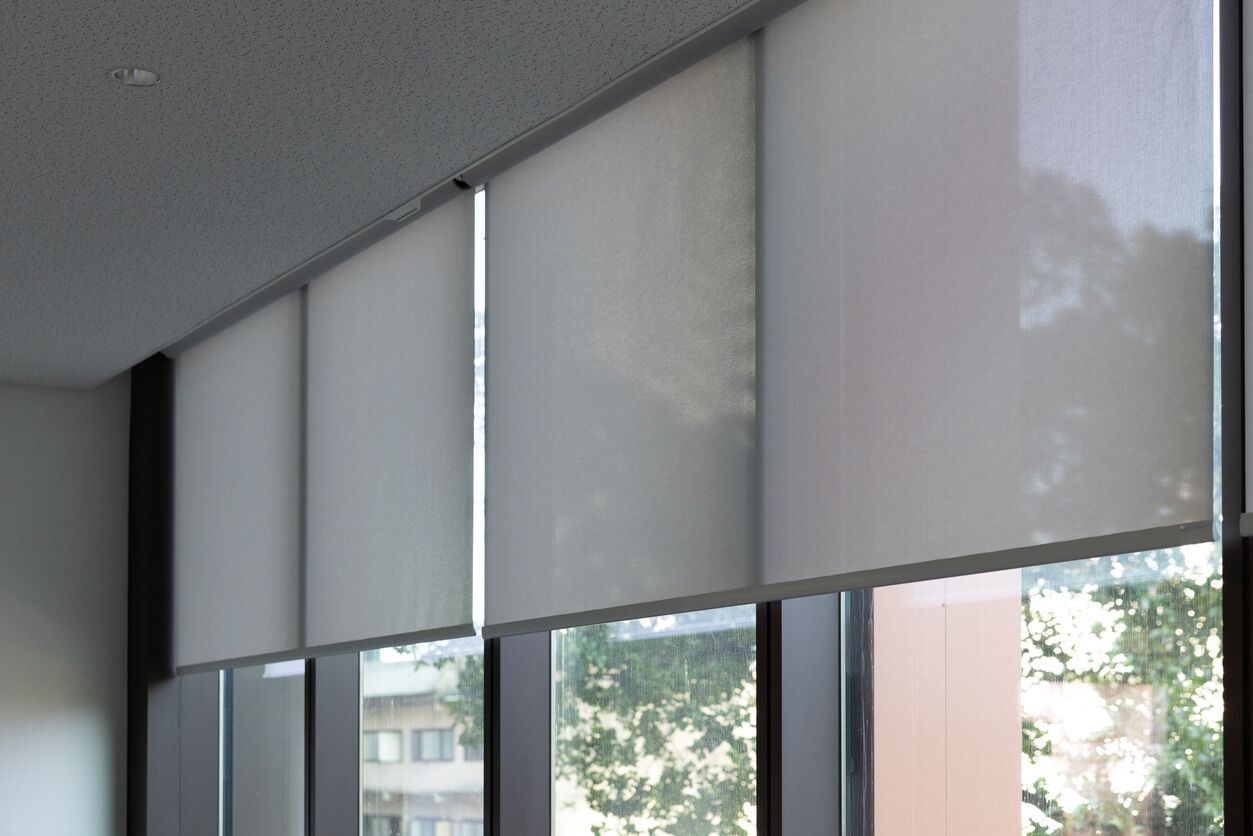
Another option fits better when you want the space shaded and protected from the sides. Sideways rain, bugs and gusty wind slip in under any overhead cover. Motorized patio shades that close in the open sides drop into side tracks and block sun, glare and insects, and they suit porches, patios and outdoor kitchens that already have a roof.
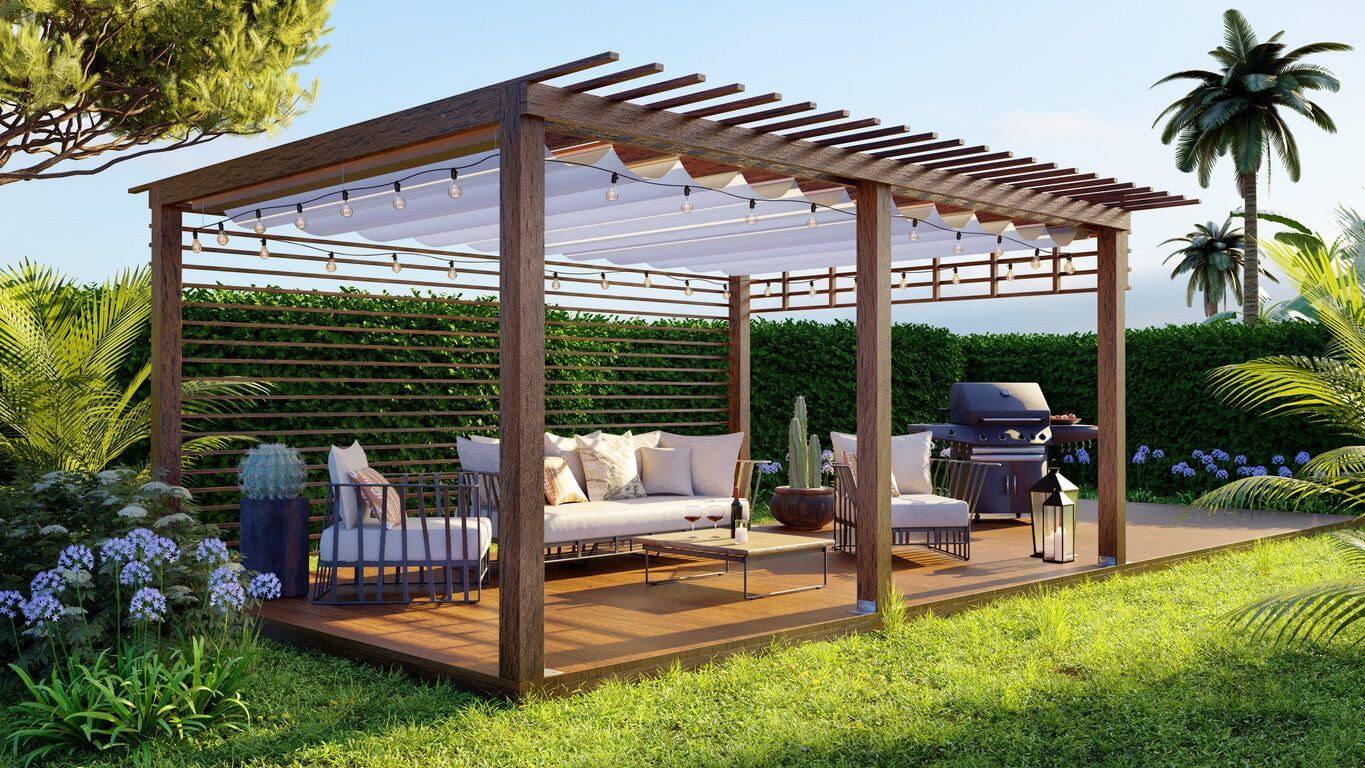
Owners who want a permanent structure have a different comparison to make. A pergola stands on its own posts and gives the yard a lasting focal point, and the post on pergola vs. awning differences lays out how the two compare. Owners weighing a moving awning against a permanent one can read the breakdown of retractable and fixed awnings before they decide.
Getting a Retractable Awning Sized for a Houston Patio
Shade Doctor's process has four steps. It starts with a consultation, where the team listens to how you use your outdoor space. A custom design proposal follows, built around your patio. Professional installation comes next, and the work is backed by the warranty described above. Local Houston crews quote and install both awnings and outdoor shades, so one visit can cover either option.
If you are weighing retractable awnings in Houston, TX,
Schedule Consultation and talk through your patio, its sun and the shade that suits it.