How Do You Screen In a Patio in Houston Without Building Walls
How do you screen in a patio in Houston without building walls? You add a motorized screen to a patio that already has a roof. The screen rolls down when mosquitoes, glare or a neighbor's view show up, and it rolls away when you want the open yard back. The install adds a roller housing and two side tracks to the structure you already own.
That answer carries one condition, and the condition shapes everything else in this guide: the screen needs something overhead to mount to. The sections below cover the main ways to screen in a patio in Texas, what each one costs and requires, how to tell whether a system keeps bugs out, and what Houston permits and neighborhood rules say about each path.
Two Ways to Screen In a Patio (and a Third Option Worth Ruling Out)
Patio enclosure options in Houston come down to two serious paths. The first is a fixed screen enclosure: a permanent aluminum or wood frame with screen panels set into it, built around your patio. The second is a motorized retractable screen system, a roller housing and a pair of side tracks that mount to a patio cover, pergola or roof overhang you already have.
The fixed enclosure is a construction project. A crew frames walls, sets panels, hangs a door and often ties the new frame into the existing roof. The retractable screen is closer to installing an appliance on a structure you already own. Your patio keeps its shape, and the screen arrives as a finished system that mounts to it.
The third option is a DIY screen-and-spline kit. It costs the least up front and suits anyone comfortable with a ladder and a utility knife. In Houston's direct sun and humidity the mesh typically needs replacing every few years, and a kit does nothing for wind or glare, the other two things Houston patios deal with all year. Those limits keep it off most shortlists.
Both main paths can make a patio comfortable. A fixed enclosure gives you a permanent screened room. A retractable system gives you a patio that changes with the hour and the season: screened at dusk, wide open on a clear January afternoon, shaded when the sun sits low in the west.
The Building Path: A Fixed Screen Enclosure
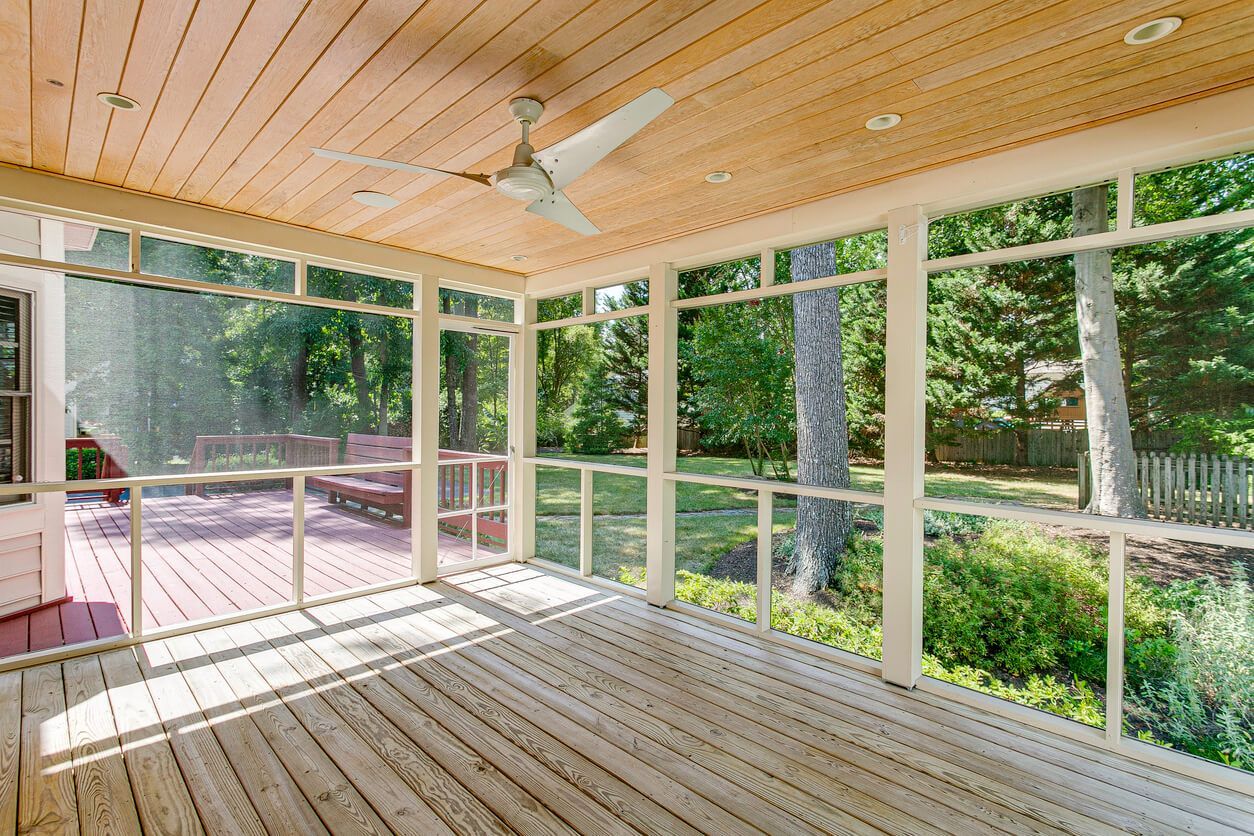
A fixed screen enclosure is a permanent structure. Posts and rails of aluminum or wood form the frame, and screen panels are stapled or splined into it. A door gives you a way in. The mesh stays in place every day of the year, which is how most people picture it when they decide to enclose a patio with screens.
This path makes the most sense in three situations. The first is heavy, constant mosquito pressure, such as a backyard that borders a drainage ditch, a pond or a bayou. The second is a build from scratch, where the frame and roof can go up together as one project. The third is a patio with no cover at all, where the owner wants a room with its own roof, and a fixed enclosure can be that room.
Cost varies with materials, frame style, doors and how much roofing work is involved. Angi puts enclosing an existing porch or patio in Houston at $4.65 to $18.60 per square foot. On a 200 square foot patio, that range works out to roughly $930 to $3,720. Because the job involves framing, a permit and an inspection, the timeline stretches across review and construction rather than a day or two.
The view changes with a fixed enclosure. You look through mesh every time you look at the yard, including on a clear, mild evening when the garden, the pool or the sunset is the whole reason you stepped outside. The screen also softens the light slightly, and the walls stay up through every season. That suits a patio meant to work as an extra room. A patio meant to open onto the yard gives up that opening.
The Installing Path: Motorized Retractable Screens
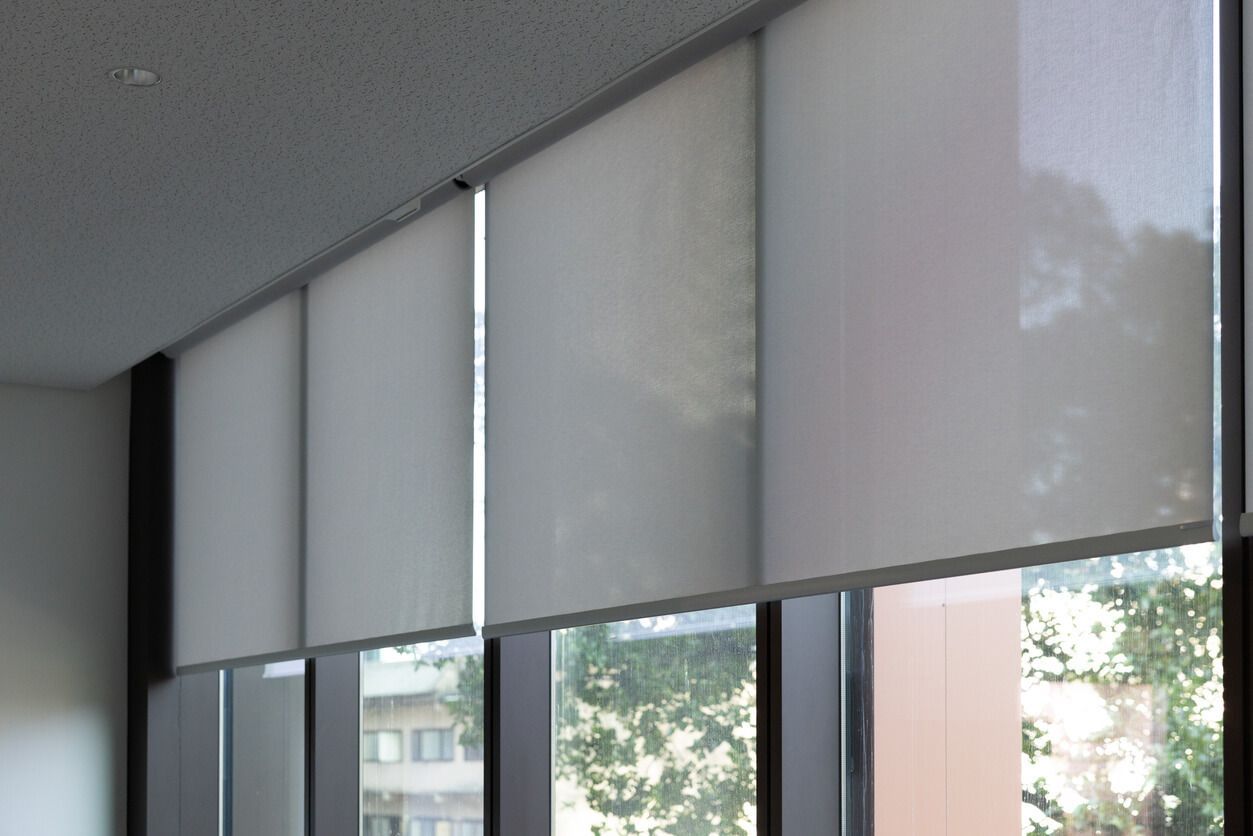
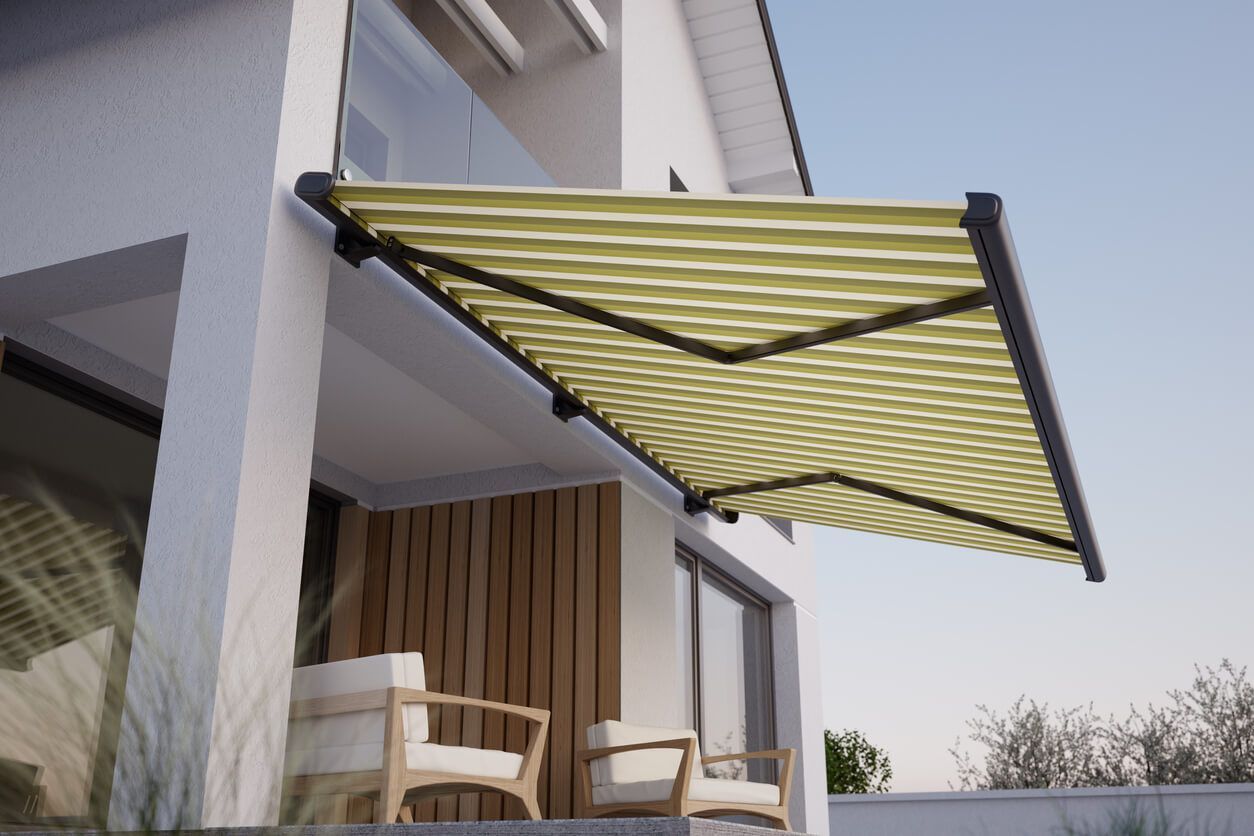
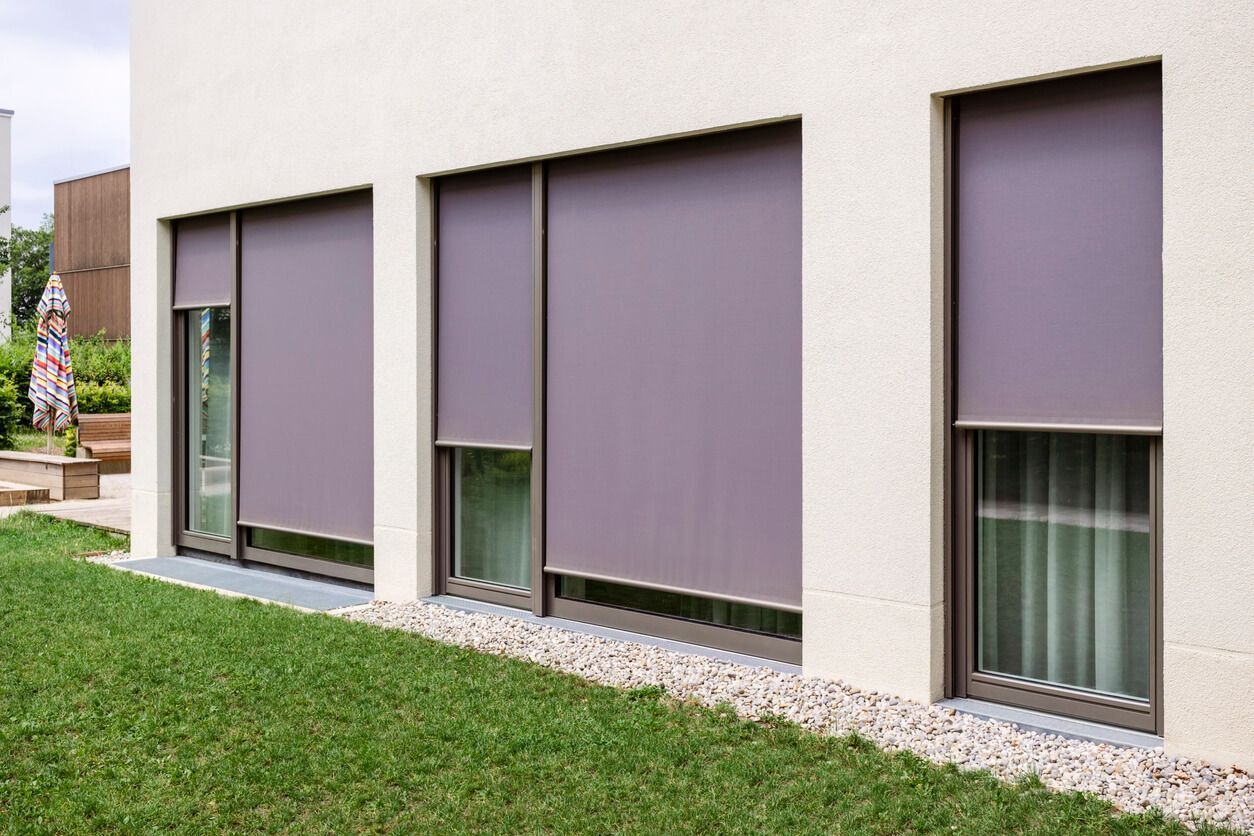
A retractable screen mounts to the structure already above your patio: a patio cover, a pergola or a roof overhang. A housing sits at the top of the opening with the screen wound inside on a roller tube, and tracks run down each side. A remote, wall switch or app sends the screen down or back up. That is how retractable patio screens in Houston work, and motorized patio screens in Houston follow the same design: they deploy on demand and disappear when you do not need them.
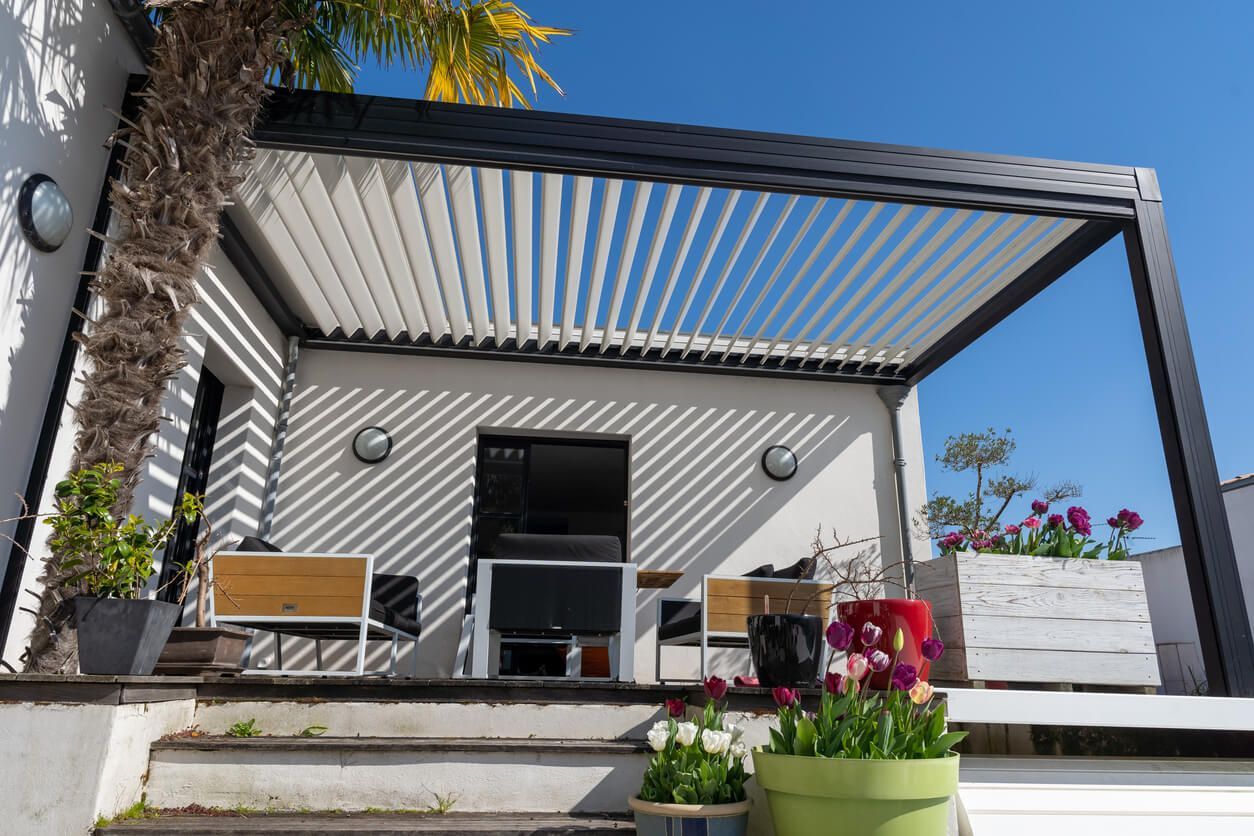
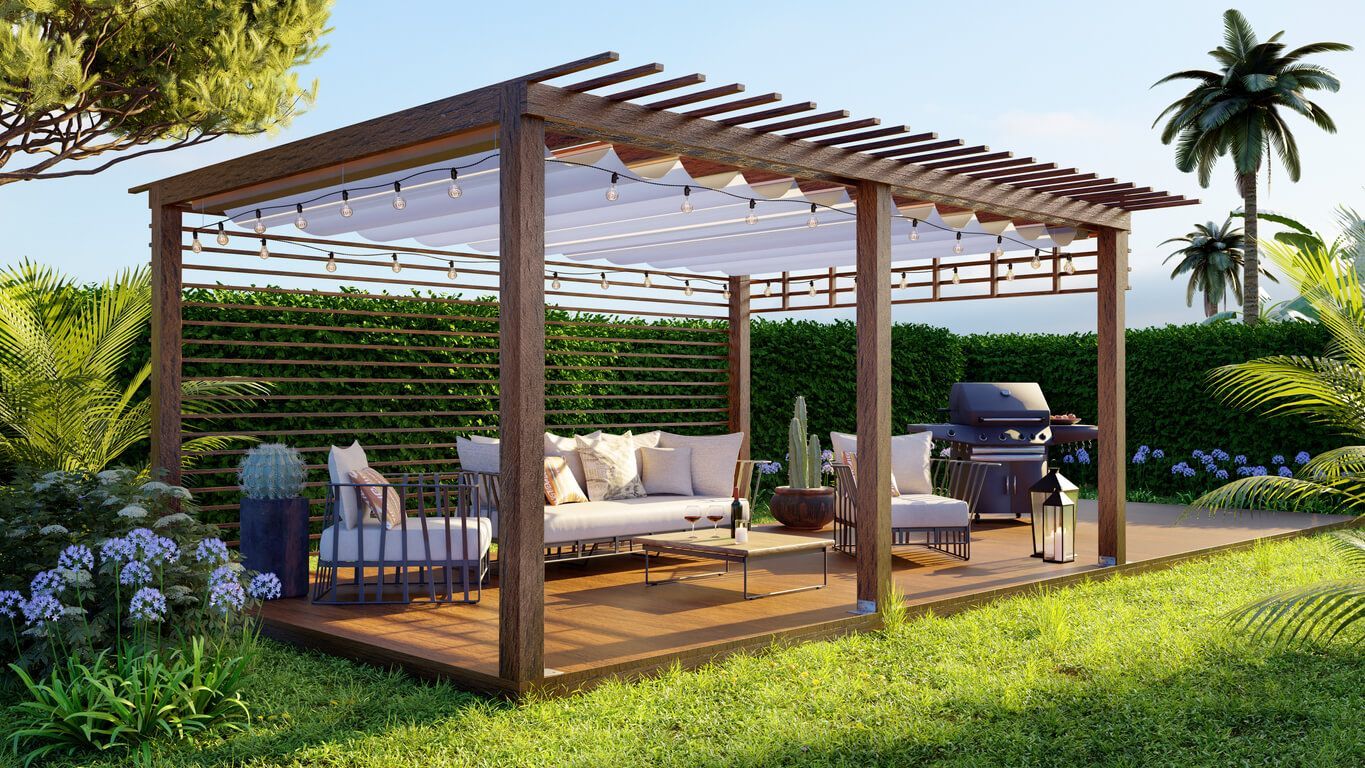
The overhead structure decides whether this path is open to you. A patio with no cover gives the housing nothing to attach to, so a cover, pergola or beam has to be built first. Shade Doctor's custom shade solutions include beam buildouts for open gables that lack a beam and cedar post buildouts that square up angled walls, which give a shade a solid base on structures that need one. A patio with no roof at all starts with that roof.
Once the structure exists, the trade-offs favor this path for most Houston homeowners. A retractable system costs less than a full enclosure, installs faster and leaves an open view whenever it is retracted. Most Shade Doctor installations finish within a day or two once the shades arrive. Pricing depends on the width and drop of the opening, the fabric, the control system and whether a buildout is needed to mount, and every estimate is free and comes back as a firm number after an on-site measure.
The mechanics matter as much as the motor. Motorized screens for patio openings from Shade Doctor drop vertically into side tracks, and a weighted bottom bar holds the fabric taut against wind. The solar mesh blocks up to 90% of UV rays while keeping the view and the airflow, and the hardware is guaranteed to 105 mph. Those same tracks are what decide whether the screen blocks insects, which is the next question.
Will It Actually Keep the Bugs Out?
Bug protection is the reason most people search this topic, and it depends on how the edges are handled. A sealed-track system locks the fabric edges into channels that run the full height of the opening, and the bottom bar seats into a channel or sill at the floor. A free-hanging screen or roller shade leaves gaps along both sides and under the hem. Mosquitoes and gnats find those gaps quickly, so a curtain that simply hangs in the opening gives sun relief and little else.
The housing across the top closes the fourth side. With tracks on the left and right, a bar at the floor and a housing overhead, the fabric meets the structure on all four sides of the opening. Shade Doctor builds its motorized shades with side tracks and a weighted bottom bar for that reason, and the same tracks keep the fabric steady in wind.
Houston's mosquito season runs roughly from March through October, with the heaviest activity in the summer months. That covers most of the year a patio gets used, so a screen has to hold up across eight months, not a few weeks. Dusk is when mosquito activity peaks, and dusk is also when most families step outside for dinner.
Whichever path you choose, ask each company the same question: does this system seal all four sides of the opening? A fixed enclosure answers yes through its frame and door. A retractable system answers yes through its tracks, bar and housing. Any option that cannot answer yes will leave you swatting at the table.
Permits and HOA Rules in Houston: What's Actually True
Permits are where Houston differs from the national advice. The City of Houston's residential code treats patio covers as structures. Appendix H of the Houston Residential Code covers patio covers, and the Houston Permitting Center requires a building permit for a patio cover whether it is attached or freestanding. A fixed screen enclosure adds walls, framing and often roof work, so expect a permit, plans and an inspection. Properties outside the city limits answer to a different authority, so the first question on any project is which one applies to your address.
Approval often comes down to the neighborhood rather than the city. The City of Houston Legal Department states that the city is not zoned. Rules about what you can add to a patio, how it must look and which colors are allowed typically come from a subdivision's deed restrictions or an HOA. Two homes a mile apart can face very different answers on the same project.
A system that mounts to a patio that is already covered and already permitted adds no new roof and no new framing, so the review tends to be lighter. The answer still depends on what is being attached and how, which makes it worth a quick call before work starts. The Houston Permitting Center can tell you whether your project needs a permit. Your HOA or deed restrictions can tell you whether the design needs approval, and many associations have an architectural review form that takes little time to fill out.
Neither path should be assumed permit-free. A short conversation with both offices before you sign anything gives you a clear answer for your address.
Which Path Fits Your Patio?
If your patio already has a cover, pergola or roof overhang
A retractable screen has the overhead structure it needs. This is the path with the shorter timeline, the lighter review and the open view back whenever you want it. A free on-site measure confirms that the existing structure can carry the housing.
If your patio has no cover or overhead structure at all
A fixed enclosure can double as the roof, which makes it the path that covers the whole job in one project. The other route is to build a cover or pergola first and add a retractable screen afterward. Both routes involve construction and a permit, so a patio with no roof should plan for that.
If mosquitoes near standing water are a nightly problem
A fixed enclosure holds up well against constant pressure, and its permanent frame seals every side. A sealed-track retractable screen can also handle heavy mosquito activity when it closes on all four sides. The deciding factor is how often you want the screen down and how often you want the view.
If you want the option to fully open the space back up
A retractable screen is the clear fit. It rolls into its housing and leaves the patio as open as it was before. A fixed enclosure keeps its mesh and frame in place permanently.
Getting Started on a Houston Patio
If your patio already has a cover to mount to, Shade Doctor's motorized shades are the installing path. They are built with side tracks and a weighted bottom bar for a sealed fit against insects and wind, and Shade Doctor crews install motorized patio shades in Houston every week. The consultation is free, and someone comes to your home to walk the patio, take measurements and talk through fabric, controls and mounting. When you are ready, Schedule Consultation to get a firm number for your opening.