Can Retractable Awnings Be Used in the Rain? What Actually Happens
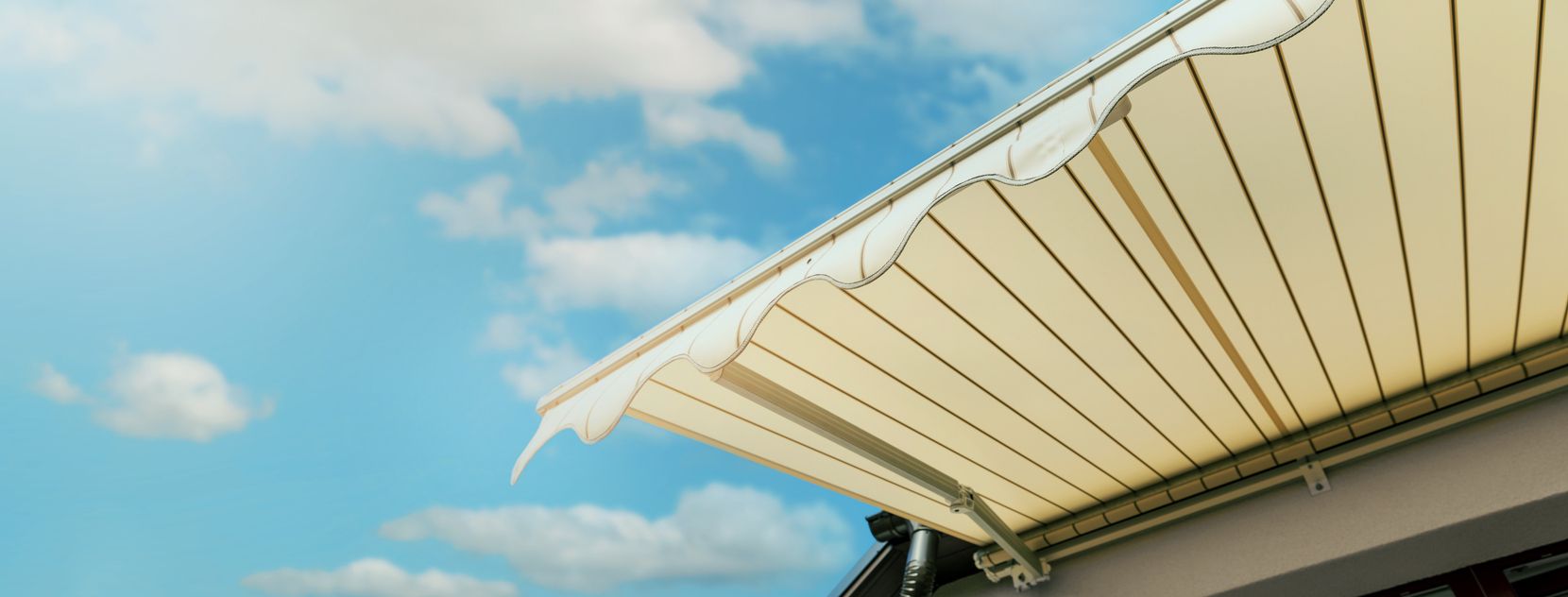
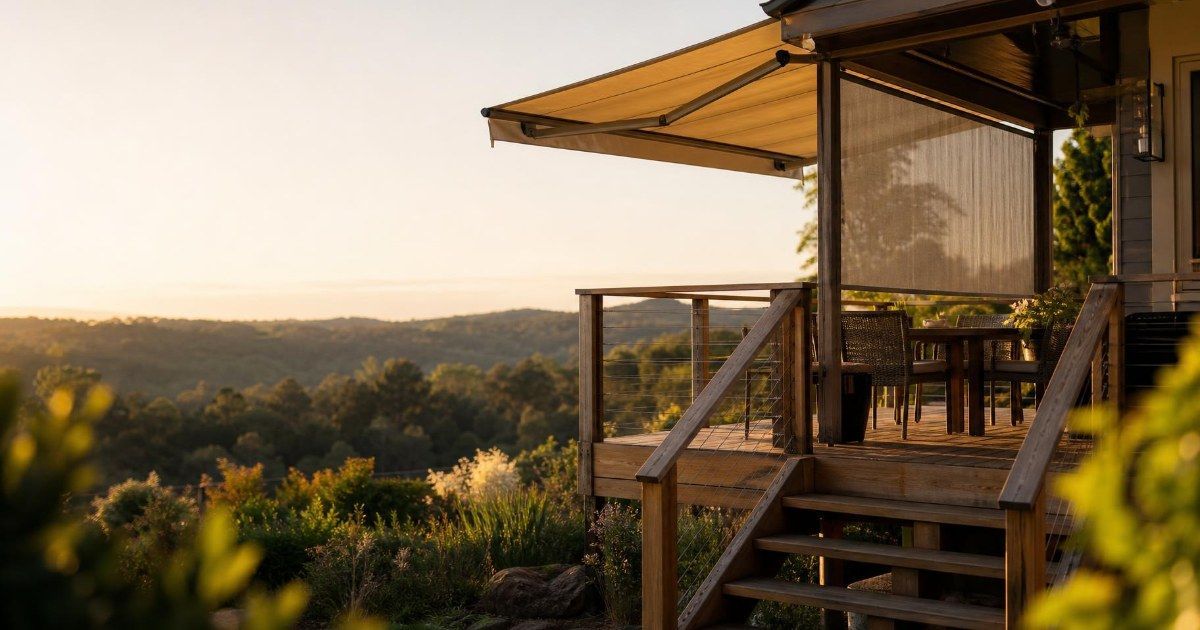
Yes, retractable awnings can be used in light rain if the awning is pitched correctly. No, they should not be left out in heavy rain or wind-driven rain. The reason is usually not that the fabric gets wet, but that water starts pooling faster than it can run off.
That is the straight answer most owners want when they are standing at the back door watching an awning in the rain and wondering whether to hit the switch. It is also the answer buyers need before they start expecting an awning to behave like a roof. A good awning can shed water, protect a patio during a passing shower, and stay functional through normal weather conditions. It still has limits, and those limits come down to pitch, runoff, wind, and what happens when water pools in the fabric.
This article stays focused on that one performance question. It explains what water resistant fabric really means, why proper pitch matters more than most people realize, what pooling does to the frame and arms, when to retract your awning, and how climate changes the answer. If you are comparing options broadly, Shade Doctor also installs custom shade systems built around real local weather, but the issue here is simple: rain is manageable only when the awning can drain it safely.
Water Resistant Is Not Waterproof
Most confusion starts with the fabric. People hear terms like water resistant, water repellent, and waterproof and treat them as interchangeable. They are not. If you misunderstand those words, you will overestimate what retractable awnings can do in wet weather.
Water resistant means the fabric can resist water penetration for a period of time, especially during light rain. Water beads on the surface, runs off, and does not immediately soak through. Water repellent usually means the surface has been treated so water forms beads and sheds more easily. Waterproof means water does not pass through the material under intended use. Retractable awnings waterproof is a phrase people search all the time, but it is not the accurate way to think about most systems. A retractable awning is not a waterproof roof.
Acrylic awning fabric is a common choice because it is durable, colorfast, and performs well in sun and normal rain exposure. It is generally woven, treated, and designed to shed light moisture rather than absorb it like a towel. Vinyl-coated fabric is less breathable and can resist water more aggressively, which is why some commercial systems use it where stronger rain protection matters. Even then, the fabric handles rain only as part of the whole system. The cloth itself is only one piece. The pitch, frame, installation, width, extension, and wind exposure decide whether the setup works or fails.
Think of it this way: a quality rain jacket is water resistant or waterproof depending on construction, but if you stretch that jacket flat between two chairs and dump a bucket on it, the issue becomes weight and drainage. The same thing happens with awnings. A fabric that sheds light rain is still vulnerable if rainwater cannot drain off fast enough. If you are sorting through materials, this breakdown of awning textile choices helps explain why the right fabric matters, but the right fabric still does not turn a retractable awning into a structural roof.
That is why the practical difference matters. Water resistant means you can get useful protection during a brief shower. Water repellent means water beads and rolls off better. Waterproof suggests a sealed barrier, and that is not how most retractable awnings should be marketed or used. A buyer who understands that difference will have much more realistic expectations on rainy days.
Pitch Is What Decides It
If there is one technical point that answers can retractable awnings be used in the rain, it is pitch. A retractable awning sheds water only if the front edge sits low enough for runoff to happen faster than collection. The proper pitch creates gravity-driven drainage. Without it, the awning becomes a shallow basin.
Manufacturers differ on exact guidance, so there is no universal degree that applies to every awning. What does stay consistent is the principle. The farther the awning projects, the more important a proper slope becomes. Installers look at projection, mounting height, arm design, fabric tension, and local weather conditions to determine a setup that can prevent pooling while still preserving headroom and appearance.
This is where homeowners sometimes create their own problem. They want the awning mounted or adjusted as flat as possible because a shallow pitch looks clean and gives more walk-under clearance near the front bar. On sunny days, that can feel like the perfect setting. In rain, it is often the exact setting that causes trouble. A shallow awning does not drain quickly enough, especially in moderate rain. Water pools, the fabric sags, and the sagging creates a deeper pocket that catches even more water.
Some owners also adjust pitch seasonally. They flatten the awning during dry months for aesthetics and shade coverage, then forget to steepen it when rainy weather returns. That is how an awning that performed fine last year suddenly looks like it is carrying a bathtub this year. Proper pitch is not a cosmetic detail. It is the operating rule that decides whether an awning in the rain stays safe or starts loading the frame.
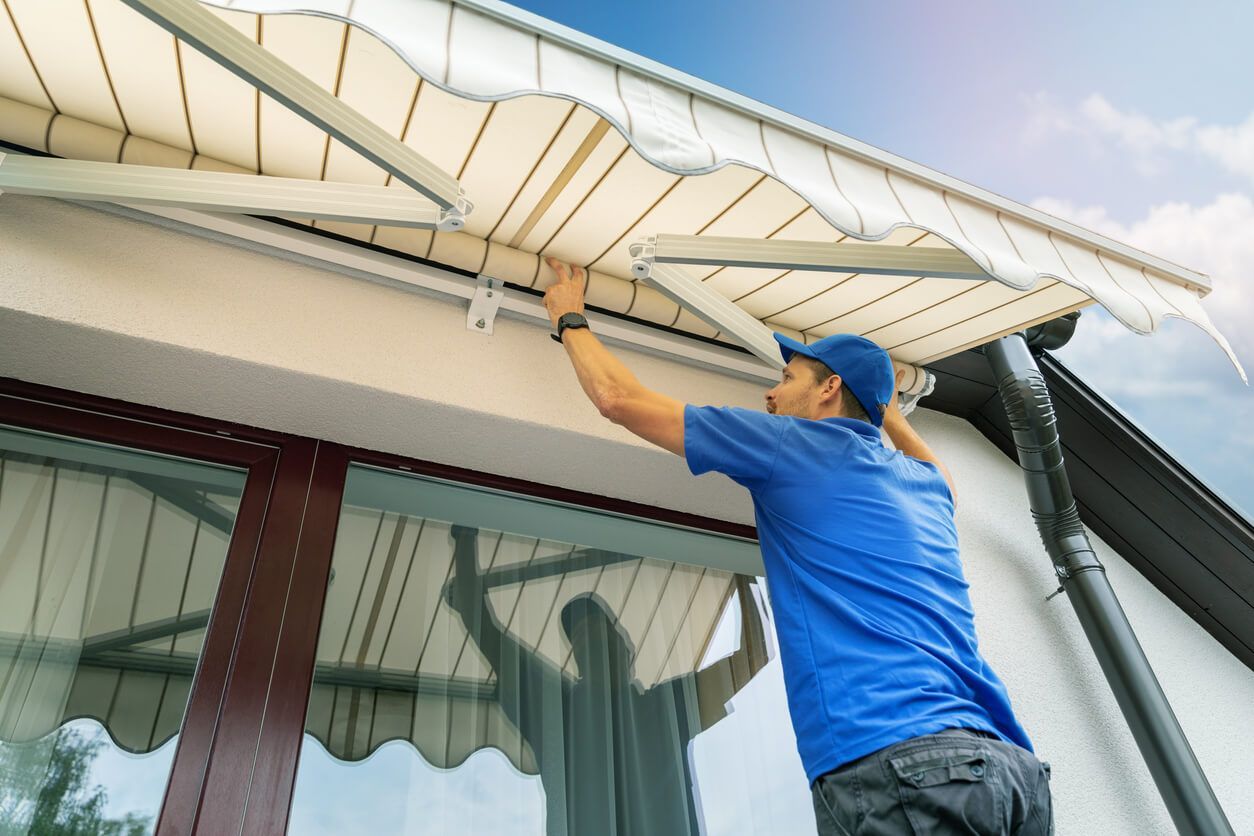
For buyers considering motorized awnings, this is one reason custom measurement and installation matter so much. The awning has to be installed for the actual patio, the mounting height, and the local weather, not just for a catalog photo. The right projection with the wrong pitch can still be a problem.
What Pooling Does to an Awning
The real danger in rain is not that the fabric gets wet. Fabric is supposed to get wet. The danger is the chain reaction that starts when water pools in one low spot and the system begins carrying weight it was never meant to hold.
It usually happens in a sequence. First, water collects in the fabric because the pitch is too shallow, the rain is too intense, or the awning is exposed to uneven runoff. Next, that collected water adds weight. As the weight increases, the fabric stretches downward and forms a pocket. That pocket deepens under load, so more rainwater drains into the same low point. Then the arms, joints, front bar, and mounting brackets start carrying a concentrated force they were never rated for under normal use.
This is why pooling is such a serious issue. Water is heavy, and it gets heavy fast. Even a modest pocket of trapped rain can add significant weight to the frame. Once sagging begins, the problem compounds on itself. More sagging leads to more pooling. More pooling leads to more stress. If the storm continues, you can end up with stretched fabric, bent arms, damaged hardware, loose fasteners, or frame damage at the wall connection points.
In other words, the failure sequence is mechanical, not absorbent. The fabric getting wet is not what causes the damage. The unsupported weight of trapped water is. That is the real reason to retract your awning when rain intensifies. If you have ever seen a patio awning bow downward like someone dropped a bowling ball into a hammock, that is pooling in action.
Once an awning has been stressed this way, the effects can linger. Fabric may never tension quite the same again. Arms may operate unevenly. The frame may open and close with a slight twist. A service call through support and service is often the next step after a pooling event, but prevention is much cheaper than repair.
When to Retract and When It Is Fine to Leave It Out
Owners usually do not need a meteorology lesson. They need decision rules. Is this the kind of rain where the awning can stay out, or is this the kind of rain where it needs to come in right now?
Here is the practical version. Light rain with little or no wind is usually fine if the awning has proper pitch and drains cleanly. Moderate rain can still be manageable for some retractable awnings, but only for a limited time and only if you can see water running off instead of collecting. Heavy rain means retract. Wind-driven rain means retract. A long, soaking event means retract unless the system was specifically engineered for that use and you are actively monitoring it.
Another useful rule is duration. A five-minute shower is very different from an all-afternoon rain. Even if the fabric handles rain at first, prolonged exposure increases the odds of water finding low spots, changing runoff patterns, or arriving with shifting wind. If you are leaving the house, going to bed, or simply cannot monitor the awning, retract it. An awning should not be left open in questionable weather just because it looked fine ten minutes ago.
Wind matters as much as rain intensity. High winds can lift the fabric, shake the frame, and redirect water sideways. Some systems have wind sensors, and they are useful. Wind sensors can trigger the awning to retract when gusts cross a preset threshold. What they do not do is detect rain. A wind sensor does not know the difference between a dry breezy afternoon and a low-wind soaking shower. That means an owner still has to make the call in wet weather.
Electric systems make that call easier because you can retract quickly without wrestling a manual crank. If you are planning an upgrade, this guide to an electric awning for a house covers controls, automation, and weather-related features. Even with automation, though, the rule stays the same: if the rain is heavy, prolonged, or paired with wind, retract your awning.
Wind Driven Rain Comes in Sideways
A lot of disappointment with retractable awnings has nothing to do with the top fabric at all. It comes from expecting overhead coverage to block rain that is moving sideways. Once wind enters the picture, the geometry changes.
An awning can provide solid protection from rain that falls mostly downward. It cannot stop angled rain from blowing in through the open sides or under the front edge. That is why one family can sit comfortably under a patio awning during a calm drizzle, while another gets misted and splashed during the same storm on a more exposed lot. The difference is wind direction, openness, and site exposure.
Open yards, coastal areas, corner lots, hilltops, and homes facing a broad fetch of weather see this more often. Rain arrives slanted, and the awning behaves like an umbrella held too high in a crosswind. The top stays wet, but the people underneath still get hit. In those settings, pitch alone does not solve comfort. Vertical protection at the sides is what changes the outcome.
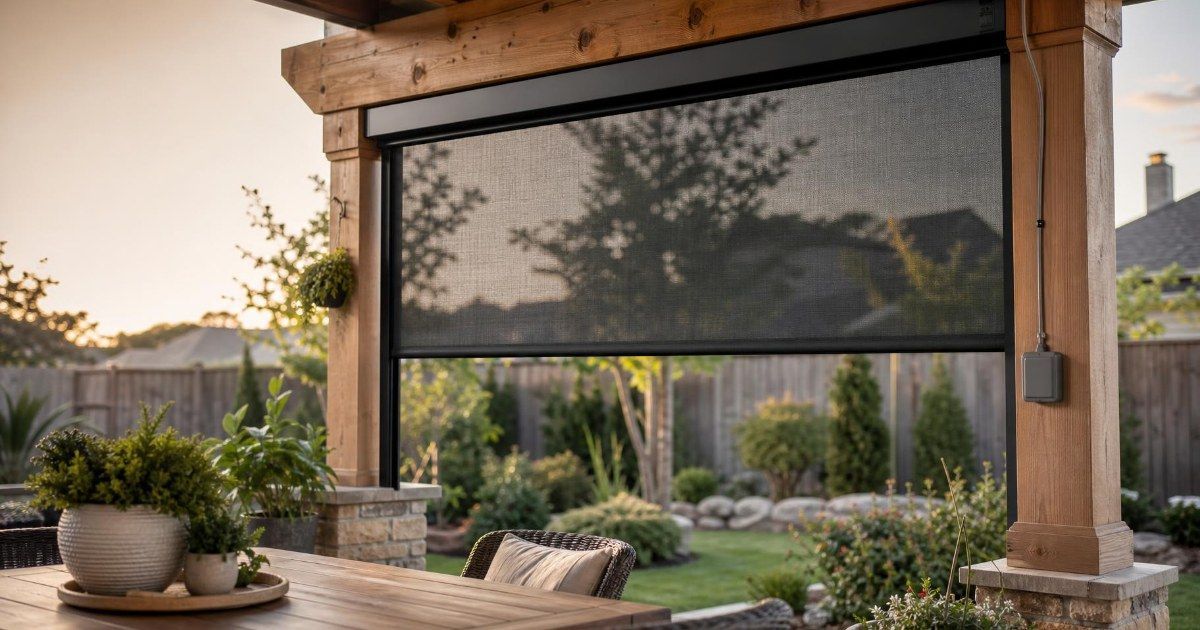
That may mean adding screens, side panels, or another shade solution designed for enclosure rather than just overhead cover. It also means adjusting expectations. If your goal is to keep a seating area dry during sideways rain, a standard retractable awning will not do that by itself. It creates shade and overhead shelter, not a sealed room.
Never Retract a Wet Awning and Leave It
This is the maintenance rule owners often learn the hard way. Sometimes you must retract a wet awning because weather is worsening, wind is building, or you are leaving the house. That is fine. The mistake is rolling it up wet and then leaving it that way.
Most modern awning fabric is made to resist mildew better than people assume. The mildew problem usually develops on surface soil, pollen, dust, leaf residue, and organic debris sitting on the fabric, not because the base material itself is inherently fragile. Moisture plus dirt plus time is the recipe. Roll those together into a dark tube and you have the perfect setup for odor, stains, mildew, and sometimes mold growth on the surface.
The correct sequence is simple. If weather conditions force you to retract while the awning is still damp, do it to protect the frame. Then, when the rain stops and conditions allow, extend the awning again and let it dry completely before rolling it back in for storage. If there is visible debris, rinse gently and clean according to the manufacturer's instructions. A soft brush can help remove surface buildup after the fabric dries, but aggressive scrubbing can damage coatings or distort the weave.
It helps to think of the rolled awning like a sleeping bag. If you stuff it away damp for long enough, the issue is not that fabric and moisture ever touched. The issue is that trapped moisture had nowhere to go. In humid climates, that trapped dampness can linger for days. In dry weather, it may evaporate quickly once reopened. Either way, do not make a habit of storing a wet awning longer than necessary.
Climate Conditions That Change the Answer
The retract decision is not identical everywhere. Two homeowners can own the same awning and get very different results because their climate changes how rain behaves, how fast fabric dries, and how often storms bring wind with them.
In humid climates, a damp awning stays damp longer after you retract it. That makes the drying routine a real part of ownership, not a footnote. Gulf Coast weather is a good example. Rain can arrive fast, the air can stay heavy, and a retracted damp roll may hold moisture far longer than owners expect. Mildew risk rises, and maintenance discipline matters more. If your area regularly feels sticky long after a storm passes, you should assume that reopening to dry is part of normal care.
In dry climates, the calculation shifts. Fabric often dries quickly once the sun returns, so moisture storage is less of a long-term issue. There, the bigger factors may be UV rays, heat, and dust. Sunny days become the main use case, and the awning spends more of its life protecting the patio from solar exposure rather than acting as occasional rain protection. The fabric still is not waterproof, but the maintenance burden after a brief shower may be lighter.
Coastal areas and open country create another change. Rain often arrives with wind, and that means proper slope alone does not keep the space underneath dry. Even if the awning can withstand light rain structurally, comfort underneath may be poor because the rain blows sideways. Homes near the coast should pay extra attention to storm patterns, gust exposure, and the limits of overhead-only shade. This discussion of high-wind shade systems for coastal durability is useful if your weather tends to combine rain and wind more often than not.
How do you figure out which situation describes your home? Start with three questions. First, after a storm, does outdoor furniture dry in an hour or stay damp until the next day? Second, does rain usually fall straight down or arrive with gusts? Third, is your patio tucked into a protected corner or exposed to open sky and open yard? Your answers tell you what changes. Slow drying means more mildew vigilance. Windy storms mean you retract earlier. Exposed layouts mean you should expect less rain protection underneath, even if the awning itself is well installed.
Frequently Asked Questions
These are the short answers most people want after they have read the details.
Can a retractable awning be left open in the rain?
Yes, in light rain it can usually stay open if it has proper pitch and there is little wind. No, it should not be left out in heavy rain, prolonged rain, or any storm where water pools or wind starts pushing the fabric around. If you cannot monitor conditions, retract it.
Are retractable awnings waterproof?
No. Retractable awnings are better described as water resistant or water shedding, depending on the fabric and design. Some materials resist water very well, but the system is still not a roof. The limiting factor is usually drainage and pooling, not whether the fabric can get wet.
Can I use an electric awning in the rain?
Yes, an electric awning can be used in light rain under the same rules as any other retractable awning. The motor does not make it more rainproof. What it does do is let you retract quickly when weather turns, which is useful when a passing shower becomes a storm.
Do awnings keep rain out?
They can keep a patio drier during calm, light rain that falls mostly downward. They do not fully keep rain out when wind drives moisture in from the sides or underneath. If your goal is full rain protection in changing weather, overhead cover alone will not create a sealed outdoor room.
Will rain damage a retractable awning?
Light rain by itself usually does not damage a quality awning. The real risk is heavy rain, sagging, pooling, and wind loading. That is what can stretch fabric, stress arms, loosen mounting points, and cause frame damage. Retracting at the right time is what protects the system.
If you are in the Houston metro and want a setup built for Gulf Coast weather,
Houston retractable awning and shade solutions should be designed around humidity, sudden storms, and exposed patio conditions. The right fabric, pitch, and installation make the difference between an awning that handles a passing shower and one that gets treated like a roof until it fails.