How to Choose the Right Shade Solution for Your Climate and Lifestyle
The right shade solution can completely transform your outdoor space, turning a blazing hot patio into a cool, inviting retreat or making a commercial area perfect for outdoor events. It’s not just about picking any shade structure—it’s about finding the perfect match for your regional climate, the changing sun angles throughout the year, and your unique lifestyle. Whether you want to beat the summer heat or enjoy the winter sun, the right shade can make all the difference.
From cozy backyard spots to bustling commercial spaces, choosing the right shade solution means creating comfort and style that lasts year-round. Let’s explore how to find the shade that fits your needs and keeps your space cool and enjoyable.
Assessing Your Regional Climate and Sun Path
Start by considering your regional climate and how the sun moves, or sun path, across the sky in different seasons. In hot climates and arid regions, the intensity of direct sunlight and summer sun can dramatically increase solar heat gain and affect air quality. Thus, in colder climates, you might not want to include shading in the winter, as winter sun can be a positive contributor to heating and energy conservation.
There’s a clear contrast between urban and rural locations regarding heat management and outdoor shade options, as urban areas often face higher temperatures and different environmental challenges compared to rural or suburban settings.
To select the right shade solution for your outdoor area, answer these questions:
- Is your area exposed to full sun throughout the day?
- Are you concerned with reducing heat gain and maintaining cool air during the hottest days?
- Do you want to maximize energy efficiency by controlling heat entering your home or commercial space?
- Is your goal to provide shade for outdoor dining spaces, outdoor seating areas, or parking lots?
Identifying your needs based on your climate and the sun’s trajectory helps provide adequate protection and comfort year-round.
Quick-Reference Table: Shade Needs by Climate
- Hot/Arid: Minimize solar heat gain, use light fabrics, and improve air flow
- Humid/Tropical:
Prevent mold, use UV protection, and ventilate to maintain air quality
- Windy:
Secure shade structures, consider professional installation for safety
- Cooler/Mild:
Provide shelter but allow filtered sunlight in winter
- Wet/Rainy: Waterproof fabrics, sloped structures for little maintenance
Modern Shade Structures and Their Benefits
Pergolas
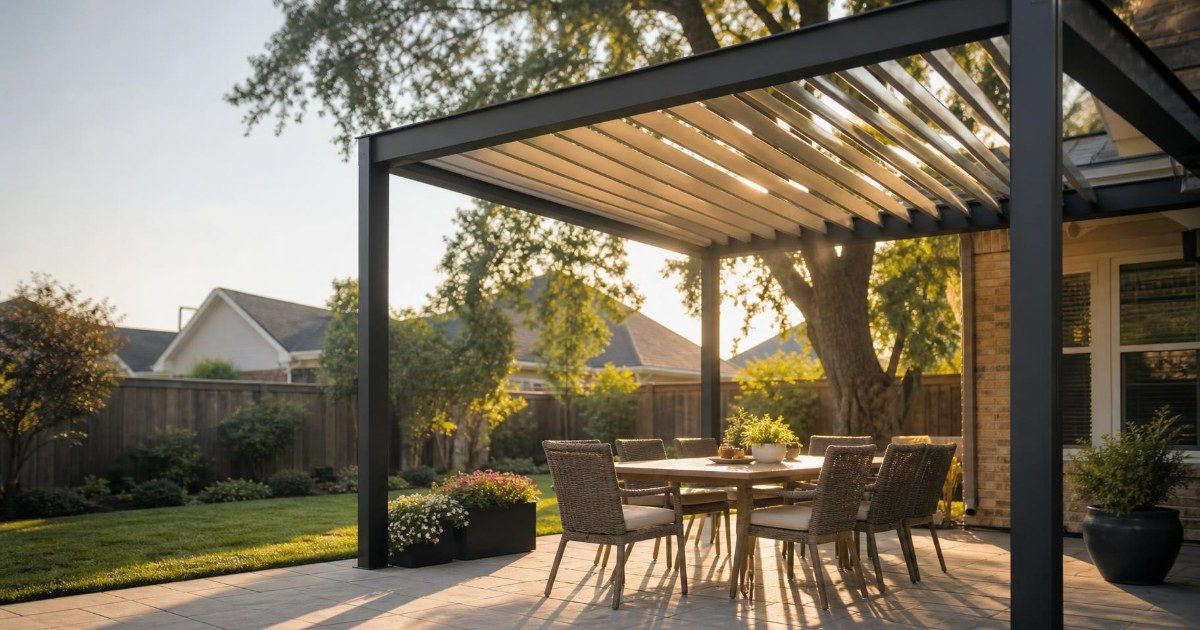
Pergolas are classic structures that provide both shade and visual appeal to patios, backyards, and commercial spaces. With the option to add deciduous vines for natural shade, pergolas are a year-round solution—allowing winter sun to filter through, while blocking the harsh summer sun. This makes them one of the best shades for hot climates that also caters to changing seasons.
Shade Sails
A shade sail is a modern, flexible solution perfect for covering odd-shaped or large outdoor spaces. Made of durable fabric that can block UV rays and resist weather, shade sails are ideal for outdoor seating or gathering areas in homes, restaurants, and outdoor events. Their open design helps maintain cool air flow and can be installed to match changing sun angles.
Retractable Awnings and Canopies
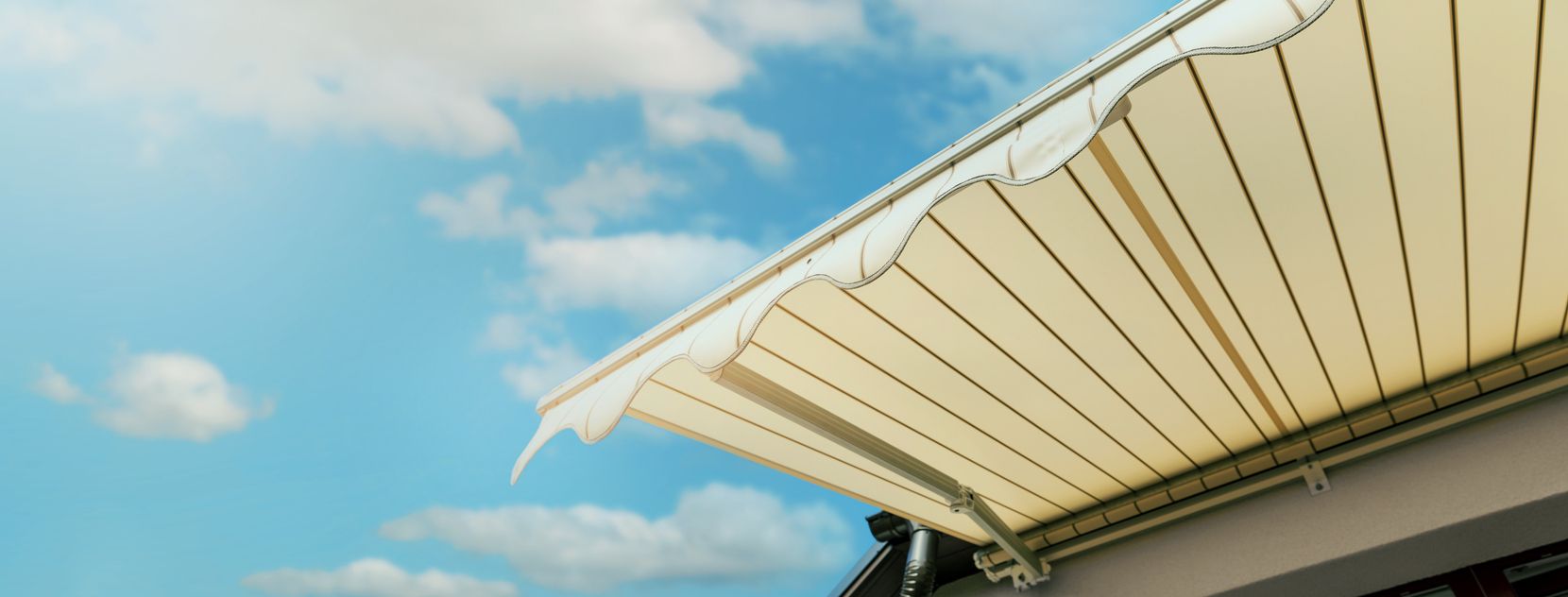
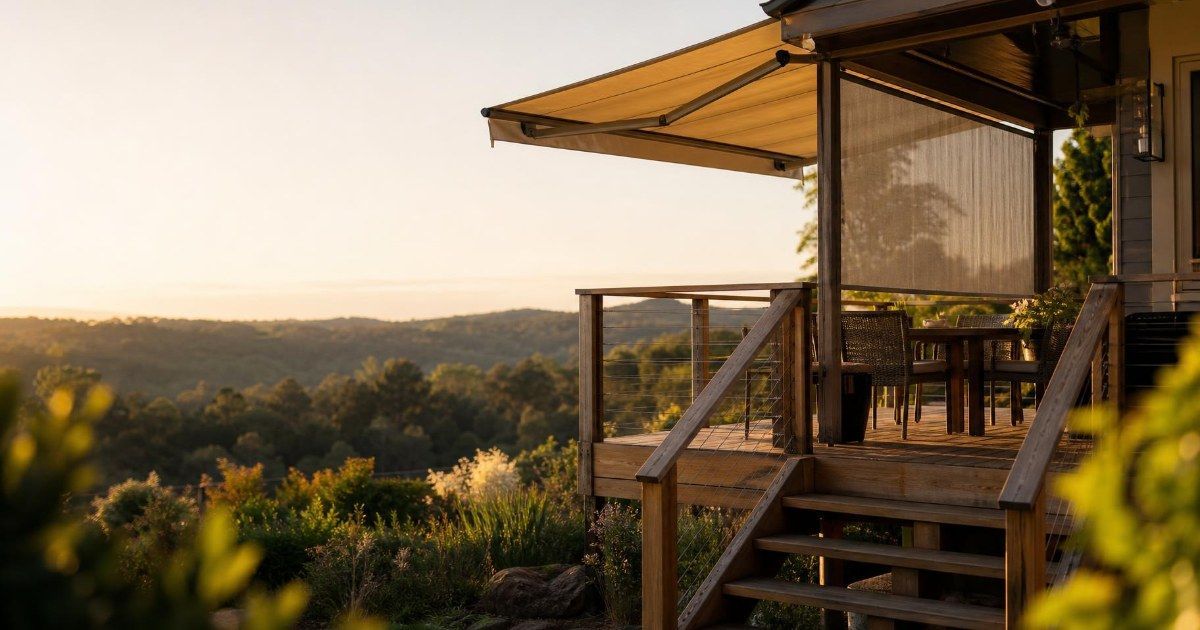
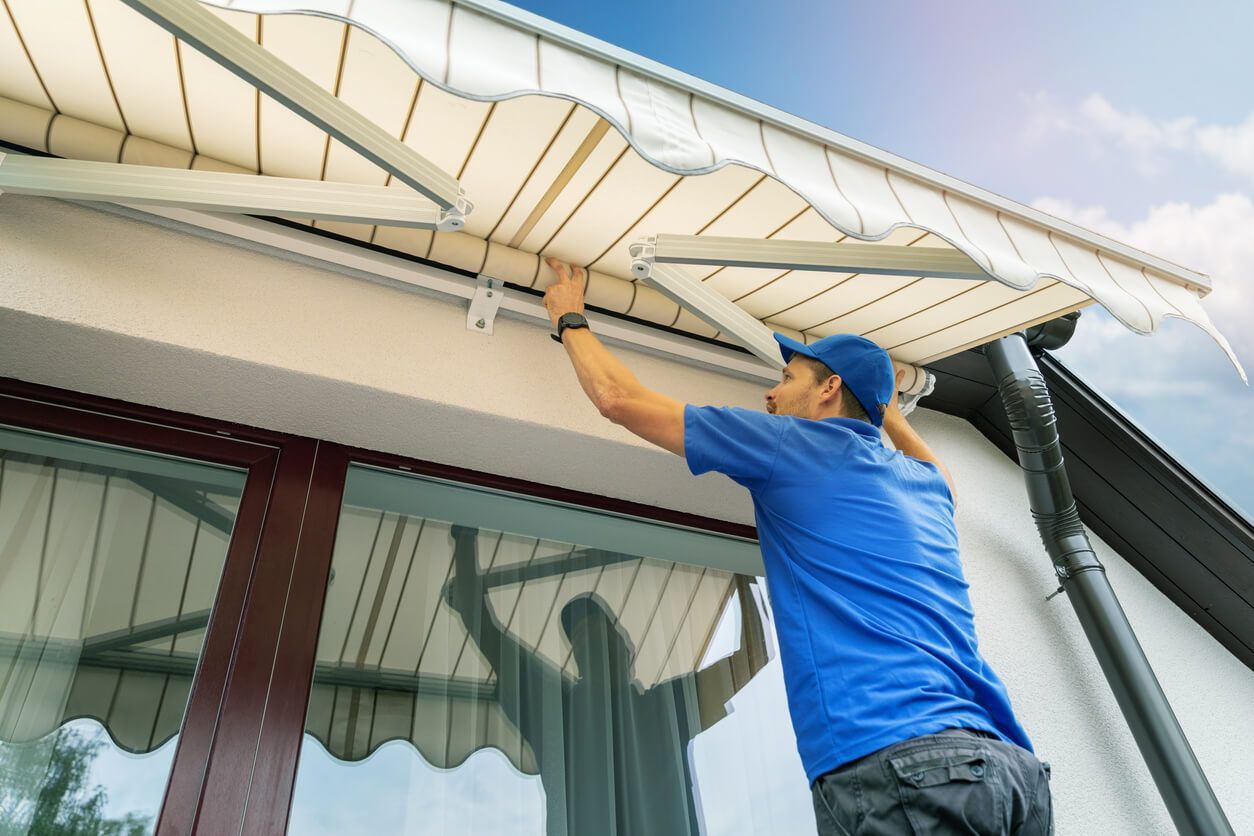
For those who need flexibility, retractable awnings and canopies offer adjustable sun protection, making them a smart choice for both homes and businesses. These outdoor shade options allow you to adapt to the weather and changing sun angles. Choose this solution for dynamic, lifestyle-based shading that meets your needs, day to day.
Umbrellas and Adjustable Shade Options
Movable umbrellas and adjustable canopies are perfect for creating shade wherever needed, providing versatile solutions for outdoor seating areas, poolside, or smaller patios. Choose umbrellas with UV protection to safely block UV rays and provide shade for areas with regular sun exposure.
Permanent Structures: Gazebos, Pavilions, and Parking Lot Covers
Gazebos and pavilions provide solid, all-weather shelter for outdoor events or gatherings. In commercial settings, shade structures for parking lots can drastically reduce heat gain inside vehicles and protect customers from direct sunlight.
Natural Shade Solutions
Deciduous trees and tall shrubs are a low-maintenance way to address regional shading needs and improve outdoor comfort. While they take time to establish, these living shade options require little maintenance and naturally adapt to changing sun angles.
Choosing the Right Shade Solution
Fixed vs. Adjustable Shade Structures
Fixed shade structures like pergolas, gazebos, and pavilions offer permanent protection from the sun and are ideal for creating consistent shade throughout the year. Adjustable options such as retractable awnings and canopies provide flexibility, allowing you to control sun exposure based on daily or seasonal needs. Choosing between fixed and adjustable depends on your lifestyle, how often you want to change your shading, and the level of maintenance you are willing to undertake.
Material Considerations for Durability and Heat Control
The fabric and materials used in your shade structure significantly affect its durability and ability to reduce heat gain. Light-colored fabrics reflect more sunlight and help keep areas cooler, while dark colors absorb heat but may reduce glare, making them suitable for cooler climates or special visual preferences. Choose materials that provide UV protection and resist weather to help your shade solution last and perform well in your specific climate.
Location and Sun Path Impact on Shade Design
Understanding your outdoor space’s sun path is crucial for effective shading, as the sun’s angle changes throughout the day and year. North-facing areas benefit from horizontal shading devices that block high summer sun but allow winter sun to warm the space. East- and west-facing spaces require vertical or adjustable shading to combat low-angle morning and afternoon sun, which can be more challenging to block.
Combining Natural and Built Shade Solutions
Incorporating natural elements like deciduous trees or vines with built shade structures can enhance cooling and air quality while providing seasonal adaptability. Trees offer low-maintenance, energy-efficient shade that filters sunlight and improves the outdoor ambiance. Combining natural and structural shading can create a balanced environment that maximizes comfort and visual appeal.
Budget and Maintenance Factors
Budget considerations often influence the choice of shade structures, with fixed installations generally requiring a higher upfront cost but less frequent maintenance. Adjustable solutions may have more moving parts and require occasional upkeep, but offer greater flexibility in sun control. Assessing your willingness to invest in maintenance and your budget constraints will help you select a shade solution that fits your needs in the long term.
Beat the Heat: Call Shade Doctor for Expert Shade Solutions
Choosing the right shade solution isn’t a one-size-fits-all decision. Your regional climate, the way you use your space, the sun angles, and your comfort preferences all play a role. Take time to compare various options, including pergolas, retractable canopies, shade sails, and natural landscaping.
Ready to transform your outdoor space with the perfect shade solution? At Shade Doctor, our knowledgeable team will help you select the ideal shade structure to match your climate, lifestyle, and aesthetic preferences. We use high-quality materials, innovative solutions, and focus on our customers to deliver lasting comfort and satisfaction.
Don’t let the sun dictate how you enjoy your outdoors—contact us today to schedule a personalized consultation and create your ideal shaded retreat!