Can Motorized Patio Shades Help With Bugs?
Motorized shades for patio spaces are a game-changer for anyone looking to enjoy their outdoor living area without the nuisance of bugs. When designed with sealed sides and a fine insect screen, these shades offer powerful protection against mosquitoes and gnats. Unlike standard sun-control shades that leave gaps, the right system keeps pests out while also providing sun protection, cooling, and privacy.
Imagine relaxing on your patio, free from glare and bugs, thanks to a smooth-operating, custom-fit shade. It’s the perfect way to enhance your outdoor living space with comfort and style.
How Motorized Patio Shades Reduce Insects and Enhance Comfort?
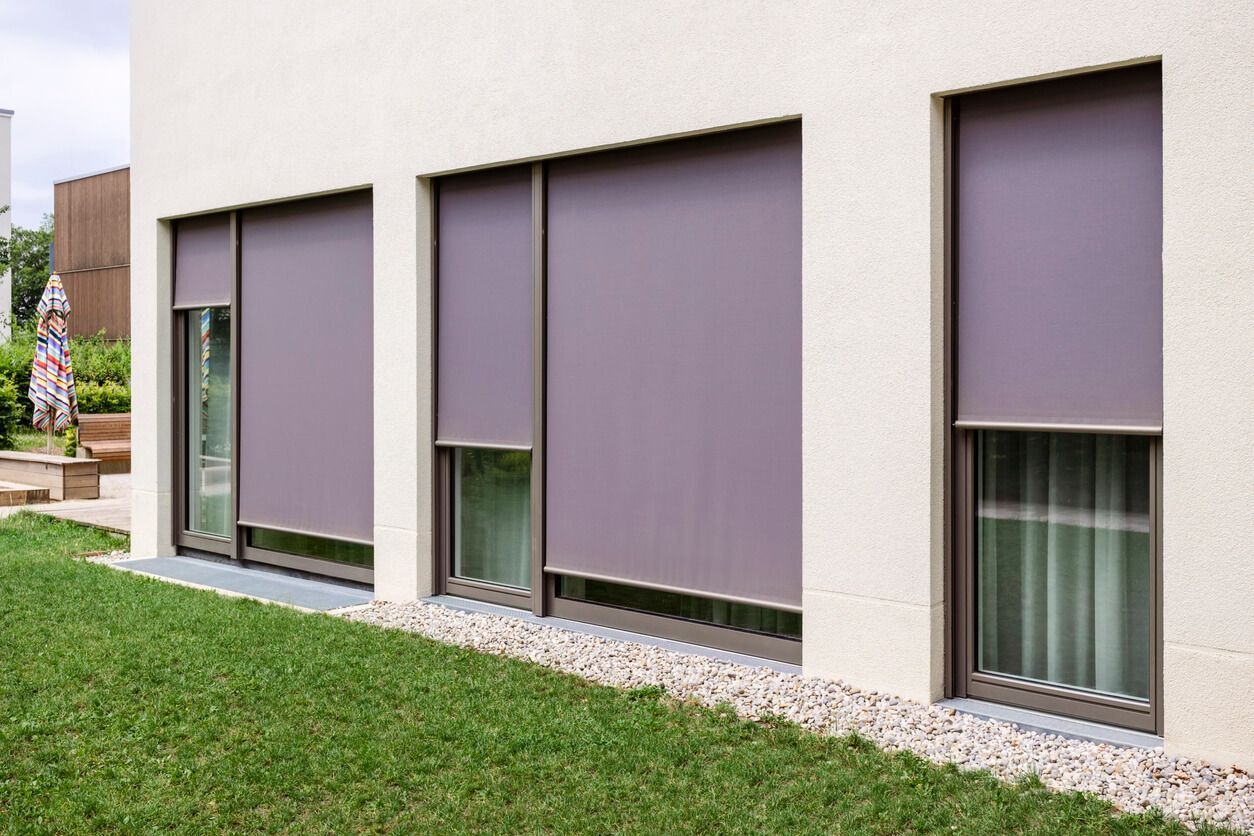
Motorized shades are exterior roller shades that raise and lower by remote control or an app. On a patio, porch, deck, balcony, or pergola, they add protection from sun, wind, and light rain while limiting bugs. For insect control, construction details matter more than the motor.
Key Features of Motorized Patio Shades for Bug Control
- Side-Channel or Zip-Track Design. The edges of these motorized outdoor patio shades ride in rigid tracks, limiting the side gaps that bugs exploit.
- Bottom Bar Seal. A weighted hem bar (bottom bar) meets a flat sill with a brush, gasket, or sweep to reduce bottom gaps.
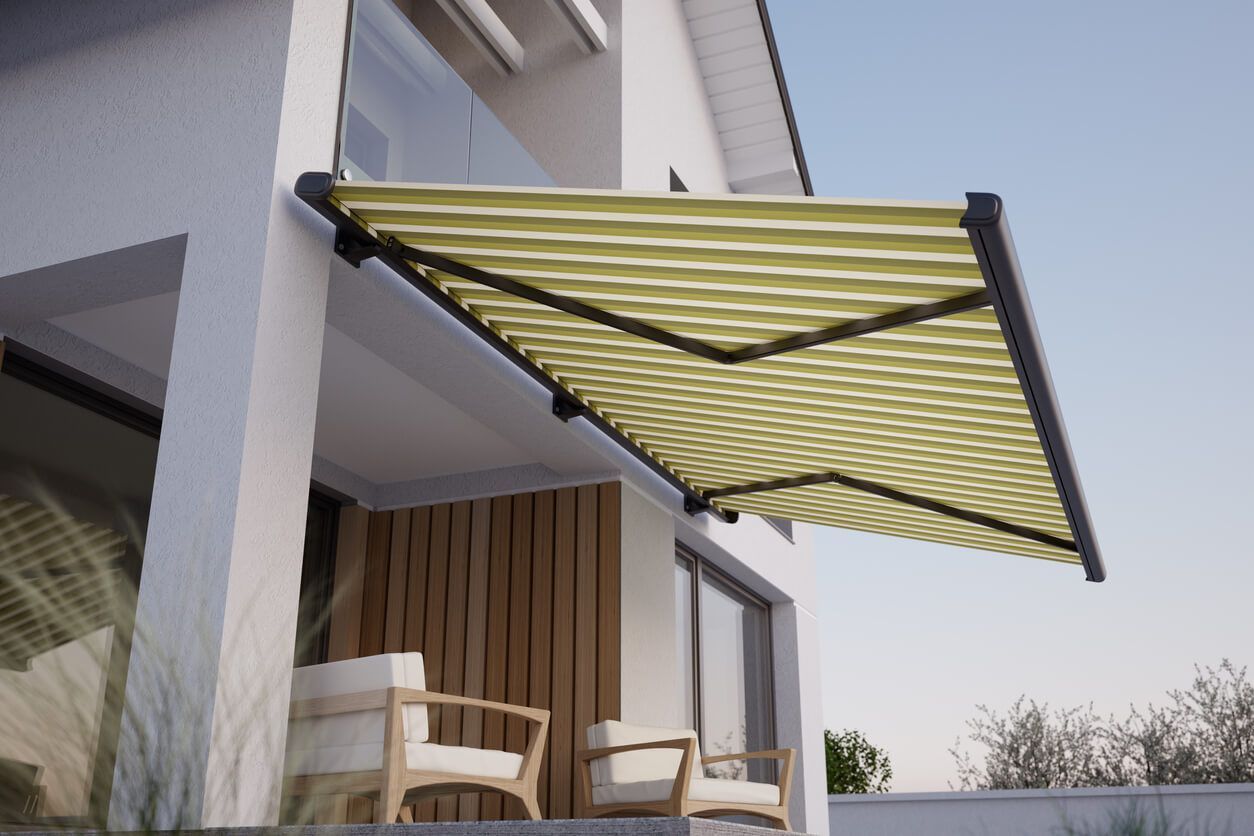
- Enclosed Headbox vs Motorized Exposed Roll. A cassette or headbox encloses the roll at the top for better sealing and weather protection. A motorized exposed roll can work for sun and glare, but is less effective at blocking bugs because the top is open when the screen is fully retracted.
- Precise Sizing. Custom solutions measured to your existing frame help create a perfect fit. Out-of-square openings can cause light gaps that reduce performance.
Fabric, Style, and Color Options
Choosing the right screen fabric balances bug control, airflow, view, and style.
- Insect-Grade Screen. Better at blocking tiny pests. Expect some trade-off in airflow and clarity versus standard solar fabrics.
- Solar Screen Fabrics (About 5–10% Openness). Excellent for light and heat control and daytime privacy, with better airflow; they may not stop no-see-ums as reliably.
- Clear Vinyl Panels. Useful seasonally for wind and rain protection; these can trap heat and condensation, so ventilation helps.
- Colors and Finishes. Neutrals like beige and charcoal reduce reflections and keep views more natural. Coordinate hardware and screen color with doors, windows, and surrounding materials for a cohesive look.
Power and Control Options (Including Solar Power)
Your patio motorized shades can be tailored to your space and daily routines:
- Hardwired, Plug-In, or Battery Motors. Battery motors offer flexible installation and run many cycles on a full charge. Some systems support a solar panel trickle charger for battery power, useful where wiring is difficult.
- Remote Control. Choose a single channel remote to operate one opening, or multi-channel/group remotes for several shades. Many remotes include a favorite position button for quick recall.
- Smart Home and Voice. App control and voice assistants provide hands-free control. Integration with Google Home lets you operate shades, set scenes, and automate schedules.
- Sensors and Scenes. Add wind, light, and timer controls—close at sunset to deter bugs, open in the morning for views, and auto-retract in high wind to protect the screen and hardware.
Wind, Weather, and Performance
Outdoor screens live in the elements, so pay attention to weather performance.
- Wind. Many side-channel systems publish wind guidance (often about 25–45 mph when closed, depending on size, fabric, and installation). Wider spans generally tolerate less wind. In exposed sites, opt for wind sensors and follow size limits.
- Rain. Outdoor shades shed light rain but are not a watertight enclosure. Flashing or gutters above the opening help manage runoff.
- Sun and Heat. Exterior shading reduces heat and glare before they reach the glass, improving comfort near large doors and windows.
- Durability. Seek corrosion-resistant hardware and outdoor-rated fabrics to keep outdoor patio shades for insects looking and working great in all seasons.
Mounting, Installation, and Fit
Good installation is crucial for bug reduction and smooth operation.
- Mounting Locations. Patios, porches, decks, pergolas (including free-standing pergolas), balconies, and covered outdoor living areas. Screens can also be mounted over large doors or windows facing the backyard.
- Existing Frame. Many systems mount to an existing frame or structure. Reinforce surfaces as needed to keep tracks plumb and level.
- Surface-Mount vs Recessed. Surface mounting is flexible and faster to install. Recessed installs hide hardware for a cleaner look but require framing depth and planning.
- Cable-Guided Alternatives. Cable-guided roller shades help manage sway on breezier sites but leave side gaps; use them for sun and glare control rather than bug control.
- Custom and Customize. Expect field measurement and fabrication for a custom, perfect fit. You can customize fabrics, colors, valance styles, and control options to match your style and spaces.
Lighting and Landscaping Tips That Attract Fewer Bugs
- Use warmer color-temperature lighting (around 2700–3000K). Blue/UV-heavy light attracts more insects.
- Keep bright lights away from seating areas; use shielded fixtures to minimize glare.
- Maintain landscaping to reduce harborage; remove standing water.
Note: Smoke and grease from grills can deposit on fabric over time; position cooking areas to limit residue on the screen.
Where Motorized Patio Shades Work Best
Motorized patio shades are versatile and can be effectively used in a variety of outdoor and semi-outdoor settings to enhance comfort and protection. Here are some of the best places to install these shades for optimal benefits:
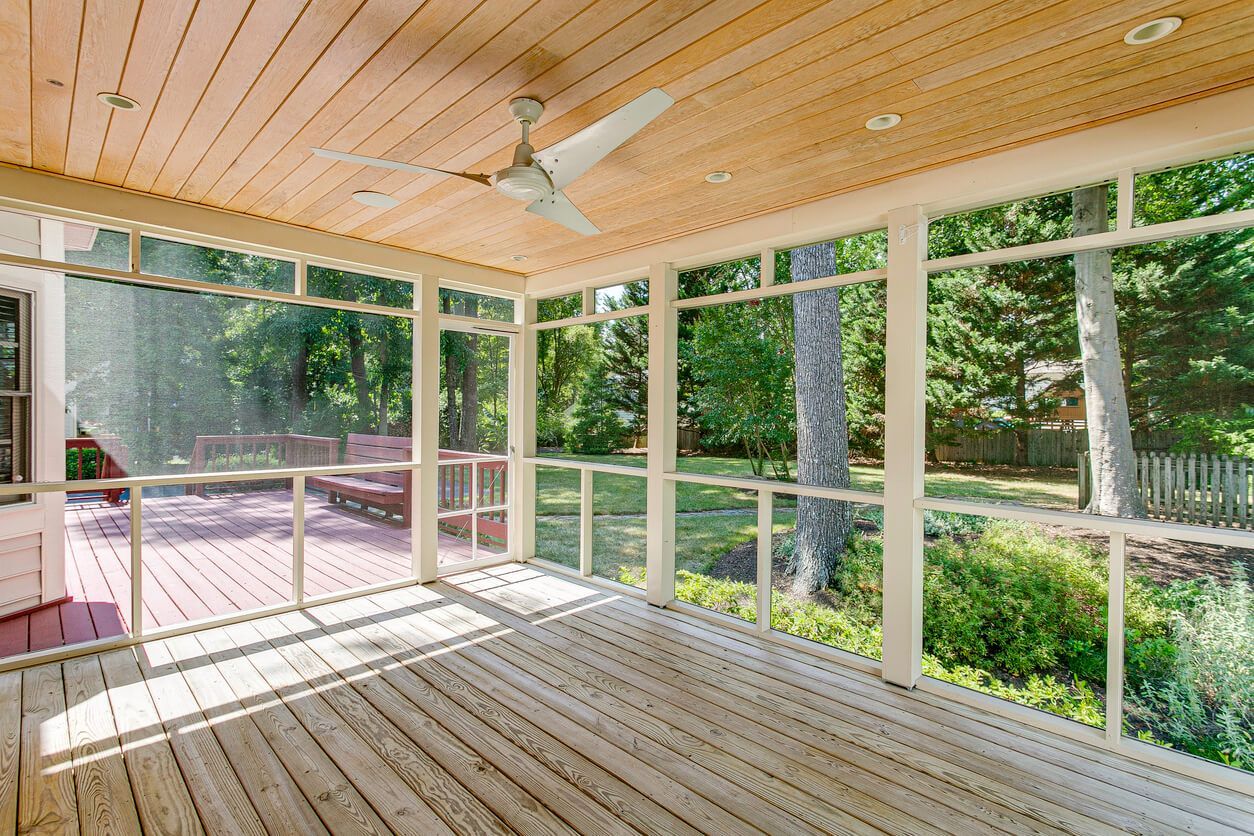
- Covered Patios and Porches. These shades create a flexible, screened-in feel without the need for permanent walls, allowing you to enjoy the outdoors while staying protected. They help block harmful UV rays and reduce glare, making your outdoor space more comfortable throughout the day.
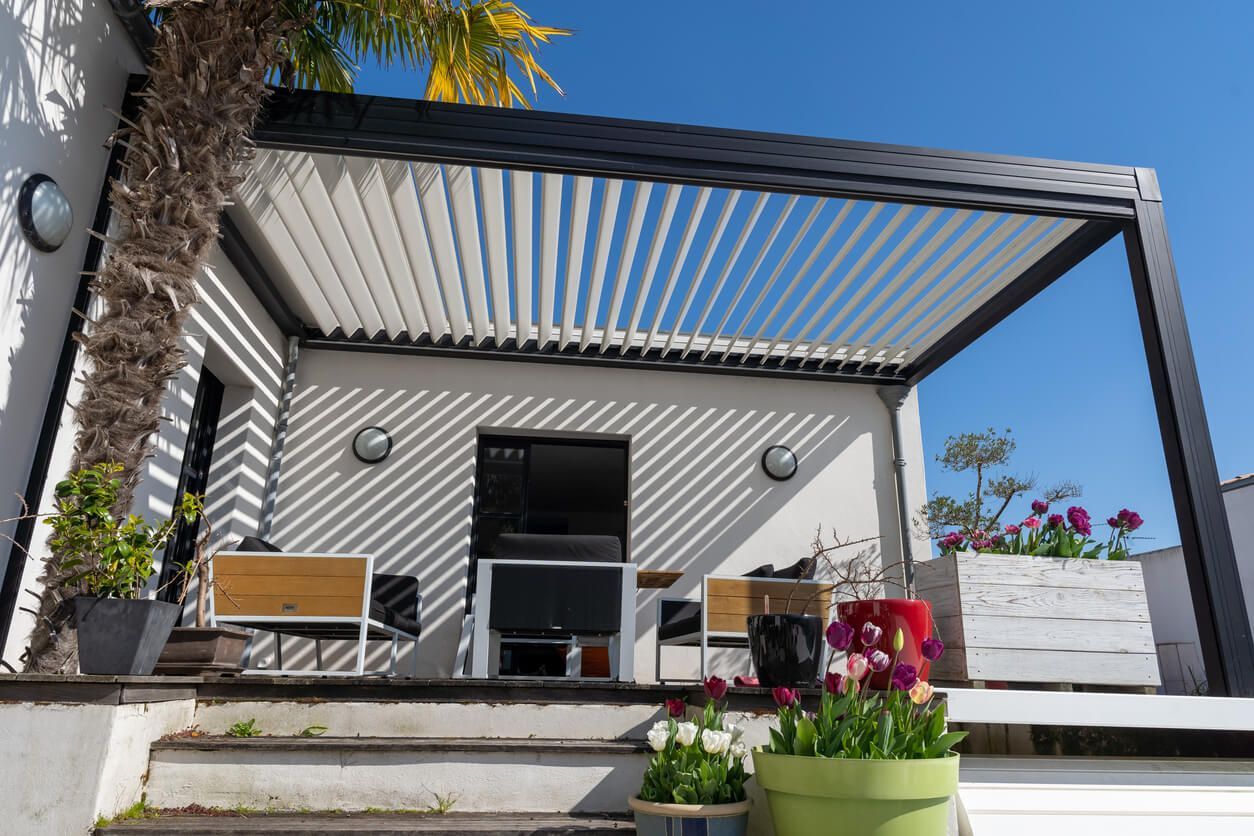
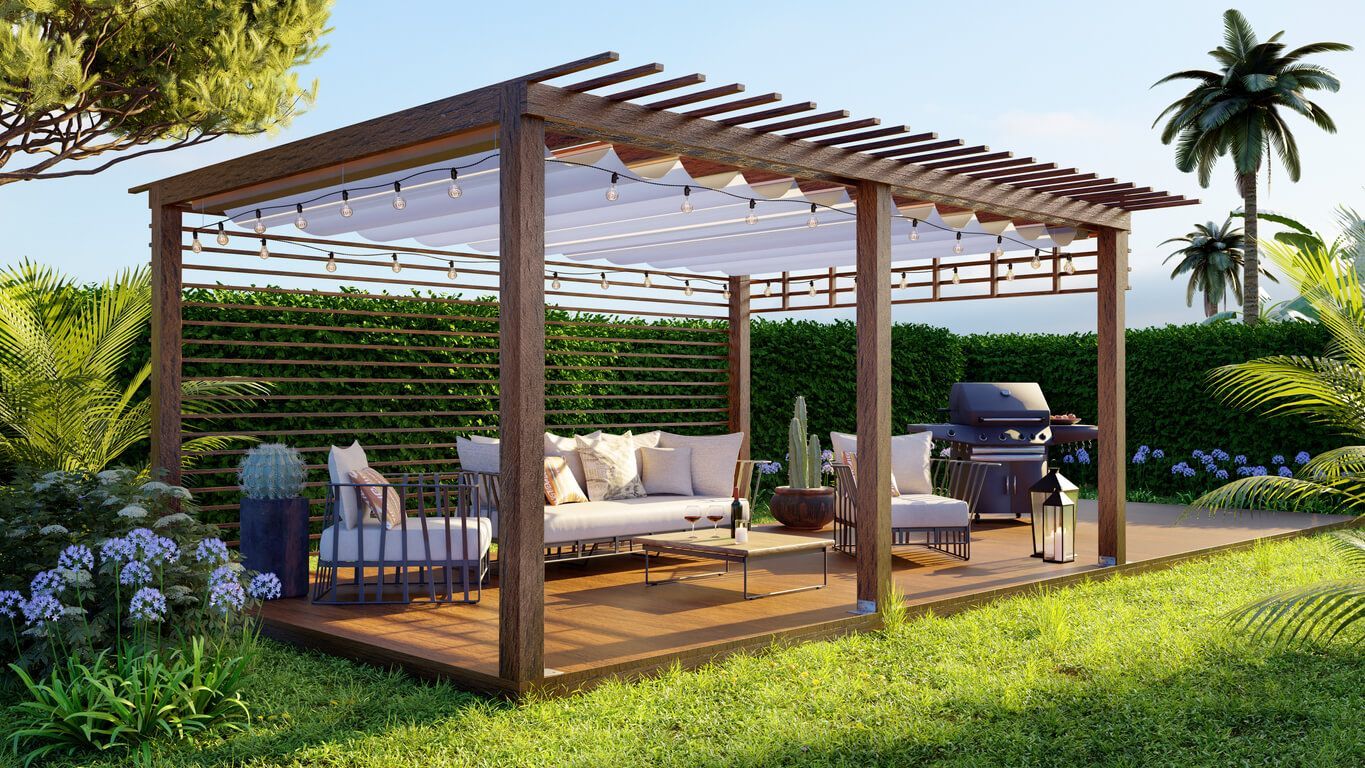
- Pergolas and Decks. Adding motorized shades to pergolas and decks provides edge protection from sun, wind, and insects while maintaining an open-air vibe. This setup enhances your outdoor living space, making it more usable in varying weather conditions.
- Balconies. Motorized shades offer privacy and sun protection in tight balcony spaces, creating a cozy retreat even in urban settings. They also help reduce excessive heat and glare, improving your ability to relax comfortably outdoors.
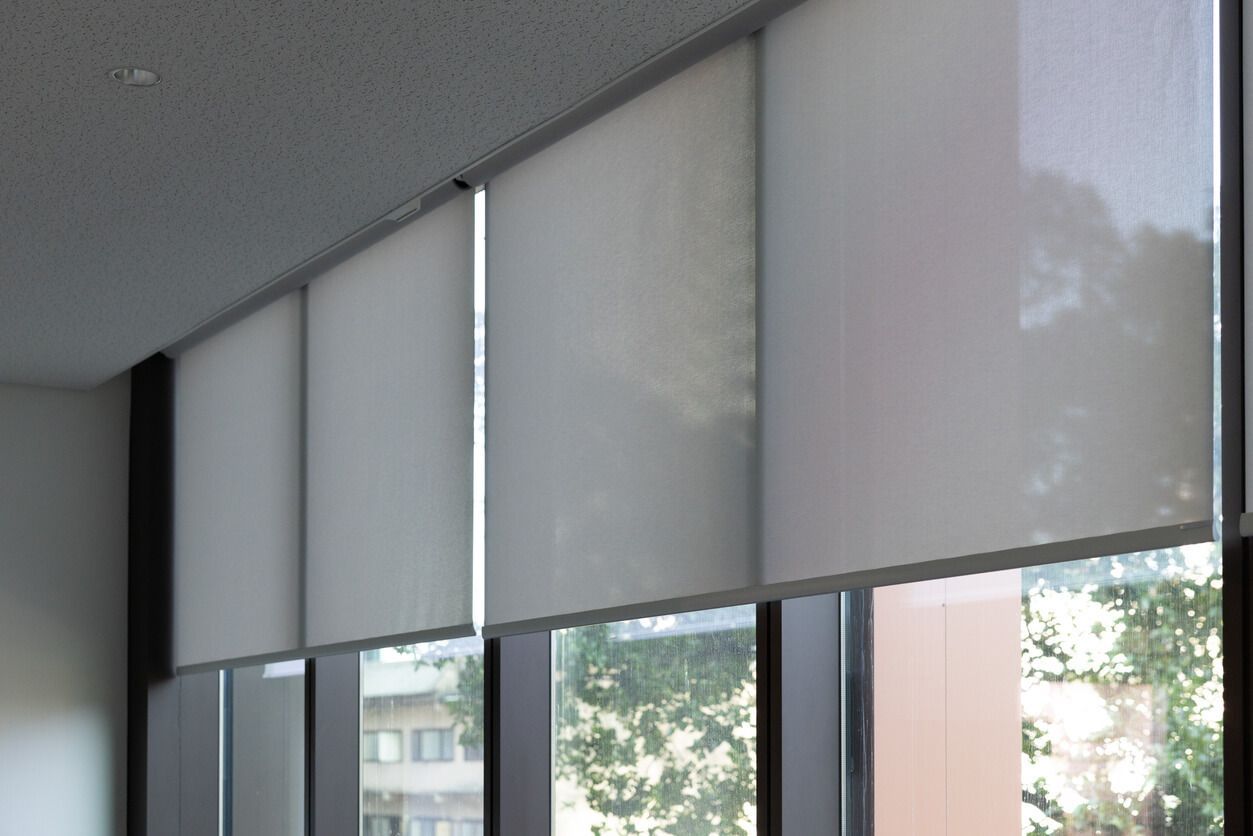
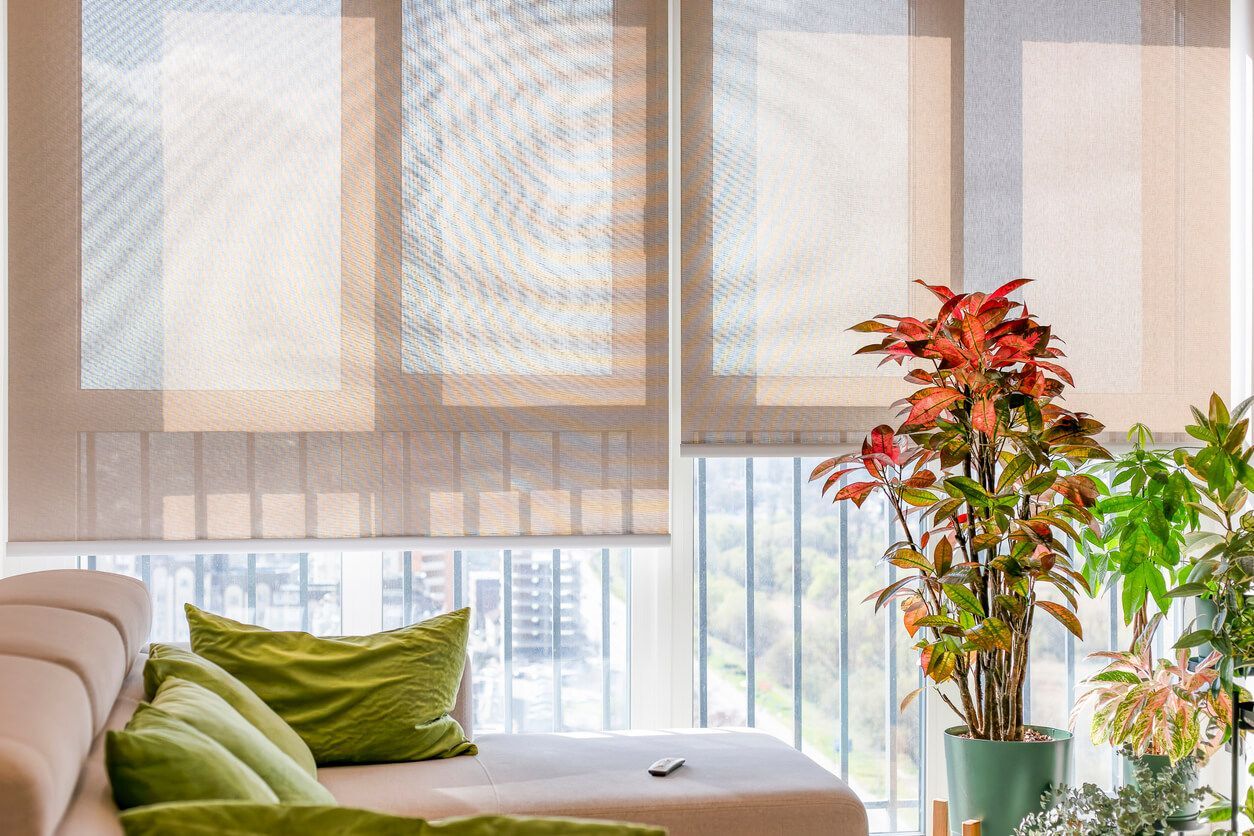
- Doors and Large Window Walls. Installing shades over doors and expansive window walls reduces indoor glare and heat, helping to keep your interior cooler. Additionally, they limit nighttime insect entry, providing a seamless transition between indoor and outdoor living.
- Indoor-Outdoor Transitions. These shades improve comfort at thresholds by controlling the sun and bugs without the need for interior blinds designed for exterior problems. This allows you to maintain a perfect fit and smooth operation while enhancing your outdoor living experience.
Experience the Outdoors Without Compromise: Contact Shade Doctor Now!
Motorized patio shades can substantially reduce insects and improve comfort when you combine sealed side channels, a reliable bottom bar seal, and fine no-see-um fabric. Pair the right screen with appropriate power and control options, confirm wind and weather guidance for your site, and install to tight tolerances. The result is better protection from sun, heat, glare, wind, and light rain—while you enjoy more time in your outdoor living areas.
Ready to upgrade your outdoor living space and say goodbye to pesky bugs? Trust the experts at Shade Doctor for custom motorized patio shades designed for superior comfort and protection. As industry leaders, Shade Doctor combines precise measurement, quality materials, and seamless smart home integration for a perfect fit every time.
Enhance your home’s comfort, value, and style—schedule your consultation with us today and transform your patio into a true outdoor retreat!