Is a Pergola a Permanent Structure in Texas? What It Means for Permits
Is a pergola considered a permanent structure? In Texas, the label depends on how the pergola is built and where it stands, and that label decides which permits, approvals and disclosures come with it. Most homeowners ask before they buy, which is the best time, because the answer can shape the size and layout you choose. This post uses Houston's rules as the working example and turns the legal question into numbers you can plan around.
Attached, Detached, or Bolted Down: What "Permanent" Actually Turns On
"Permanent" is not a single legal test. Cities weigh several factors at once, and the first is whether the structure attaches to the house. A pergola tied into the roofline or wall framing is treated as part of the home, while a detached one is treated as an accessory structure with its own rules.
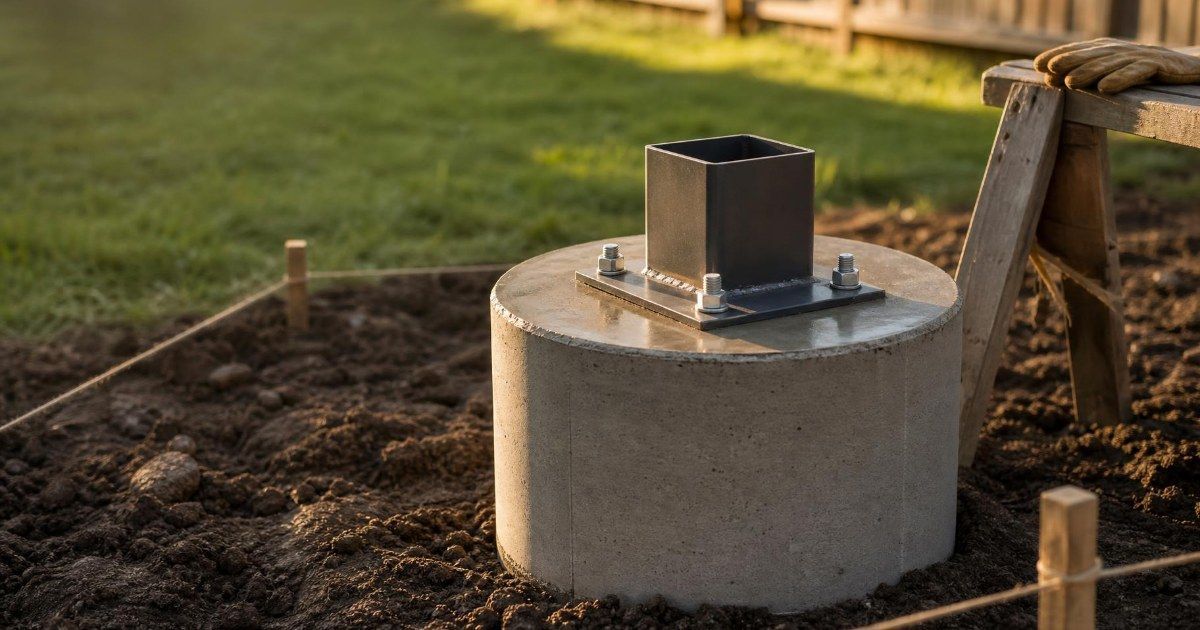
The second factor is the foundation. A pergola set on a poured slab or concrete footings reads as permanent, and one resting on a movable base reads differently. The third factor is utilities. Lighting, outlets or a motor bring electrical work into the picture, and electrical work carries its own permit.
Texas has no statewide residential building code, so permit rules are set city by city. That is why the same pergola can face one set of requirements in Houston and another a few miles away in a neighboring suburb. Whether a pergola is a permanent structure has a local answer, and the city's permit rules supply it.
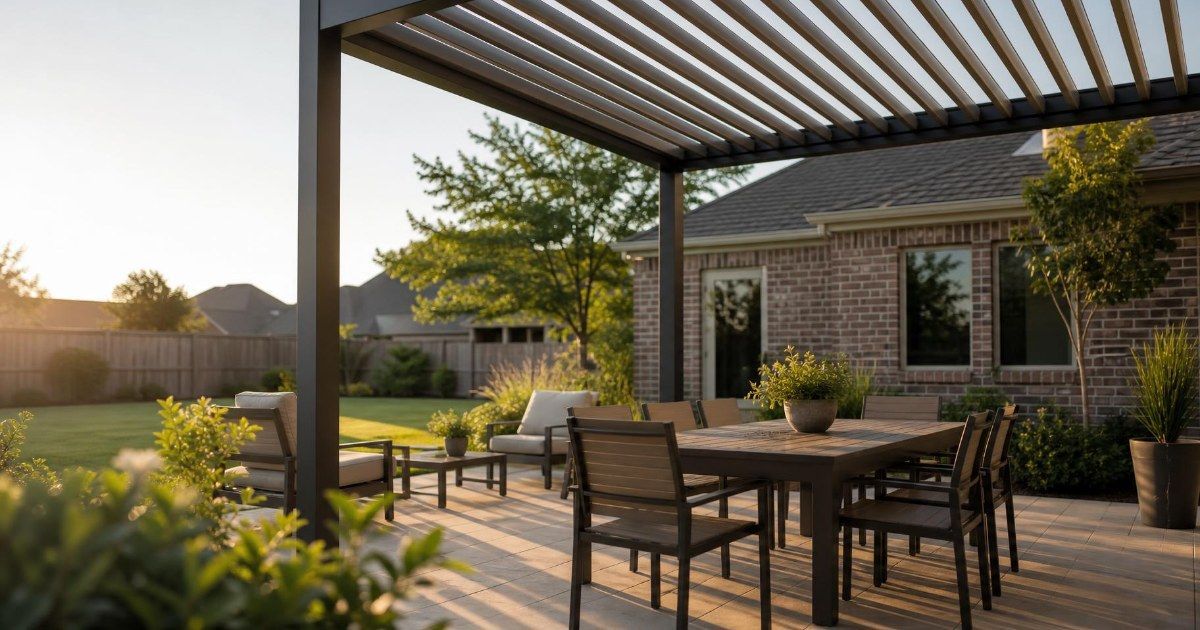
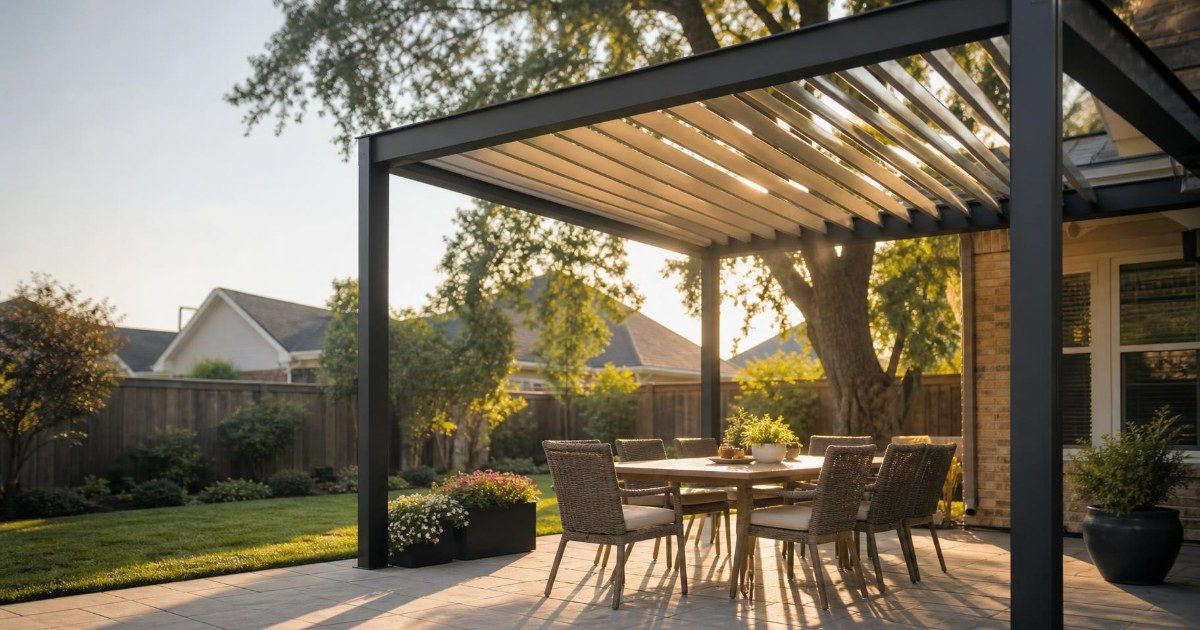
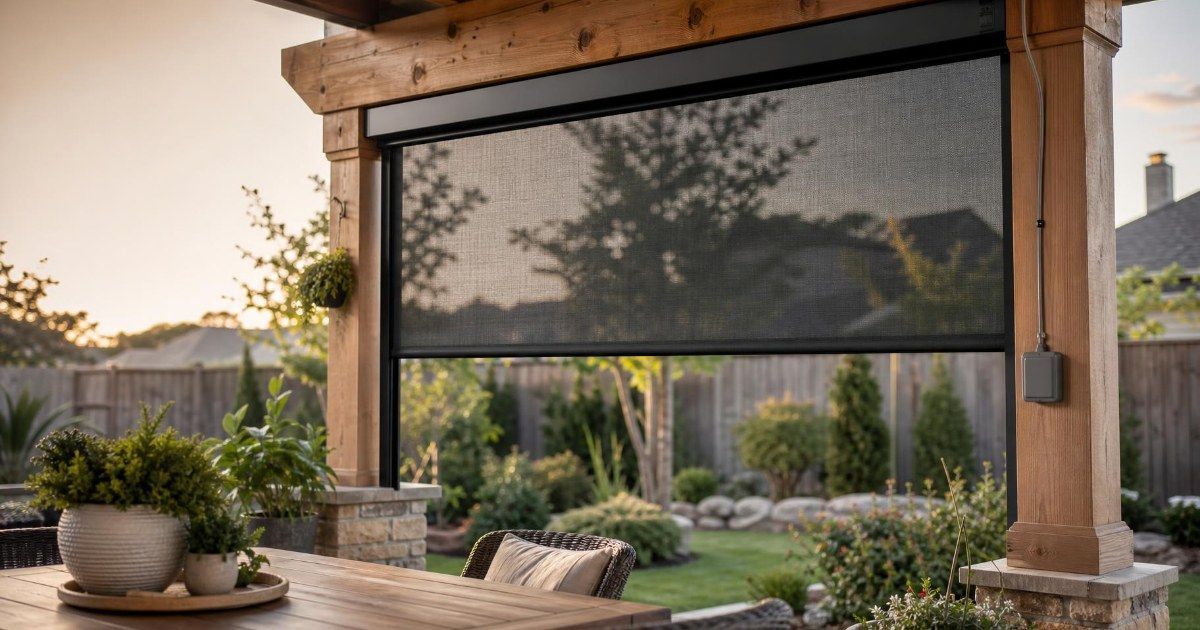
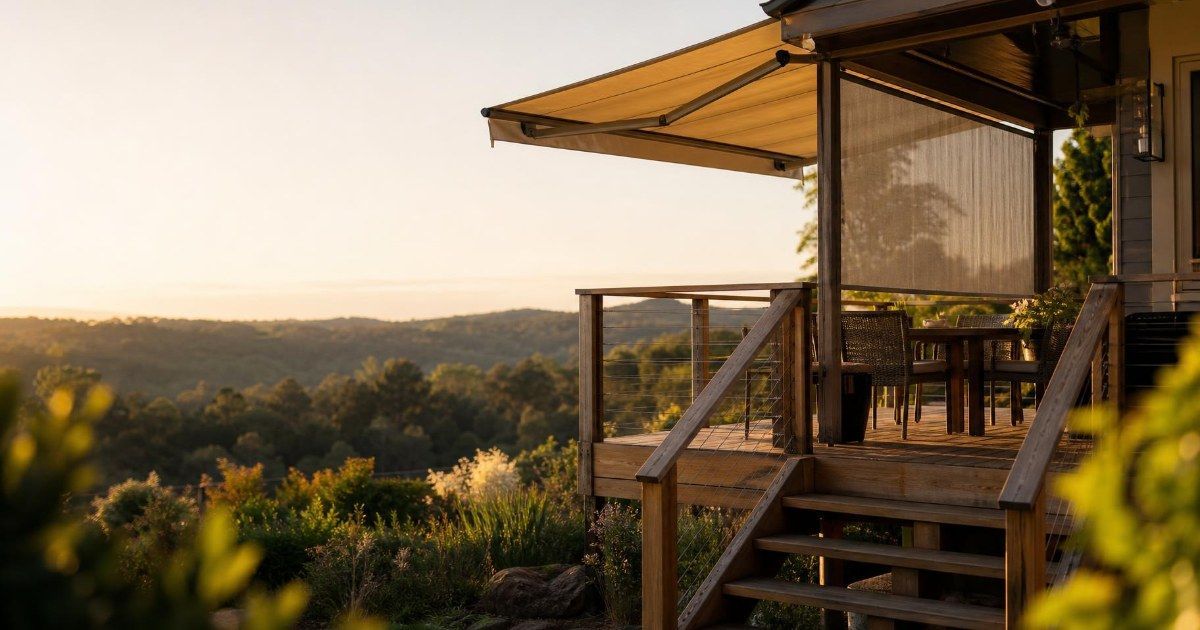
Shade Doctor's modular pergolas are freestanding by design. They stand on their own in the yard, so the attached-versus-detached question starts on the detached side, which sets up the Houston rules below.
Houston's Actual Permit Rules for a Pergola
Houston publishes specific numbers, which makes it a good place to see how the pieces fit. Whether you need a permit for a pergola here depends on four rules that work as a set.
The first rule is the exemption. Houston exempts one-story detached accessory structures of 120 square feet or less from a building permit, and that line is the starting point for small detached structures.
The second rule is the roof trigger. Adding any roof or structural cover over a patio area is treated as a Residential Addition and needs a permit. A pergola permit of that kind starts with fees near $125 and a review of about 10 business days. That figure builds up from a $91.06 minimum permit fee, a $33.56 administrative fee and a 25% plan review fee.
The third rule covers impervious cover. On lots of 15,000 square feet or less, once concrete, pavers and roofing pass 65% of the lot, the city requires a stormwater detention review. A pergola adds roof area to a lot that already carries a patio and a driveway, so the percentage is worth checking before you order.
The fourth rule is electrical. Lighting or motorized louvers always need a separate electrical permit, whatever the size of the structure.
Which rule applies, the 120 square foot accessory-structure exemption or the any-roof patio-cover rule, depends on placement and on how the structure is used. The Houston Permitting Center makes the final call, so an exemption is a question to put to them before you build.
Why the "Open Roof" Myth Doesn't Hold Up in Houston
Many pergola guides say a lattice or louvered roof counts as open and skips permitting. Houston's patio-cover trigger asks a simpler question: is there a roof or structural cover over the patio? The spacing of the slats does not change the answer.
That matters for louvered pergolas. Louvers rotate closed to form shade or a watertight roof, so a louvered pergola behaves as a roof once the blades close. Any pergola permit conversation with the city starts from that fact.
Shade Doctor's modular pergola gives a concrete example. It ships in 10x10 sections of 100 square feet and 12x12 sections of 144 square feet, each with integrated gutter drainage. A single freestanding 10x10 section sits under the 120 square foot threshold. A 12x12 section crosses it, and so does combining modules for larger coverage. Know your footprint before you assume you are exempt.
The motorized pergola adds one more detail. It operates by remote, wall switch or smart-home integration, and that powered operation is the kind of electrical work that needs its own permit in Houston.
Since Houston Has No Zoning, Your HOA Is the Real Gatekeeper
Houston has no citywide zoning ordinance, so deed restrictions and HOA architectural review committees do the job zoning does in other cities. Size, placement, material and color limits usually come from the subdivision's recorded restrictions.
HOA approval and a city permit are separate processes. Each has its own application, its own drawings and its own timeline, and a pergola in a deed-restricted neighborhood needs both.
Committees usually look at height, footprint, setbacks, roof type and whether the pergola attaches to the house. Some declarations cover anything permanent in the yard, freestanding pergolas included, so the recorded documents are the first thing to read. A step-by-step guide to getting a pergola approved by an HOA walks through building the application and what to do after a denial.
What "Permanent" Means Beyond the Permit: Tax, Insurance, and Resale
The question of whether a pergola is considered a permanent structure reaches past the permit counter. Three consequences follow the label.
The first is property value. A structure treated as permanent can affect the property's appraised value, and the effect depends on the county appraisal district and on whether the structure attaches to the house. The Harris County Appraisal District sets those figures, so ask it directly about your pergola before you plan around any number. Your insurance carrier sets its own rules on unpermitted structures, so a call to your agent belongs on the same list.
The second is the cost of skipping a required permit. If Houston finds an unpermitted structure later, it can charge an investigation fee of $333.42 or double the standard permit fee, whichever is greater, on top of the regular fees.
The third is resale. Under Texas's Seller's Disclosure Notice requirements, sellers must disclose known unpermitted construction, and an unpermitted pergola can complicate or delay closing. Keeping the permit and HOA approval paperwork in your home file gives you a ready answer when that day comes.
Before You Build: Confirm, Then Choose Your Configuration
Before you finalize plans, confirm the footprint and placement with the Houston Permitting Center. Bring the dimensions, the distance to each property line and a note on whether the pergola will have lights or a motor, since those details decide which rules apply.
Homeowners choosing between a single 10x10 module and a larger multi-module layout are, in effect, choosing whether the pergola crosses the 120 square foot threshold. Shade Doctor installs shade systems throughout Greater Houston, and you can see the available sizes and configurations of the modular pergolas before you settle on a footprint. When you are ready to talk through a layout, you can schedule a consultation.